

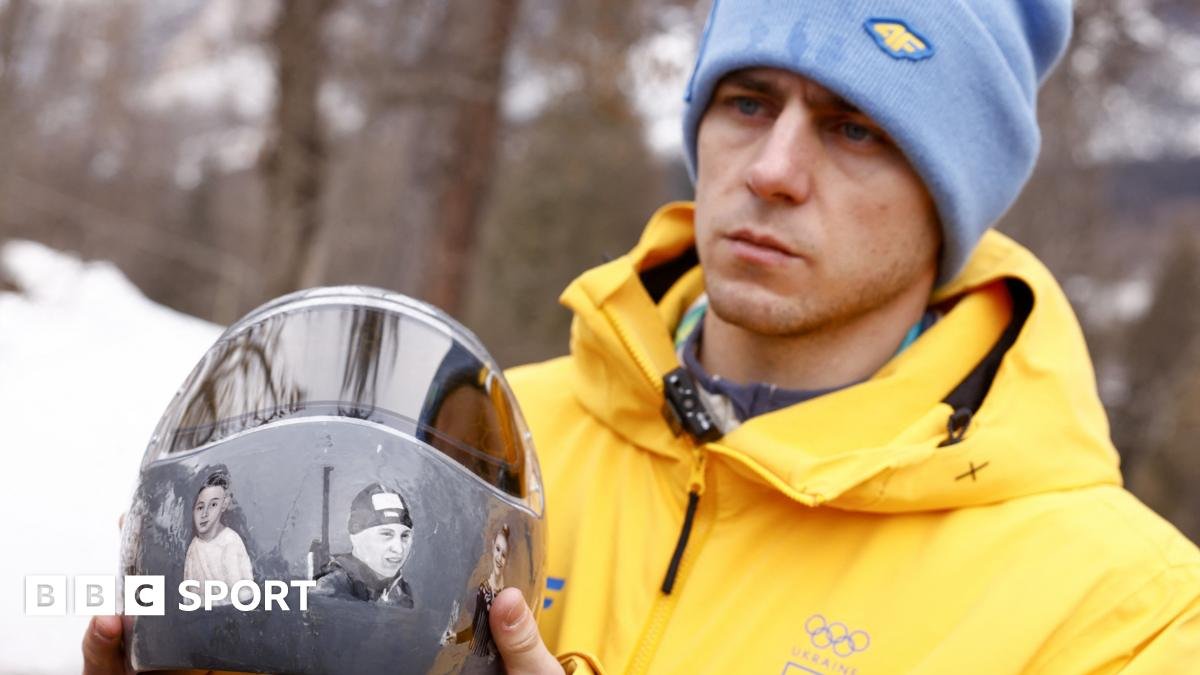
Heraskevych’s Appeal: A Call for Equal Expression at the Olympics
In a significant development surrounding athlete representation, Ukranian athlete Heraskevych has made an appeal to the Court of Arbitration for Sport (CAS). His request seeks to overturn a ban preventing him from wearing a commemorative helmet during the Olympic Games, as well as allowing him to complete the two skeleton runs he missed. This appeal challenges the perceived inconsistency in how emotional expressions are handled across different sports at the Games.
The Basis of Heraskevych’s Appeal
Heraskevych articulated that his disqualification was “disproportionate,” highlighting instances where other athletes have publicly expressed their grief during competitions. A notable example is American figure skater Maxim Naumov, who held up a photograph of his parents, victims of a tragic plane crash in Washington DC last year, as he awaited his score early in the week. This raises questions about the fairness and consistency of the rules regarding athlete expressions at the Olympics.
The IOC’s Position
Despite these examples, the International Olympic Committee (IOC) contends that Heraskevych has violated the ‘athlete expression’ guidelines, established in 2023 as part of Olympic law. These guidelines enforce the principle that, “focus at the Olympic Games must remain on athletes’ performances.” According to the IOC, any form of political or religious expression undermines the neutrality that the Olympic Games are supposed to uphold.
Mark Adams’ Statement
On Thursday, IOC spokesperson Mark Adams emphasized that if athletes were permitted to wear attire that commemorates individuals killed in war, it could lead to potential exploitation of the Games. This statement reflects the delicate balance the IOC seeks to maintain between allowing personal expression and adhering to the stringent regulations that govern the Olympics.
Accusations of Propaganda
Heraskevych has not shied away from accusing the Milan-Cortina Games of functioning as “Russian propaganda.” His criticism has garnered support from notable figures, including Ukrainian President Volodyr Zelensky, who expressed concerns that the IOC’s actions are “playing into the hands of the Russian aggressor.” Such statements emphasize the political undercurrents surrounding the Olympic Games, particularly in the context of international conflicts.
Support from Fellow Athletes
During the Games, Heraskevych has received uplift from fellow athletes. For instance, Ukrainian skier Dmytro Shepiuk displayed a note reading “Ukrainian heroes with us” after his performance. Additionally, the Ukrainian mixed relay luge team expressed their solidarity by taking a knee and holding their helmets aloft, showcasing unity in the face of adversity.
Conclusion
This appeal by Heraskevych highlights not only the complexities of athlete expression at the Olympic level but also the broader implications of political and emotional representation in sports. It raises vital questions about the balance between individual expression and the regulations governing international competitions.
Key Takeaways
- Heraskevych is appealing a ban on wearing a memorial helmet during the Olympics.
- The IOC enforces strict guidelines on athlete expression to maintain neutrality.
- Instances of emotional expressions vary across sports, raising fairness concerns.
- Support from fellow athletes underscores the solidarity among those impacted by conflict.