

Rising Tensions: Trump’s Standoff with Iran
The ongoing tensions between the United States and Iran have escalated as President Donald Trump threatens military action, should Tehran fail to comply with his demands on various issues, including nuclear enrichment and ballistic missile development. Recently, Trump hinted at taking a tough stance if a deal isn’t reached, while diplomatic discussions between Iran and Oman are underway.
Trump’s Military Posturing
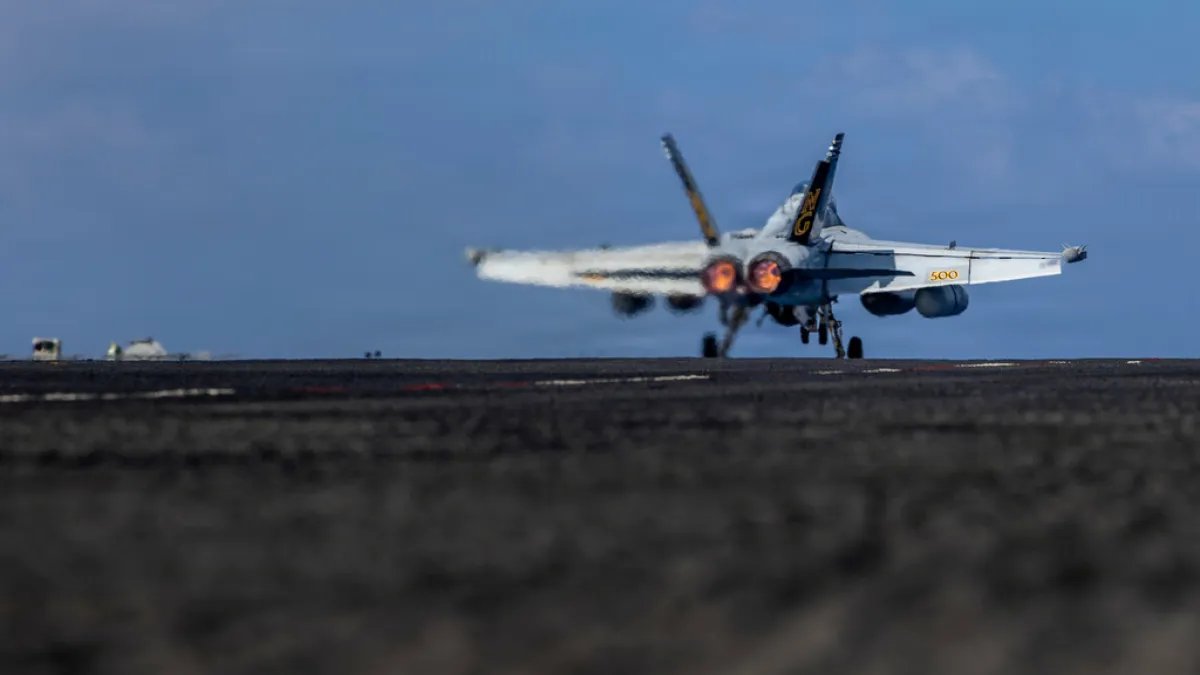
In a recent interview with Israeli media, Trump stated, “Either we reach a deal, or we’ll have to do something very tough.” This declaration follows Iran’s security chief Ali Larijani’s meeting with Oman’s Sultan Haitham bin Tariq Al Said to assess the discussions held between US and Iranian officials. Over the past weeks, Trump has emphasized the increased military presence in the region, describing it as a “massive armada,” highlighting the USS Abraham Lincoln aircraft carrier’s deployment.
Reports suggest that Trump is contemplating the addition of a second aircraft carrier in the Middle East, stoking concerns about a potential military strike against Iran that could destabilize the entire region. To mitigate risks, the US has issued guidelines to commercial ships under its flag, advising them to avoid Iranian waters whenever possible.
Heightened Pressure and Demands
Since January, the pressure on Iran has intensified, with Trump stating that the US military is “locked and loaded and ready to go.” Drawing parallels with the situation in Venezuela, he underscored his military’s readiness to respond swiftly and decisively if necessary, hoping Iran would engage in constructive negotiations.
In late January, the administration outlined three primary demands from Iran: halt uranium enrichment, cut ties with regional proxies, and limit ballistic missile stockpiles. These conditions echo long-standing concerns, particularly from Israel. Trump’s exit from the 2015 nuclear agreement, which had imposed stringent restrictions on Iran in exchange for sanctions relief, marked a significant shift in US policy towards Iran. Since taking office for a second term, he has reinstated his “maximum pressure” campaign designed to dismantle Iran’s nuclear program.
The Domestic Strife in Iran
The resurgence of Trump’s threats coincides with significant anti-government protests within Iran. The Iranian regime’s violent response to these demonstrations, which reportedly resulted in thousands of deaths, has drawn widespread condemnation from human rights organizations. The government has faced allegations of brutality against protesters, including attacks amid an internet blackout to suppress communications.
On the eve of a military operation in Venezuela, Trump indicated a willingness to intervene on behalf of the Iranian protesters, though he ultimately refrained from taking action. Analysts have expressed skepticism about the effectiveness of strikes against Iran in supporting the protesters, asserting that such actions align more with U.S. and Israeli interests in curtailing Iran’s military capabilities.
Conclusion
The situation remains critical as tensions between the US and Iran continue to mount. With the specter of military action looming, the implications extend beyond the geopolitical landscape to affect the lives of countless individuals within Iran, where protest movements struggle against state repression.
Key Takeaways
- Trump has escalated threats of military action against Iran amid stalled negotiations.
- Recent military deployments in the region heighten fears of an impending strike.
- The Iranian government’s violent crackdown on protests complicates the domestic situation.
- Analysts question the efficacy of military interventions in supporting Iranian protesters.