

Venezuela’s Political Landscape: Juan Pablo Guanipa’s Release and its Implications
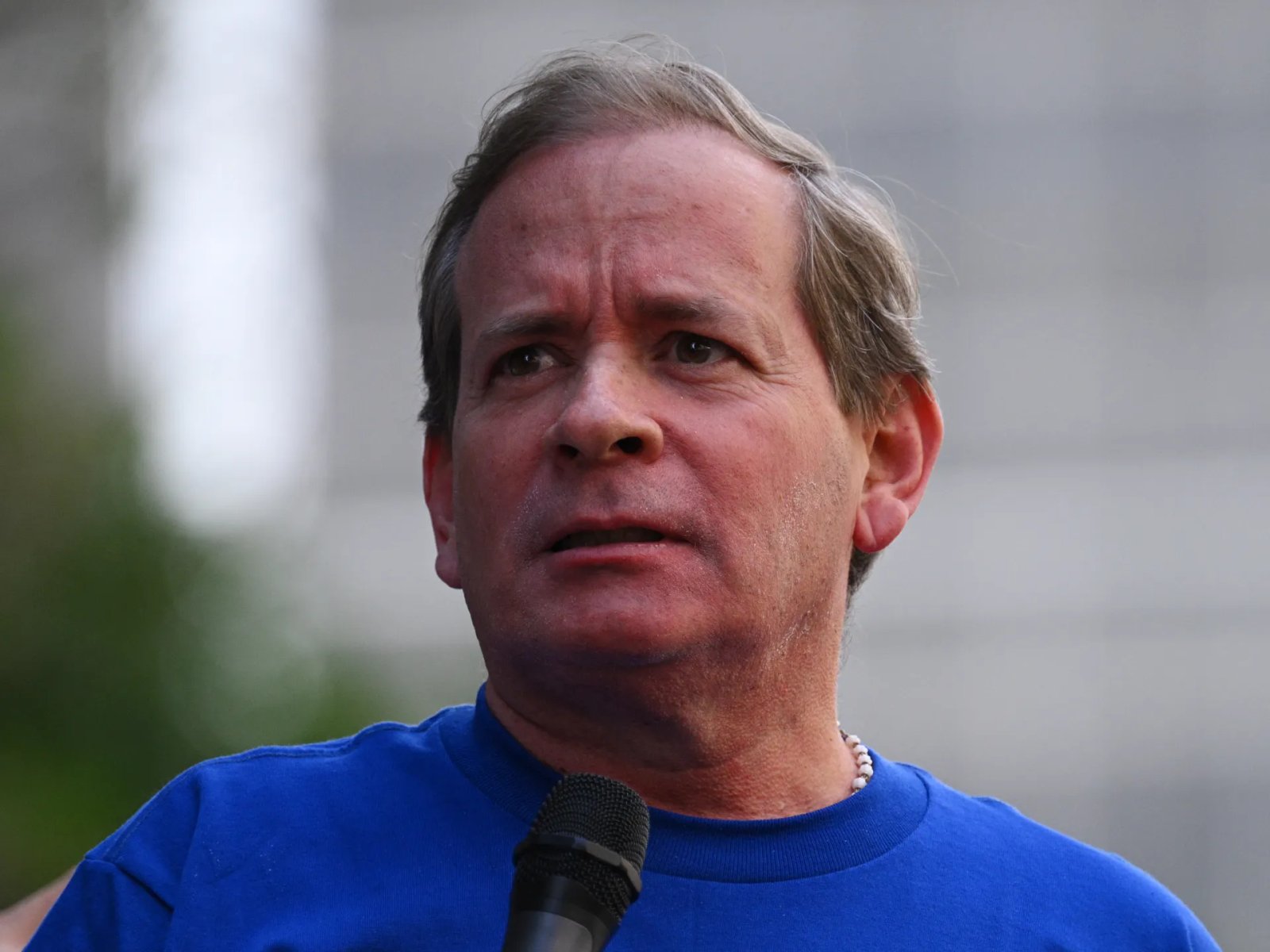
The recent release of Venezuelan opposition figure Juan Pablo Guanipa from jail has sparked renewed discussions about the current and future state of Venezuela. With increasing pressure from the United States to free political prisoners, Guanipa’s liberation is part of a broader wave of releases that has significant implications for the nation’s political environment.
Guanipa’s Journey and Release
According to a statement from his family, Guanipa was freed over the weekend, marking yet another high-profile release orchestrated by the Caracas government. The rights organization Foro Penal noted that there have been 383 verified releases of political prisoners since the government initiated a series of liberations on January 8.
After nearly nine months in detention and ten months in hiding, Guanipa expressed a deep concern for Venezuela’s future, emphasizing the need for honesty in discussing current issues. “There’s a lot to talk about regarding the present and future of Venezuela, always with the truth front and centre,” he stated following his release.
Background and Reactions
Guanipa, a prominent politician and close ally of Nobel Peace Prize-winning leader Maria Corina Machado, was arrested in May 2025 under allegations of orchestrating a “terrorist” plot—claims that both he and his family vehemently deny. In a recent update, his family reported that they were finally able to see him in person after months of uncertainty, confirming that he is in good health.
Machado celebrated Guanipa’s return on social media, urging for the release of all political prisoners. Similarly, exiled opposition figure Edmundo Gonzalez Urrutia called for the immediate liberation of those still behind bars, stressing that recent releases do not equate to total freedom. He noted, “As long as legal proceedings remain open and restrictive measures, threats, or surveillance persist, the persecution continues.”
Government’s Claims and Future Measures
For years, human rights organizations and opposition groups have alleged that the Venezuelan government uses imprisonment as a tool to suppress dissent. Conversely, the government maintains that those detained are criminals, not political prisoners.
In an effort to address concerns regarding the treatment of prisoners, interim President Delcy Rodriguez proposed an “amnesty law” aimed at providing clemency to hundreds of individuals incarcerated for political protests or critical remarks about public officials. This legislation aims to restore assets to the wrongly imprisoned and revoke international alerts issued against them. Rodriguez announced this proposal had passed an initial vote in the National Assembly but will need one more vote to become law.
Rodriguez, who assumed office following the reported abduction and ousting of Nicolas Maduro by U.S. forces last month, has been under pressure to release political prisoners while navigating complicated oil deal negotiations with the United States.
Conclusion
The release of Juan Pablo Guanipa is a pivotal moment in Venezuela’s ongoing struggle for political freedom. It highlights the complexities of the nation’s current political climate, showcasing both the government’s attempts at reform and the persistent calls for justice from the opposition and human rights advocates.
- Juan Pablo Guanipa has been released after nearly nine months in detention.
- The Venezuelan government has released hundreds of political prisoners since January.
- Calls for the release of all political prisoners continue, emphasizing ongoing persecution.
- A proposed amnesty law could pave the way for greater freedom for those jailed for political reasons.