

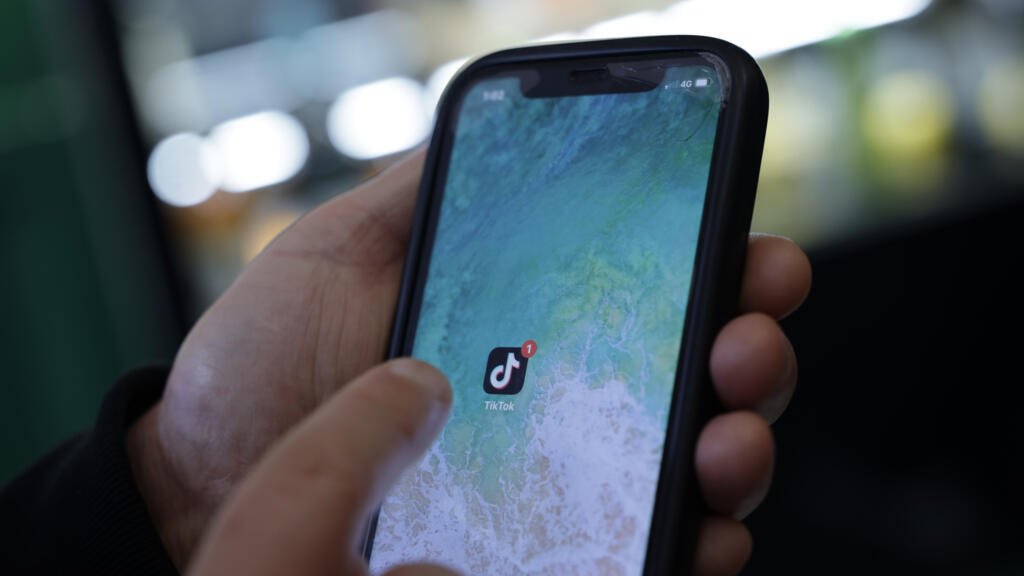
TikTok Faces Scrutiny Over Digital Services Act Breach
On Friday, the European Commission revealed the initial findings of a lengthy investigation which has scrutinized TikTok’s practices over the past two years. The results indicate that TikTok has violated the EU’s Digital Services Act due to what has been described as its “addictive design.” In response, TikTok has sharply disputed these allegations, labeling the investigation’s results as “categorically false.”
Understanding the Investigation
The investigation aimed to evaluate whether TikTok’s platform adheres to regulations set forth by the Digital Services Act, a framework designed to ensure safer online spaces for users. As part of this review, investigators focused on how certain features of TikTok may encourage excessive use among its audience.
TikTok’s Response
In light of the Commission’s findings, TikTok has firmly rejected the claims. The company argues that the conclusions drawn from the investigation misrepresent the platform’s intentions and functionality. TikTok contends that its design choices prioritize user engagement but do not intentionally promote dependency or addiction.
The Broader Implications
This case highlights the ongoing tension between social media platforms and regulatory bodies concerning user safety and digital responsibility. As governments aim to impose stricter controls on tech giants, the implications for platforms like TikTok could lead to enhanced monitoring and potential changes in how they operate.
Conclusion
The investigation into TikTok raises significant questions about the balance between user engagement and ethical design, an issue that is increasingly coming to the forefront in discussions about social media regulation.
- The European Commission has identified TikTok as violating the Digital Services Act.
- TikTok has denied all allegations, calling the findings false.
- This situation reflects wider concerns about user safety on social media platforms.
- The case may lead to stricter regulations for tech companies in the future.