

Venezuela’s Oil Deal: A Path to Recovery or a New Struggle?
In a significant development for Venezuela, the country has successfully transferred between 30 and 50 million barrels of crude oil to the United States, netting $500 million from its inaugural oil sale under a U.S.-mediated agreement. This arrangement, struck last month, offers a critical boost to the beleaguered Venezuelan economy, although the earnings are not directly accessible to the government. Instead, funds are funneled into a restricted account in Qatar, overseen by the U.S., to ensure they are allocated for public sector salaries and essential services. This agreement coincides with major political shifts following the U.S. military operation that led to the capture of President Nicolás Maduro.
The Political Landscape in Venezuela
Venezuela finds itself in a tumultuous political and economic situation, one month after the U.S. military operation dubbed Operation Absolute Resolve on January 3, 2026. This operation resulted in the controversial capture of Maduro and his spouse, Cilia Flores, with the Venezuelan Ministry of Defense reporting 83 casualties during the extraction.
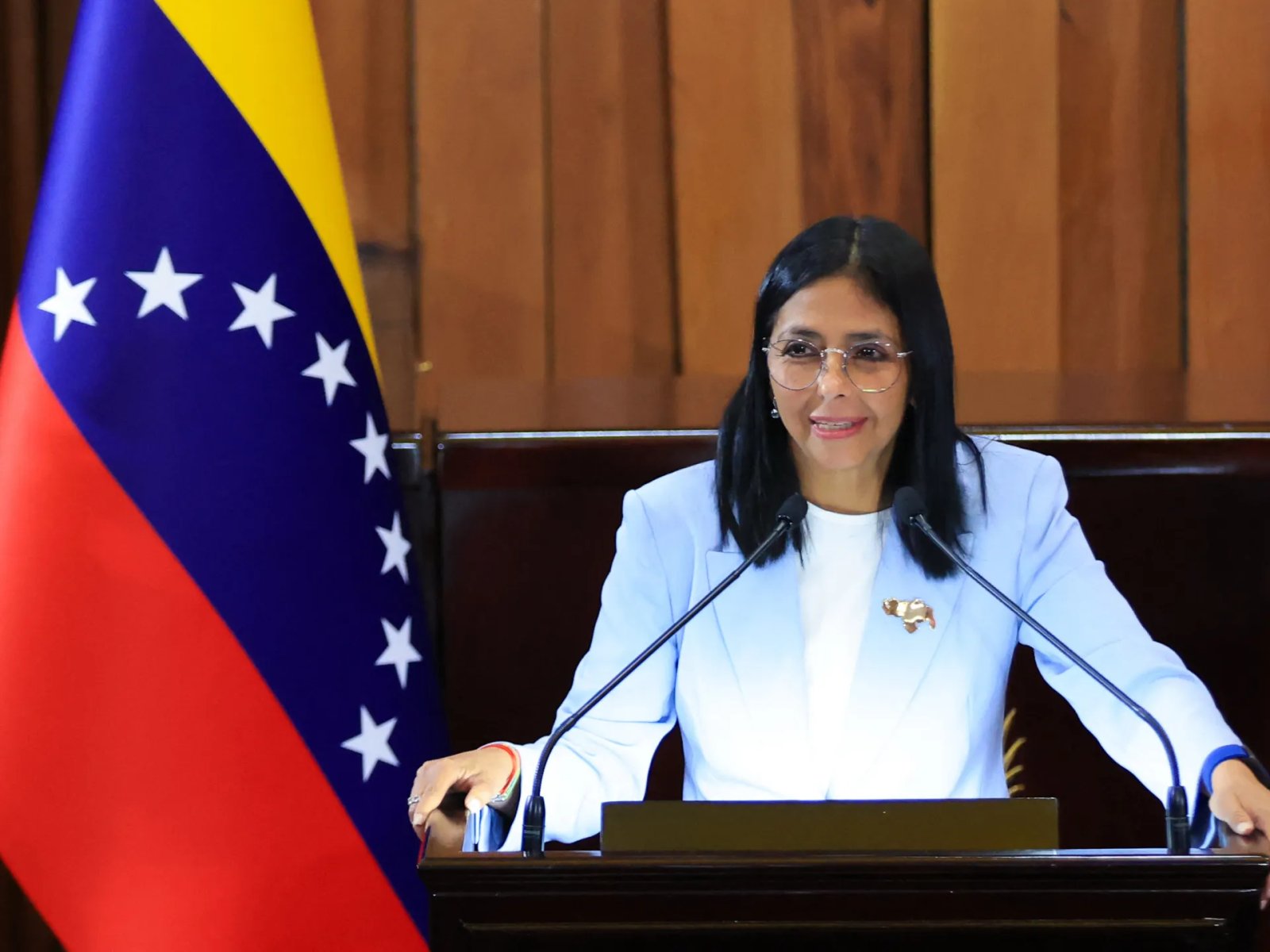
The aftermath saw the Supreme Tribunal of Justice announcing Maduro’s “forced absence” and appointing Acting President Delcy Rodriguez. While Rodriguez has condemned the U.S. intervention as an “illegal kidnapping,” she has shown a readiness to collaborate with Washington, even proposing reforms aimed at attracting foreign investment into the oil sector.
In late January, Rodriguez further announced a mass amnesty initiative to release political prisoners, along with plans to convert the notorious El Helicoide prison into a community hub. However, critics remain skeptical, questioning whether these actions can effectively tackle Venezuela’s deep-rooted issues and the interim government’s legitimacy.
The Players Behind the Curtain
Power in Venezuela is firmly anchored in a “civic-military” alliance. While Rodriguez occupies the official role of president, analysts like Salvador Santino Regilme indicate that real power resides within the governing coalition rather than a singular officeholder.
Key Figures in Rodriguez’s Administration
- Jorge Rodriguez (Head of the National Assembly): The interim president’s brother governs the legislature and was instrumental in fast-tracking the new energy reforms.
- Diosdado Cabello (Interior Minister): Represents the hardline faction of Chavismo yet faces intense pressure, including a $25 million bounty on him related to narco-terrorism charges.
- Vladimir Padrino (Defense Minister): An enduring military leader who has kept command for over 11 years despite a U.S. drug trafficking indictment and a $15 million bounty for his capture.
Moreover, experts suggest that the business sector plays a crucial role, with many leaders backing Rodriguez since her rise to the interim presidency, essentially forming a “shadow power” in the country.
Funding the Government’s Operations
With the largest proven oil reserves globally—estimated at 303 billion barrels—Venezuela’s economy largely hinges on oil revenues. This sector remains indispensable as it is the only one capable of generating significant income, according to experts.
The current financial mechanisms operate in stages, from oil extraction to financial disbursement. Instead of direct payments, funds follow U.S.-supervised channels and land in a restricted account in Qatar, protecting them from creditors aiming to recoup Venezuela’s estimated $170 billion external debt. The U.S. also does not authorize fund distribution until Venezuela submits specific budget requests for schools, healthcare, and more. Once sanctioned, these funds are transferred to the Central Bank and ultimately flow to local banks.
Despite this arrangement being labeled “novel,” critiques regarding its implications abound. They point to an evident control by U.S. officials, including remarks from some politicians suggesting that safeguards are lacking to prevent misuse of funds.
Diversifying Revenue Streams
In an attempt to broaden its financial avenues, the Venezuelan government also seeks to leverage its substantial gold reserves—the largest in Latin America, worth about $23 billion. With recent estimates indicating gold production at 9.5 tonnes in 2025, the sector could provide an additional income stream, though much activity continues through informal or illegal channels.
The Humanitarian Situation
Even amid these economic maneuvers, the situation on the ground is dire. Over 7.9 million citizens require urgent humanitarian assistance, with around 56% living in extreme poverty, as reported by the United Nations. Citizens like Zulma Clavo from Caracas articulate the daily struggles of making ends meet, with wages insufficient to cover basic living expenses.
As oil production ramps up, experts foresee potential economic relief. However, questions linger about who will eventually control and decide the use of these funds. With the current financial structure heavily influenced by U.S. oversight, the future remains uncertain.
Conclusion
The path Venezuela takes in the coming months will likely hinge on the intricate interplay of its political reforms, oil revenues, and international oversight. While the unfolding situation presents some opportunities, significant challenges remain in securing a stable future for its citizens.
Key Takeaways
- Venezuela has initiated a pivotal oil deal to boost its economy under U.S. oversight.
- The interim government, led by Delcy Rodriguez, navigates a landscape of political tension after Maduro’s capture.
- A complex financial mechanism ensures that funds are monitored for specific uses aimed at critical services.
- Despite attempts at diversification, Venezuela’s economic stability heavily depends on its oil sector.