

The Evolving Landscape of Cocaine Trade in Europe
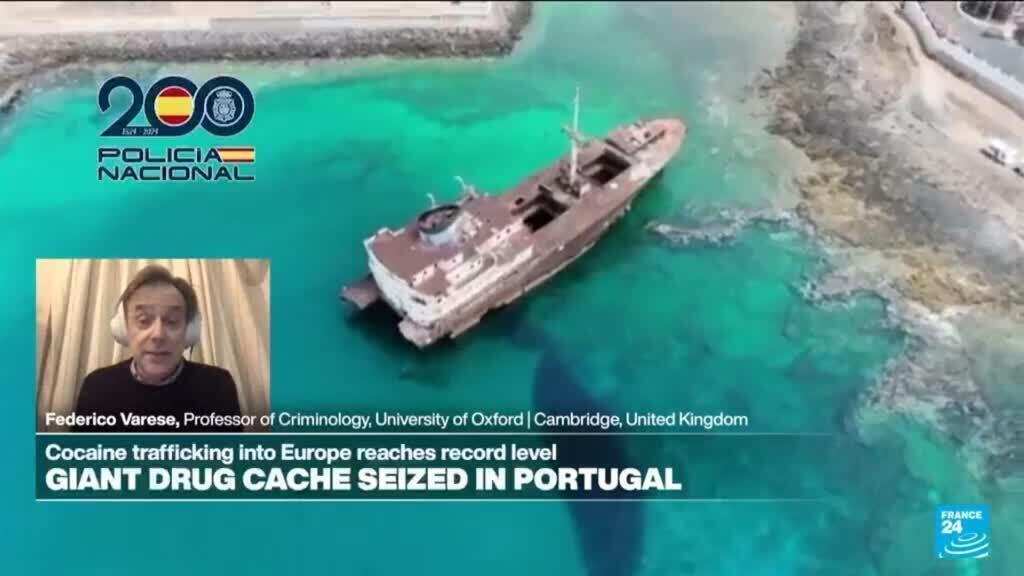
In a recent discussion, Eve Irvine had the privilege of speaking with Professor Federico Varese, a criminologist and professor at Oxford University. Together, they explored the escalating cocaine trade in Europe, which is becoming increasingly ingrained in the continent’s social and geopolitical structures. This topic delves into a complicated web of factors, including heightened production in Colombia, innovative trafficking methods through Africa, and advancements in technology such as drones and submersibles that are challenging law enforcement efforts.
An Expanding Trade
The cocaine trade has witnessed a significant surge in both production and consumption across Europe. As the market grows, various elements—from production techniques to the methods of transport—have evolved dramatically, complicating the landscape for authorities trying to combat this issue.
Complex Trafficking Routes
Modern trafficking routes have shifted and diversified. The introduction of innovative tactics, including the use of drones and submersibles, has transformed how cocaine is smuggled into Europe. These technologies not only facilitate the movement of drugs but also increase the challenges faced by law enforcement agencies.
Societal Implications
Amid the growing cocaine trade, it’s crucial to remember that the fight against drug abuse begins at home and in schools. Prevention efforts need to be galvanized within communities to address the root causes of drug consumption and to equip young people with the knowledge and skills to resist involvement in drug culture.