

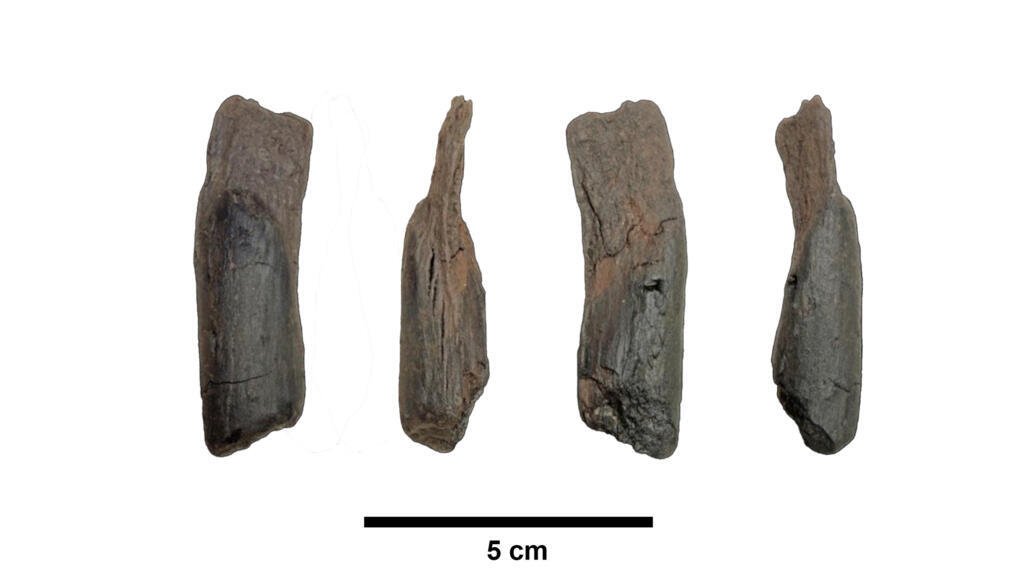
The Discovery of Ancient Wooden Tools in Greece
In a remarkable archaeological find, some of the world’s oldest wooden tools, believed to be around 430,000 years old, have been unearthed in the Megalopolis basin of Greece. These tools, thought to have been utilized by Neanderthals or early human ancestors, shed new light on the technological capabilities of our prehistoric relatives.
The Tools and Their Significance
The discovery includes a slender wooden stick likely used for digging and a handheld piece of wood that may have served to craft stone tools. Such artifacts provide an invaluable insight into the lives and skills of early humans, showcasing their ingenuity in adapting to their environment.
Understanding Early Human Technology
This find not only highlights the tools’ physical form but also emphasizes the cognitive abilities of early hominins. The use of tools signifies a foundational step in technological development, paving the way for further advancements that would follow in human history.
Implications for Archaeology
The implications of this discovery are profound for the field of archaeology. It challenges existing narratives about the timeline of human innovation and the sophistication of early tool-making techniques. By studying these wooden remnants, researchers hope to gain a deeper understanding of the social and environmental contexts in which our ancestors operated.
Conclusion
The unearthing of these ancient wooden tools in Greece provides an extraordinary glimpse into the skills and lives of our ancestors. As researchers continue to explore these findings, we may uncover even more about human evolution and the development of technology in the distant past.
- Ancient wooden tools found in Greece date back 430,000 years.
- Thought to have been used by Neanderthals or early human ancestors.
- Includes a digging stick and a handheld tool for shaping stones.
- Highlights significant advancements in early human technology.