

A Dangerous Crossroad: The Tensions Between Europe and the U.S. Over Greenland
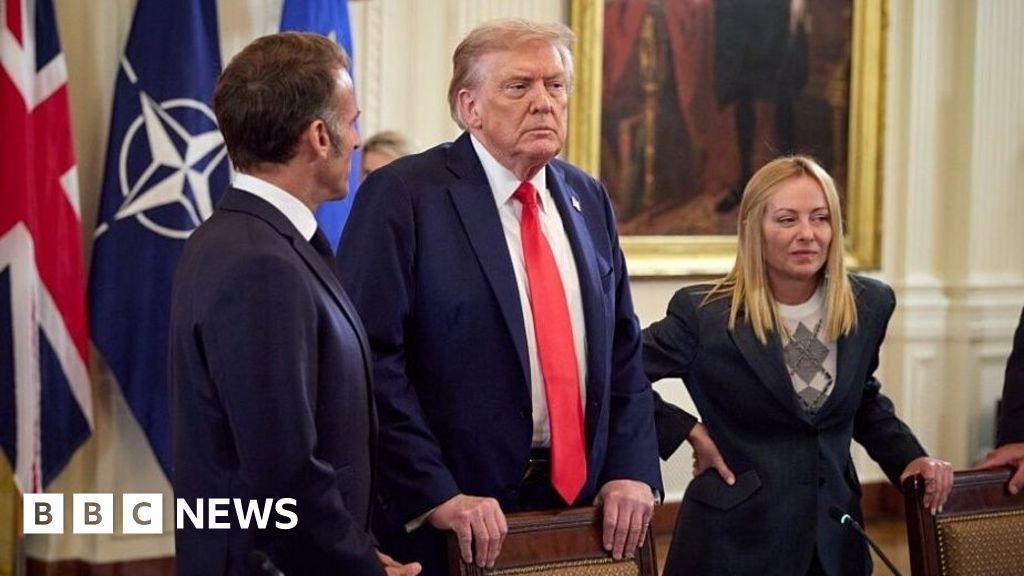
As we approach the end of President Trump’s second term, European leaders find themselves facing a critical and tension-filled moment. The situation revolves around the precarious balance of support for an EU member, Denmark, amid threats of economic consequences from the White House. With an urgent EU summit on the horizon, questions arise about how Europe will respond and what that might mean for transatlantic relations.
The Current State of Affairs
The ongoing crisis has prompted leaders across Europe to gear up for an emergency summit. The looming question is whether the EU should confront the U.S. with countermeasures. If not, could President Trump interpret this as a sign of weakness or disunity among the 27 EU nations? Some fear that this might embolden him to pursue actions against Greenland—either through negotiation or more aggressive means.
Calls for Action
French President Emmanuel Macron has stepped into the spotlight, suggesting that it’s high time for the EU to utilize its “trade bazooka.” This metaphor refers to the Anti-Coercion Instrument (ACI), designed to counteract external pressures. With this tool, Europe could impose retaliatory tariffs, limit access to the Single Market, and even block applications for lucrative EU contracts. Ironically, the ACI was meant to deter foreign meddling, mostly from China, rather than from the United States.
The Mixed Reactions from EU Leaders
However, there are mixed feelings among EU leaders regarding this aggressive stance. Italy’s Giorgia Meloni, for instance, has maintained a relatively positive relationship with Trump. She has hinted at a “problem of understanding and communication,” particularly concerning the recent troop deployments to Greenland by certain European nations, including Denmark. While she did not elaborate on the specifics of the misunderstanding, it raises the issue of whether the intention was to appease Trump by reinforcing Arctic security—a move that seemed to provoke his latest threats instead.
A Diplomatic Approach
Meloni’s comments suggest a potential for a more diplomatic resolution to this unfolding EU-U.S. crisis. The emergency meeting this past Sunday among EU ambassadors was subdued compared to more high-profile summits, where leaders typically seize the cameras to express their views. The uncertainty now lies in who will take the initiative next—whether Trump will lessen his aggressive approach or escalate it further.
Challenges Ahead for the EU
Given the sensitivity of the situation, swift action from the EU is far from guaranteed. Europe has made significant efforts to manage relations with Trump during his second term, and opinions differ; some view this as tactful, while others see it as overly submissive. A prevailing sentiment now is that Trump is not merely isolating transatlantic diplomacy; he’s actively threatening to dismantle it.
Conclusion
The evolving situation between the U.S. and Europe over Greenland poses significant challenges. As tensions mount, European leaders must weigh their responses carefully. Will they stand united against perceived threats, or will divisions deepen in the face of escalating pressures from the White House?
- The EU faces critical choices ahead regarding its response to U.S. threats over Greenland.
- The Anti-Coercion Instrument could serve as a pivotal tool for Europe to counter American pressures.
- Mixed reactions among EU leaders highlight the complexity of transatlantic relations.
- A focus on diplomacy may be essential to navigate this precarious situation.