

Russia’s Response to European Troops in Ukraine
The ongoing conflict in Ukraine shows no signs of resolution as Russia condemns the proposal for European troop deployment to the region. This article explores the latest developments, including reactions from European leaders and warnings from Ukrainian officials amidst escalating tensions.
Russian Concerns Over Troop Deployment
Russia has labeled the plan for European troops to be sent to Ukraine as “dangerous,” casting doubt on any potential for a swift conclusion to the nearly four-year-long conflict. This week, European and US leaders unveiled that post-war arrangements for Ukraine might include a US-led monitoring system along with a European multinational force to be activated once hostilities cease. However, Moscow has firmly maintained that it would not tolerate any NATO member nations sending forces into Ukraine. Maria Zakharova, a spokesperson for Russia’s foreign ministry, reiterated on Thursday that “all such units and facilities will be seen as legitimate military targets for the Russian armed forces,” amplifying previous warnings made by Vladimir Putin. She referred to the plan as “destructive,” asserting that Kyiv’s international backers are forming an “axis of war.”
The Path to Ceasefire
German Chancellor Friedrich Merz expressed concerns regarding the timeline for a ceasefire, stating that it is still “quite far” off due to Russia’s current stance. He emphasized that any meaningful agreement must begin with a ceasefire followed by long-term security guarantees for Ukraine. “None of this is feasible without Russia’s agreement, which we seem to be a long way from,” he mentioned during a press conference on Thursday.
Warnings from Ukrainian Officials
The US embassy in Kyiv issued a warning on Thursday about a “potentially significant air attack” that could happen within the next few days. In a parallel address, President Volodymyr Zelenskyy echoed these concerns, urging citizens to be vigilant for air raid alerts and to seek shelter immediately when required. He indicated there might be another substantial Russian attack that night, though specifics were not disclosed.
The Need for a Multinational Force
To effectively prevent Russia from undermining a ceasefire after the war, a robust Anglo-French-led stabilization force would need to deploy thousands of combat troops, according to former US Army General Ben Hodges. Discussions about this multinational force took place this week in Paris between British and French leaders alongside Zelenskyy.
The Impact of Russian Drone Strikes
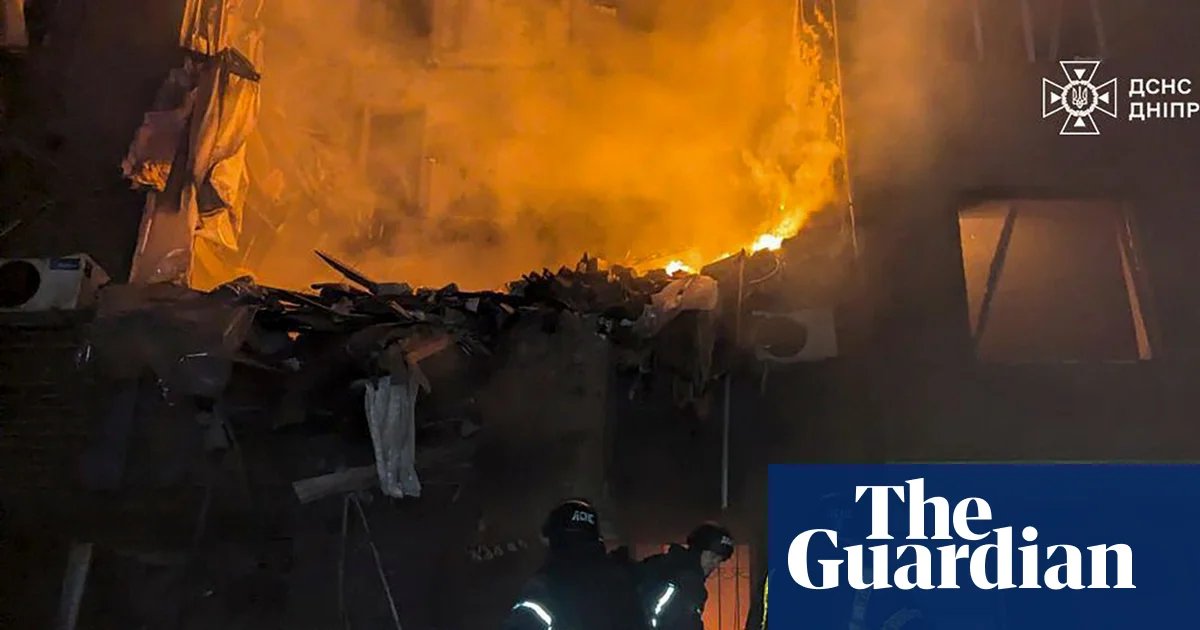
On Friday, Russian drones targeted various locations in Kyiv, igniting fires across multiple districts and injuring at least four individuals. The attacks commenced just before midnight and affected structures including an apartment building and a shopping center on the east bank of the Dnipro River, according to the head of the capital’s military administration, Tymur Tkachenko.
Connectivity Disruptions in Belgorod
Ukrainian strikes on Belgorod’s energy installations led to significant disruptions in internet connectivity, as reported by NetBlocks. The monitoring organization highlighted that this may be one of the most effective infrastructure attacks by Ukraine since the conflict began.
Restoration Efforts Post-Attacks
Ukrainian officials scrambled to restore electricity on Thursday after Russian drone strikes caused widespread blackouts in two southeastern regions. President Zelenskyy stated that these strikes appeared to be aimed at “breaking” his nation. Nearly 500,000 households in Dnipropetrovsk, one of Ukraine’s major regions, remained without power as of Thursday afternoon, according to energy provider DTEK. Moreover, Deputy Prime Minister Oleksiy Kuleba reported that over 1.7 million households faced water supply shortages, although power was eventually restored in parts of the Zaporizhzhia region after relying on backup reserves.
Continued Russian Attacks
In Dnipropetrovsk region, Zelenskyy confirmed that new missile strikes had targeted residential areas in his hometown of Kryvyi Rih, causing injuries to at least 26 individuals, including six children. The attacks damaged 29 apartment buildings, complicating water supply operations for the local municipal water company.
European Union’s Energy Dependence
New revelations accuse European governments of inadvertently supporting Vladimir Putin’s war efforts, as recent data shows the Kremlin earned an estimated €7.2 billion ($9.7 billion) from liquefied natural gas (LNG) exports to the EU last year. Although Brussels has committed to banning Russian LNG imports by 2027, analyses indicate no immediate downturn in shipments from Russia’s Yamal peninsula LNG complex.
Political Reactions in the UK
In British politics, Nigel Farage is facing criticism for allegedly echoing Kremlin sentiments after announcing that he would oppose any UK military involvement in Ukraine. Following a joint statement from Britain and France regarding the readiness to deploy troops for peacekeeping, Cabinet Minister Pat McFadden questioned Farage’s commitment to national security.
Parliamentary Procedures for Troop Deployment
Leader of the Opposition Keir Starmer confirmed that British MPs would have the opportunity to debate and vote on any plans for deploying UK troops for peacekeeping in Ukraine. He assured that relevant details concerning troop numbers would be disclosed at that time.
Conclusion
As the situation in Ukraine continues to evolve, the international community remains divided over potential military interventions. The ongoing conflict highlights the complexities of diplomacy and security in the region, with concerns mounting for civilians caught in the crossfire. The interplay of military threats, political posturing, and humanitarian issues ensures that the road to peace remains fraught with challenges.
Key Takeaways
- Russia condemns international troop deployment to Ukraine, labeling it dangerous.
- A ceasefire appears distant as diplomatic negotiations stall without Russia’s agreement.
- Ukrainian officials are managing significant impacts from recent drone strikes and power outages.
- Political divisions in Europe and the UK complicate support for Ukraine amidst ongoing hostilities.