

US Interest in Greenland: Implications for NATO and European Sovereignty
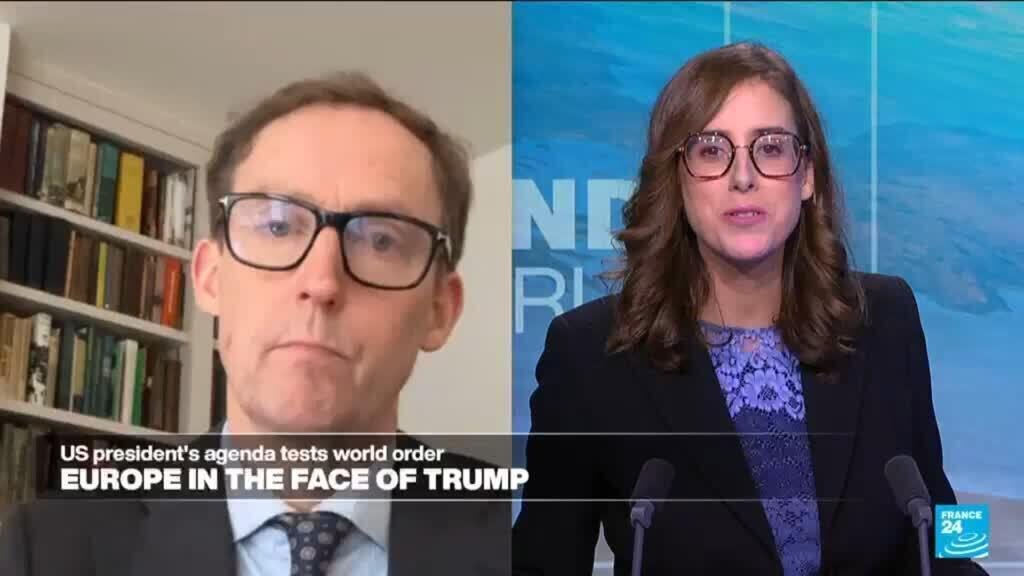
Following the recent, high-stakes capture of Venezuelan President Nicolás Maduro by US forces, discussions are heating up within the Trump administration regarding Greenland. Plans are being considered that range from negotiating a purchase with Denmark to even the audacious thought of deploying military action to take control of this strategically important Arctic region. This situation poses critical questions about how Europe should respond to an increasingly aggressive stance from the United States and safeguard the sovereignty of a NATO ally. Barry Andrews, a Member of Parliament from Ireland representing Renew Europe, shares his perspectives on these developments.
The Context of US Military Action
The bold move against Maduro has shifted the conversation towards other territories that hold strategic value, notably Greenland. With its vast resources and key location, Greenland has caught the eye of US policymakers. This shift highlights the willingness of the US to use military force in pursuit of its interests, raising alarms within Europe about the potential ramifications for international relations and security.
European Concerns
As the US considers its next steps, European leaders find themselves at a crossroads. The prospect of military intervention in Greenland not only challenges Denmark’s sovereignty but also tests the unity and effectiveness of NATO. European nations must weigh their responses carefully to ensure that they stand firm against any unintended aggression while supporting a NATO ally.
Implications for NATO
The North Atlantic Treaty Organization has been pivotal in maintaining peace and stability in Europe and North America for decades. The suggestion of US military involvement in Greenland, however, could strain relations within this alliance. How Europe chooses to respond will not only affect Danish sovereignty but will also set a precedent for future interactions with the US regarding military operations in allied territories.
Insights from Barry Andrews
Barry Andrews emphasizes the need for a coordinated European approach in the face of these developments. A strong, united front can reinforce the importance of sovereignty and deterrence against unilateral military actions. Countries must engage in dialogue to define a collective response that prioritizes diplomacy and respect for national borders.
Conclusion
As the situation unfolds, the implications of the US’s renewed interest in Greenland present not only a challenge for Denmark but also broader questions concerning the stability and effectiveness of NATO. European nations must navigate this complex landscape with caution, ensuring that they uphold the principles of sovereignty and collective defense.
- The US is considering military options in Greenland following its actions in Venezuela.
- This could challenge the sovereignty of Denmark and test NATO’s unity.
- European leaders must coordinate their responses to protect their interests.
- Barry Andrews highlights the need for a collaborative, diplomatic approach.