

Inside France’s Unique Spy Training Program
Journey into the intriguing world of espionage and intelligence gathering with a unique program that attracts both young students and seasoned spies. The Diplôme sur le Renseignement et les Menaces Globales, or Diploma of Intelligence and Global Threats, offers a blend of education and training aimed at preparing individuals for the complexities of modern threats, both locally and globally.
An Unconventional Academic Environment
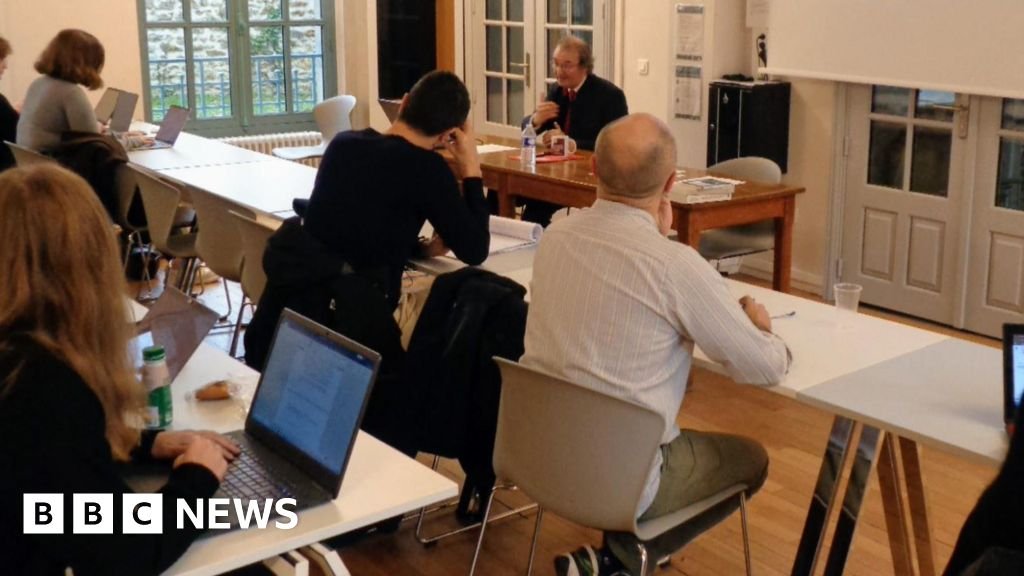
At the heart of this unusual program is Professor Xavier Crettiez, who acknowledges that he often doesn’t know the real identities of many students enrolled. With a mix of traditional early 20s learners and French intelligence agents, the classroom dynamic at Sciences Po Saint-Germain is anything but ordinary. Nestled on the outskirts of Paris, the campus features somber early 20th-century architecture that evokes a discreet ambiance, perfect for a school tasked with training spies.
The university developed this program in collaboration with the French intelligence academy following a government request a decade ago, aiming to bolster its intelligence workforce post the 2015 Paris terrorist attacks. Not only does this course cater to aspiring spies, but it also serves as continuous education for active agents, with interest from large corporations eager to equip their security teams.
The Course Structure
The diploma consists of 120 hours of coursework delivered over four months, costing around €5,000 for external participants, including intelligence operatives and corporate employees. The curriculum focuses on identifying and mitigating various threats, encompassing topics like organized crime economics, political violence, and Islamic jihadism.
A Day in Class
To gain insight into the program, I underwent vetting by French security services to attend a session. The topic of discussion was the reliance on technology in intelligence. During the class, I chatted with a student who identifies himself as Roger, an investment banker seeking to enhance his risk assessment skills for clients in West Africa.
Expanding Horizons in Intelligence
Professor Crettiez highlights a significant growth in the French secret service, with roughly 20,000 agents now part of this sector, divided between external and internal intelligence forces. The focus has expanded beyond just counter-terrorism to include issues like money laundering and organized crime, reflecting the evolving landscape of national security threats.
Expertise from Notable Figures
The course features a diverse roster of instructors, including former intelligence officers and officials. The growing interest from the private sector indicates that companies are increasingly recognizing the importance of intelligence in navigating today’s complex security environment. Major corporations are actively recruiting course graduates, looking for fresh talent equipped to tackle cybersecurity threats.
The Student Body
This year’s cohort consists of 28 students, six of whom are spies. It’s noticeable that these agents often keep to themselves during breaks, maintaining a certain level of confidentiality about their roles. However, they openly acknowledge that this course serves as a vital stepping stone for them.
Younger students like 21-year-olds Alexandre Hubert and Valentine Guillot express their motivations for joining the program. Alexandre seeks a comprehensive understanding of the economic tensions between Europe and China, while Valentine draws inspiration from the dramatic portrayals of espionage in popular culture.
A Shift Towards Inclusivity
Perhaps one of the most encouraging developments in this field is the increasing number of women enrolling in the program, which was a rarity in previous years. Instructor Sébastien-Yves Laurent notes that there’s a new passion among women dedicated to making the world a safer place through intelligence work.
Application Process and Selection
For those interested in this intriguing course, French citizenship is a requirement, though some dual citizens are accepted. Professor Crettiez remains vigilant during the selection process, having encountered applications from overly impressive candidates with questionable backgrounds that are swiftly dismissed.
Conclusion
The Diploma of Intelligence and Global Threats showcases a unique blend of education and practical training, addressing an array of contemporary challenges faced by both public and private sectors. With a diverse student population and an adaptable curriculum, this program offers insight into the captivating yet serious world of espionage.
Key Takeaways
- The program is a collaboration between Sciences Po and the French intelligence academy.
- It focuses on modern threats, encompassing topics from organized crime to political violence.
- Half of the students this year are women, indicating a shift towards inclusivity in the field.
- Candidates must be French citizens, with a careful vetting process in place for applicants.