

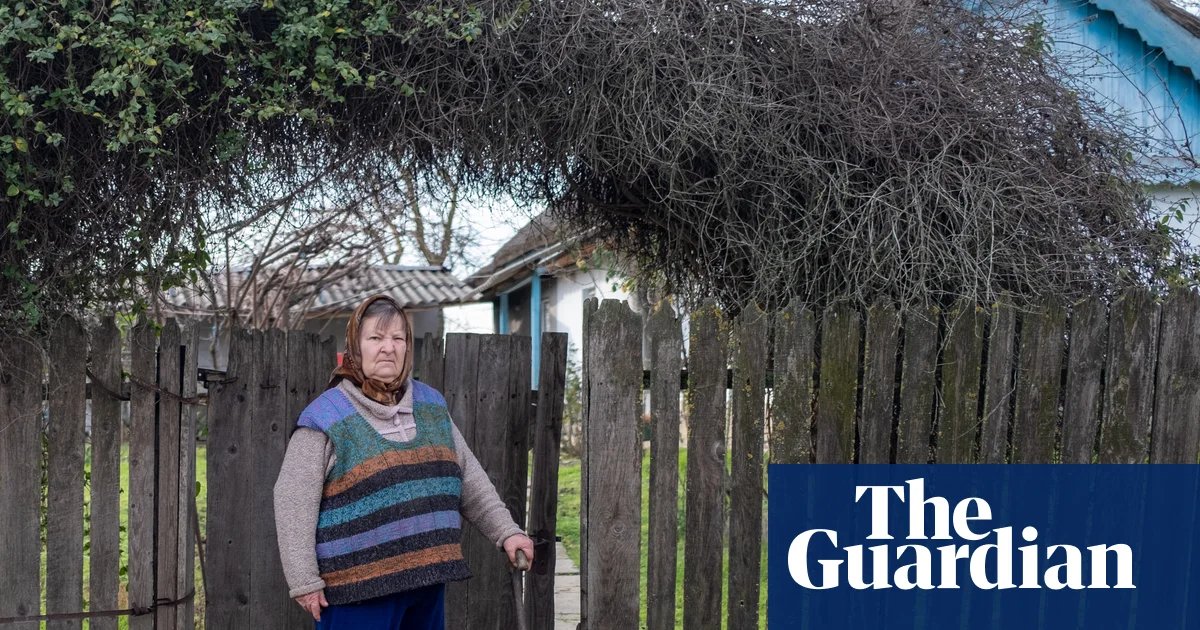
Life on the Border: The Struggles of a Romanian Village Amidst War
At the border of Romania’s Danube Delta and Ukraine lies the village of Plauru, a place where the quiet grazing of cows on marshy fields meets the stark reality of conflict. Despite the serene scenery, the daily lives of the approximately 500 residents of Ceatalchioi commune—comprising Plauru and three surrounding villages—are overshadowed by the ongoing war in Ukraine. This article explores the impact of the conflict on this isolated community and the unique challenges they face as they navigate a life tinged with danger.
A Calm Facade with Underlying Tensions
In Plauru, houses adorned with blue-painted roofs line the dirt roads, many left unattended or abandoned. The nearby Ukrainian port city of Izmail looms in the distance, separated only by a narrow stretch of the Danube River. During daylight hours, the village appears deceptively peaceful, but as night falls, that tranquility is often shattered.
The sound of drones fills the night air, followed by distant explosions that disturb the sleep of the villagers. For those living in Ceatalchioi commune, the war isn’t just a news story; it’s an immediate reality. As Russia intensifies its targeting of Ukrainian port facilities along the Danube, Romanian border villages like Plauru find themselves unwittingly caught in the crossfire.
The Dangers of Proximity
The single dirt road connecting Ceatalchioi to Tulcea, the nearest city, presents a harrowing journey, filled with deep ruts and potholes that make it barely navigable. In times of crisis, such as when a Russian drone recently struck a ship in Izmail, causing evacuations for fear of explosions, this inadequate infrastructure poses serious safety risks.
“For more than three years we have lived with war over our heads. Some areas in Ukraine do not have the level of stress that we have here,”
The mayor voiced concern over the potential dangers posed by the ongoing conflict. As local authorities evacuated residents during high-risk incidents, many were reluctant to leave their homes and livestock behind. Adriana Giuvanovici, 71, chose to remain in her home even while her children lived elsewhere. “We hear loud noises and bombs every now and again. We got used to it, but of course we are afraid,” she shared.
Daily Life Amidst the Chaos
Life in Plauru has adapted to these constant dangers, as fear mixes with a sense of routine. Close neighbors like Georghe Boftea and Mititelu Petrea have also become accustomed to the sounds of conflict. “You live in fear because you don’t know where the next drone will fall,” Boftea stated, highlighting the precariousness of their existence.
For many, the emotional toll of this reality is profound. Marius Morozov, a town hall employee, noted a significant increase in drone activity since the beginning of the conflict, leading to sleepless nights filled with anxiety. “Sometimes you don’t sleep all night because of the bomb noises, and then you still have to come to work the next day,” he lamented.
The Impact on Families
The psychological effects on the community, particularly the children, are troubling. Ecaterina Statache shared that her daughter, just 11 years old, suffered panic attacks due to the explosions. “Life is not normal here. But what can we do? We go on and hope that no one will die,” she explained, conveying the grim reality faced by families in the commune.
“At our age, where would we go? We are not used to the city, but we can get used to the drones and bombs.”
Challenges Beyond Military Threats
The ongoing tension has also prompted changes at the governmental level, with Romania allowing the military to potentially engage unauthorized drones entering its airspace. However, local leaders emphasize that the community’s struggles extend beyond the immediate threats of war. Lack of basic infrastructure, including clean water and adequate evacuation roads, continues to plague Plauru.
Frustration grows among residents when they compare their challenges with the assistance offered to Ukrainian refugees, as many feel neglected. “We help the Ukrainians, but we have been abandoned,” Cerneaga remarked, emphasizing the need for urgent improvements in the village’s infrastructure.
Waiting for an Uncertain Future
As dusk envelops the delta, the river reflects the lights of Izmail port, while villagers in Plauru shutter their windows, awaiting another night of uncertainty. Their lives are subjected to decisions made across the border—a reminder that their home lies precariously close to the conflict, with the potential to draw them into the war.
Conclusion
For the residents of Plauru, life amidst the echoes of war is a daily struggle marked by fear, uncertainty, and resilience. As they navigate the complexities of their situation, the overarching hope remains that peace will soon return to their quiet villages.
- Living on the edge of conflict, residents face daily challenges from the ongoing war in Ukraine.
- The lack of infrastructure complicates evacuation efforts during emergencies.
- Psychological impacts are profound, especially on younger generations.
- Frustration grows over the perceived neglect towards local needs while supporting refugees.