

The Struggles of Sapang Kawayan Amid New Clark City Development
Located just two hours north of Manila, the Philippines is witnessing significant developments centered around New Clark City, a multibillion-dollar project envisioned to attract tourists and investors. However, this ambitious initiative is creating tensions with the Indigenous Aeta community of Sapang Kawayan, who worry their land will be taken from them amidst the construction boom.
New Clark City: Vision and Ambition
New Clark City is being established on the site of the former Clark Air Base as part of the Philippine government’s strategy to alleviate congestion in Metro Manila, where around 15 million people reside. Alongside this smart city, there are plans for a new airport complex that includes upgraded train lines, extended runways, and a $515 million stadium aiming to attract global stars like Taylor Swift.
The Aeta Community’s Concerns
At the heart of these developments lies the Aeta village of Sapang Kawayan, home to around 500 families who live in traditional nipa grass and rattan houses. For them, progress spells catastrophe.
“We were here before the Americans, even before the Spanish,” said Petronila Capiz, the chieftain of the Aeta Hungey tribe in Sapang Kawayan. “And the land continues to be taken from us.”
Historically, the American colonization in 1898 led to the seizure of a vast tract of land that formed Clark Air Base, displacing many Aetas in the process. Although they have survived through labor within the base, their claims to the land have largely gone unacknowledged since the Philippine government took over the base in 1991.
A Race Against Time
The Aetas of Sapang Kawayan are now racing against the clock as they seek a Certificate of Ancestral Domain Title (CADT), which would legally affirm their rights to their ancestral territory. They are collaborating with researchers from the University of the Philippines to fast-track their application.
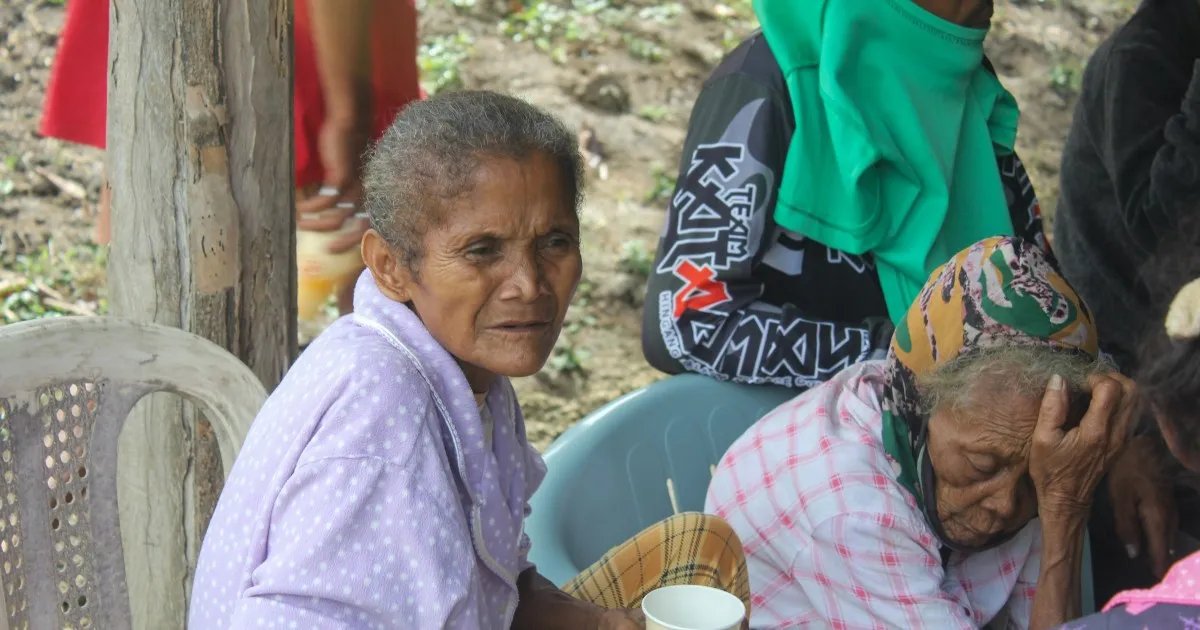
Recently, community members gathered under makeshift shelters, compiling genealogies and sharing their histories in the hope of substantiating their claims that their presence in the area predates colonization. Their claim covers 17,000 hectares, overlapping significantly with the New Clark City developments.
Infrastructure Development vs. Indigenous Rights
The Philippine government had previously announced New Clark City as a solution for Manila’s congestion, branding it a “green, smart, and disaster-resilient metropolis.” Construction began in 2018, and significant infrastructure, including highways and a sports complex for the Southeast Asian Games, has already been established. However, this progress comes at a significant cost to the Aetas.
Following the construction efforts, reports from various groups indicate that hundreds of families have been displaced, some under pressure to vacate within weeks. The Bases Conversion and Development Authority (BCDA) offers meager financial compensation and has initiated housing projects, but whether these will adequately serve displaced Aeta families remains uncertain.
Challenges to Land Rights
The BCDA maintains that there has been no displacement because the Aetas lack formal legal claims to the land. The organization asserts that land ownership dates back to the U.S. military base’s establishment and claims to respect Indigenous land rights. However, many activists argue that this stance marginalizes Aeta communities.
According to the National Commission on Indigenous Peoples (NCIP), the CADT application process is rigorous, requiring proof of long-term habitation and detailed genealogical records. Despite the efforts of communities like Sapang Kawayan, their applications have languished for decades.
“Without a CADT and without genuine recognition from the government, the Aetas will continue to be treated like squatters on their own land,” warns Pia Montalban from a local rights group.
The Fight for Recognition
The Aetas are among the most historically marginalized Indigenous groups in the Philippines, relying on small-scale farming for their livelihood. A lack of reliable population data keeps many in the shadows, making it difficult for them to assert their rights effectively.
Experts, like Indigenous psychology advocate Jeremiah Silvestre, state that the bureaucratic hurdles surrounding the CADT process can be overwhelming and ultimately perpetuate systemic poverty and cultural erosion within Indigenous communities.
Concerns for the Future
As infrastructure projects progress at a breakneck pace, there are fears about the shrinking space available for Aeta communities. Activists emphasize that without government acknowledgment, many families may face homelessness and increased poverty.
“We’ll have to move and move,” lamented Victor Valantin, an Indigenous Peoples Mandatory Representative, reflecting on the challenges that lie ahead for the Aetas.
Conclusion
The ongoing developments in New Clark City highlight a complex intersection between modernization and Indigenous rights. While the government’s ambitious plans aim to turn the area into an economic hub, the Aetas of Sapang Kawayan continue to fight for their ancestral land and cultural identity. As the future unfolds, the need for recognition and meaningful dialogue remains crucial.
Key Takeaways
- New Clark City is being developed to relieve congestion in Metro Manila, but it poses threats to the Indigenous Aeta community.
- The Aetas are working to secure a Certificate of Ancestral Domain Title to protect their land rights amidst rapid development.
- The CADT application process is challenging and lengthy, leaving many Aeta communities vulnerable.
- Without official recognition, the Aetas risk losing their homes and cultural practices as development accelerates.