

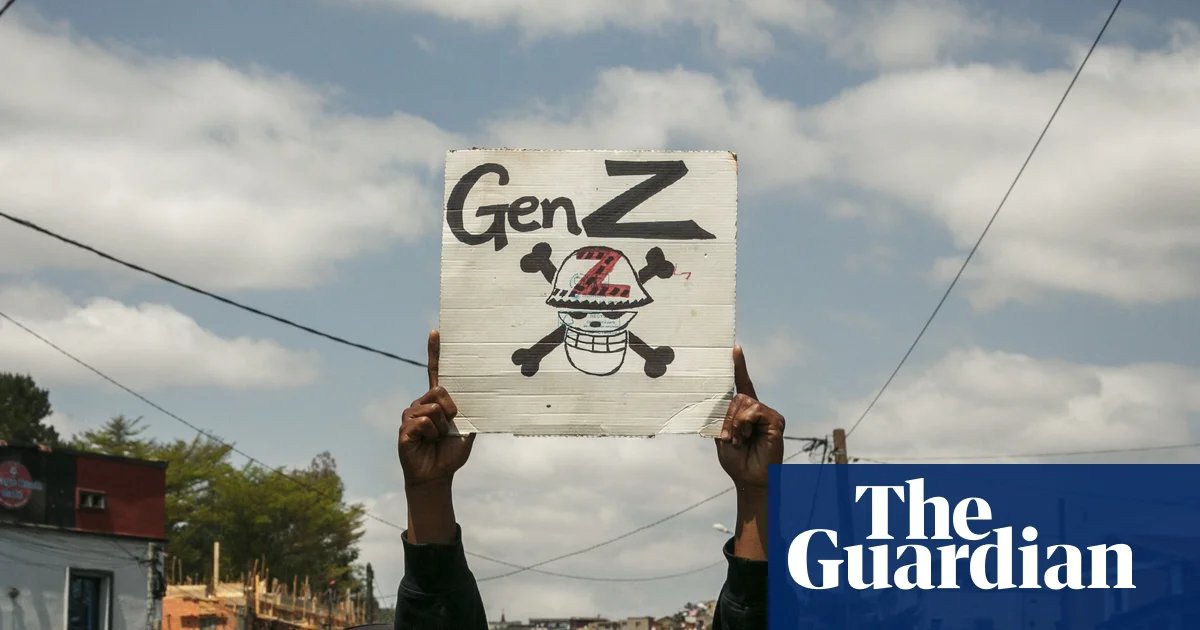
Young Voices Rise: Gen Z Unleashes a Wave of Protests Across the Globe
This year has witnessed a remarkable surge of protests led by young people in various countries, notably Nepal and Madagascar, culminating in significant governmental changes. Driven by the urgent call for reform, these demonstrations are not merely local phenomena but part of a larger wave that has taken root throughout Asia and Africa. The term “Year of the Protest” has been applied to 2025, especially following the revolution in Bangladesh in 2024, where the youth played a pivotal role in unseating the autocratic leader Sheikh Hasina. Despite mixed outcomes, the common denominator in these movements has been the reach and resolve of Generation Z.
What Sparked the Movement?
The momentum for change began on June 6 when Togolese youth flooded the streets, demanding an end to corruption under President Faure Gnassingbé’s administration, particularly following the arrest of a rapper outspoken against governmental misconduct. Among those arrested was 25-year-old Bertin Bandiangou, who, despite experiencing torture, remains steadfast in his commitment to protest for change.
Simultaneously, in Kenya, a resurgence of protests erupted, rekindling the fierce spirit demonstrated by young activists last year against tax hikes. Hanifa Adan Safia, who faced arrest during previous protests, took a stand again in June 2025 after the controversial death of a blogger in police custody, further galvanizing the call for accountability.
In Nepal, political consultant Pradip Gyawali, 25, actively participated in the protests that led to a governmental overthrow in September, fueled by outrage over corruption and the luxurious lifestyles of politicians. Likewise, in Madagascar, protests gained momentum the following month, stirred by the same frustrations over governmental corruption as voiced by transparency advocate Shely Andriamihaja, 26.
In Morocco, Imad Zoukanni, 28, joined protests sparked by tragic maternal health issues in Agadir, where multiple pregnant women died during childbirth. The grievances quickly escalated into widespread discontent with public healthcare and rising unemployment, especially as the government prioritized international sporting events over critical public needs.
‘It’s All About Corruption’
Hanifa, Kenya: Corruption exacerbates all crises, siphoning resources from crucial services like hospitals and schools. The youth’s anger is palpable; they see billions embezzled while other young people are forced to sell sweets on the streets to survive.
Shely, Madagascar: The driving force behind the protests in Madagascar is the pervasive corrupt governance. Young people suffer the most, particularly in education, where the lack of infrastructure is dire.
Imad, Morocco: The narrative revolves around corruption. The government seems focused on creating a favorable image abroad instead of investing in education and healthcare, failing to fulfill promises that resonate with real-life struggles.
‘The First Problem is Unemployment’
Bertin, Togo: Unemployment is the foremost issue facing youth today, a direct outcome of rampant corruption. Many graduates find themselves unemployed, unable to make ends meet, resorting to menial jobs that barely afford them a living.
Pradip, Nepal: Many of my peers have left for better opportunities abroad. Those who participated in the protests are often struggling to find work in their own country, particularly outside the capital, Kathmandu, where opportunities are even scarcer.
Imad, Morocco: Many educated youth are left without job opportunities in their respective fields, resulting in feelings of diminished dignity and loss of hope.
Public Services ‘Collapsing’
Hanifa, Kenya: The deterioration of public services is evident. Public healthcare and education are underfunded while taxes continue to rise, creating a profound sense of betrayal among citizens who feel they are receiving nothing in return.
Shely, Madagascar: Water and electricity shortages have plagued urban residents, exacerbated by years of neglect. Attention was diverted to unnecessary projects instead of addressing essential services.
Imad, Morocco: The public outcry was fueled by tragic lapses in healthcare, particularly the alarming maternal deaths in Agadir. The government’s focus on creating a positive international image comes at the expense of addressing critical local issues.
Solidarity Across Borders
Bertin, Togo: The global nature of these movements provides us with immense motivation. We are encouraged by youth protests in other countries and feel a sense of solidarity. When demonstrations began in Madagascar, I reached out to offer support and positivity.
Hanifa, Kenya: In Kenya, we feel connected to a larger global phenomenon of youth awakening. The struggles we share with peers in countries like Bangladesh and Nepal unite us against corruption and socio-political injustices.
Shely, Madagascar: The events in Nepal have inspired us. Observing their courage in challenging their government encouraged us to take a stand as well. Their progress is proof that we, too, can make a difference.
Imad, Morocco: This generation shares a common desire for change. Whether in Morocco or elsewhere, our collective voice is determined to break the silence imposed by previous generations.
What Lies Ahead?
Bertin, Togo: Our immediate goal is to secure the release of all political prisoners and demand accountability from our leaders. We deserve better governance, and the systemic injustices must be addressed.
Pradip, Nepal: After our protests, the new transitional government is making strides toward elections. We hope to welcome youthful leaders who will champion our cause and reshape our country’s future.
Shely, Madagascar: I envision a future for Madagascar where dignity and opportunity are available to everyone. Although the journey is long, the recent protests signal that our steps toward change have begun.
- Mass protests in several countries have led to significant political change, driven by youth activism.
- Corruption and unemployment are central issues motivating protests among Generation Z in various regions.
- Activists from different countries express a strong sense of solidarity and connection through their shared struggles for justice and equity.
- The protests reflect a desire for systemic change in governance, public service reform, and improved opportunities for young people.