

US Targets Venezuelan Company Amid Rising Tensions with Iran
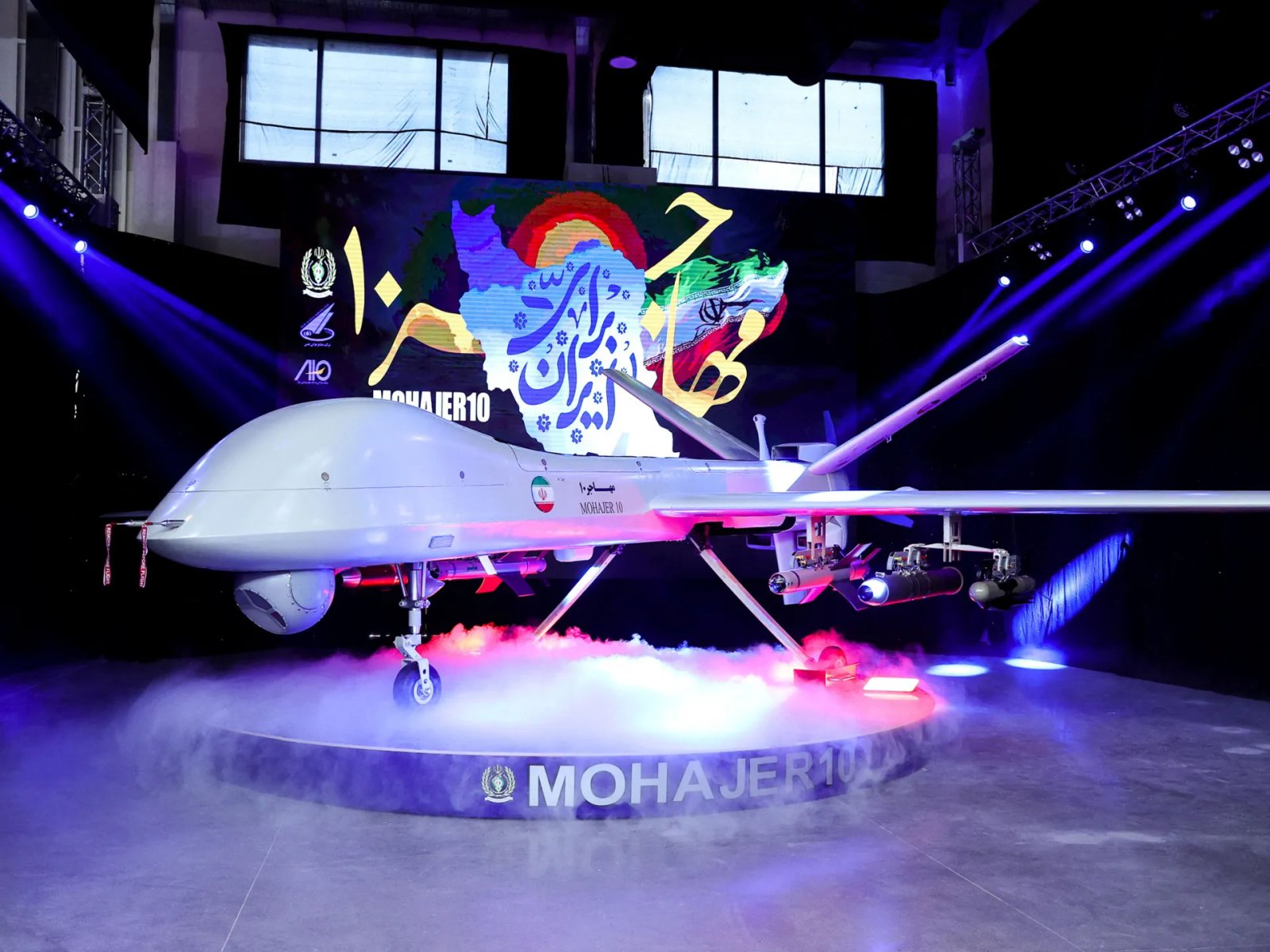
Amid escalating conflicts with both Tehran and Caracas, the United States has imposed sanctions on a Venezuelan company accused of facilitating the procurement of Iranian-designed drones. This article explores the implications of these sanctions and the broader geopolitical landscape surrounding them.
Sanctions on Venezuelan Firm
On December 30, 2025, the US Department of the Treasury announced sanctions against Empresa Aeronautica Nacional SA (EANSA), a Venezuelan firm implicated in the assembly of drones sourced from Iran’s Qods Aviation Industries, which is already facing US sanctions. The Treasury’s action also included sanctions against the company’s chairman, Jose Jesus Urdaneta Gonzalez, who is accused of collaborating with Venezuelan and Iranian military representatives to produce unmanned aerial vehicles (UAVs) in Venezuela.
Accountability for Weapon Proliferation
John Hurley, a Treasury official, stated, “Treasury is holding Iran and Venezuela accountable for their aggressive and reckless proliferation of deadly weapons around the world.” The sanctions effectively freeze any assets belonging to EANSA and Gonzalez within the US and prohibit American citizens from participating in financial dealings with them.
Long-Standing Cooperation
The US has alleged that Iran and Venezuela have coordinated the transfer of drones since 2006. Iran’s Ministry of Defence has been under US sanctions since 2020 for its involvement in arms procurement and sales. Currently, the US is recognized as the leading exporter of weapons globally.
Wider Sanctions on Iranian Individuals
In tandem with the sanctions on EANSA, the US Treasury also sanctioned several individuals within Iran linked to the arms industry. This move aligns with a broader strategy to counteract Iran’s military capabilities.
Escalating Tensions
The sanctions followed warning statements from President Donald Trump regarding potential further strikes against Iran if the nation attempts to restore its missile or nuclear capacities. This rhetoric comes after a series of US and Israeli military actions targeting Iranian nuclear sites in June, amidst a temporary ceasefire.
Trump’s Stance on Iran
During a recent press conference with Israeli Prime Minister Benjamin Netanyahu, Trump stated, “Now I hear that Iran is trying to build up again, and if they are, we’re going to have to knock them down.” He emphasized a strong military response, but expressed hope that such actions would not be necessary.
Iran’s Response
Iran did not remain silent in the face of these threats, with President Masoud Pezeshkian stating on social media, “The response of the Islamic Republic of Iran to any oppressive aggression will be harsh and regrettable.”
Confrontation with Venezuela
The Trump administration’s approach towards Venezuela has also been markedly confrontational, with claims of US strikes against facilities allegedly involved in drug trafficking. Despite the lack of evidence, Trump and his administration have made assertions regarding Venezuelan oil and have accused President Nicolas Maduro of drug trafficking without substantiation.
Military Actions and Legal Concerns
In the past month, US military operations against purported drug-running vessels in the Caribbean and eastern Pacific have resulted in the seizure of at least two oil tankers off Venezuela’s coast, actions that many legal experts suggest breach both US and international law. Venezuela has condemned these actions, labeling them as acts of “piracy” and accusing the Trump administration of attempting to destabilize Maduro’s government.
Conclusion
The sanctions against EANSA reflect a broader strategy by the US to curb the military partnerships between Iran and Venezuela. As tensions mount, the international community will be watching closely to see how these geopolitical dynamics evolve in the coming months.
- The US has sanctioned a Venezuelan firm for acquiring Iranian drones.
- Sanctions freeze all US assets linked to the firm and its chairman.
- Iran and Venezuela have allegedly coordinated drone exchanges since 2006.
- The Trump administration’s military actions in Venezuela raise significant legal questions.