

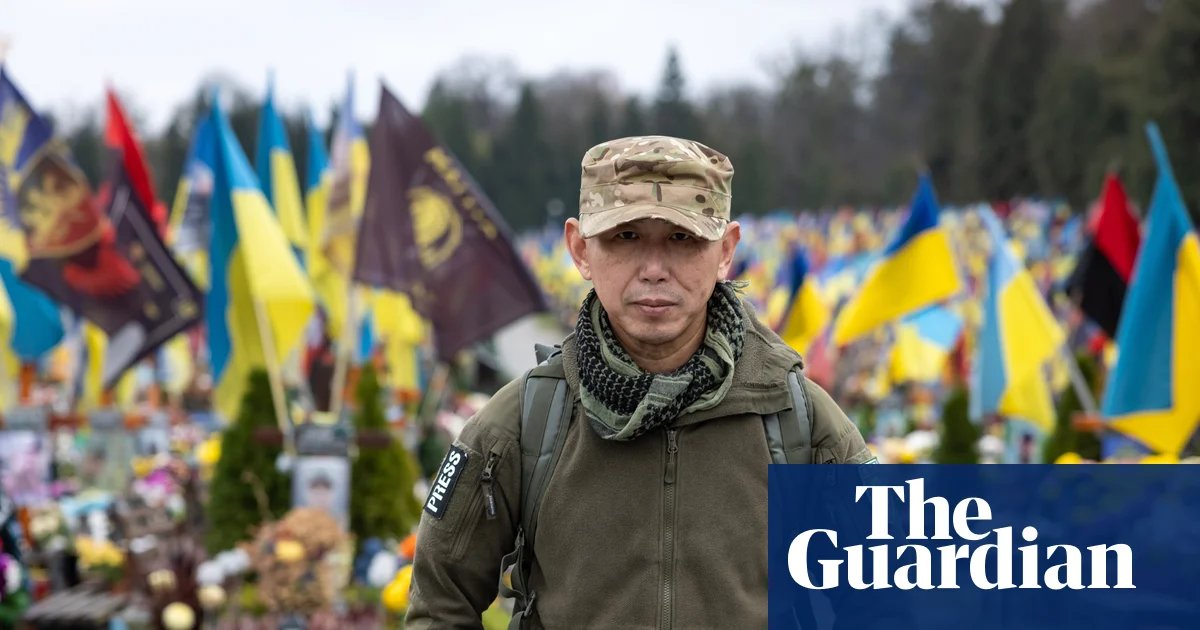
The Symbol of Solidarity: Brother Dong and His Bubble Tea Campaign for Ukraine
In the midst of conflict and chaos, a simple beverage like bubble tea becomes a powerful symbol of solidarity. This is the philosophy driving Brother Dong, a Chinese-German volunteer in Ukraine, who brings hope and support amid the turmoil.
A Journey of Compassion and Courage
Brother Dong, a 52-year-old former officer in China’s armed forces, travels each month from his home in Frankfurt to Berlin to collect tapioca pearls. His mission doesn’t stop there; he then drives across Poland to deliver them to Ukraine, demonstrating his commitment to support a nation deeply affected by war.
Using a pseudonym for his safety, Brother Dong stands out as one of the few Chinese volunteers in Ukraine. He views these tapioca pearls as a way to express solidarity with a country under siege by China’s major ally. Many other Chinese individuals in Ukraine share a similar sentiment, driven by a deep-seated distrust of authoritarian rule. With limited avenues to voice their political beliefs back home, these volunteers see Ukraine as a platform to advocate for democracy against dictatorship—though such actions come at a steep price, involving potential repercussions from the Chinese government.
Bubble Tea: A Bright Spot in Dark Times
Launching his first bubble tea shop in Odesa in November 2022, Brother Dong raised over $12,000 through crowdfunding, mainly from the Chinese diaspora. Now operating four “Maomi Cafés” scattered across different Ukrainian cities, he offers a selection of Asian drinks and snacks. Although these cafes are designed to be profit-generating, he admits he hasn’t seen financial returns yet.
Bubble tea, recognized as the unofficial national drink of Taiwan, has transcended its origins to become beloved across China and various parts of East Asia. Typically enjoyed as a sweetened milky tea with chewy tapioca pearls, its diverse flavors attract a wide range of enthusiasts.
The walls of Maomi cafés are adorned with the portraits of Chinese and Taiwanese volunteers, including brave souls who have lost their lives in the ongoing conflict against the Russian invasion. “We keep their memories alive so they are not forgotten,” Brother Dong emphasized during a video call. He passionately inspires young patrons with the message: “We, the Chinese, the Taiwanese, have courage in our blood, and we will help you.”
Each round trip for supplies can reach a staggering 5,000 kilometers. Alongside bubble tea ingredients, Brother Dong also brings essential items like blankets and portable heaters to sustain Ukrainians during the harsh winter. Once safely across the border into the city of Lviv, he and a dedicated team known as the “Odesa Fighting Cats” distribute the supplies throughout the war-torn regions, ensuring that his cafes serve more than just drinks; they are set up as beacons of hope during bleak times.
Facing Challenges and Misunderstandings
As Brother Dong continues his humanitarian efforts, he finds himself among a growing group of Chinese volunteers who wish to assist Ukraine despite Beijing’s apparent support for Moscow. While China claims neutrality, trade relations with Russia have surged since the war began, raising concerns about its actual position.
In occupied territories like Luhansk, reports have emerged of the establishment of Chinese businesses, including a school teaching Russian. Recent arrests of a Chinese father and son suspected of espionage further complicated perceptions of the Chinese community in Ukraine, causing increased scrutiny at borders. Volunteers, including Brother Dong and artist Du Yinghong, seek to combat these growing suspicions and forge stronger ties with the Ukrainian people.
In October, Du Yinghong, who relocated from China to Thailand, traveled to Ukraine to offer support through art. Adorned in the blue and yellow colors of the Ukrainian flag, he engages with locals and plans to open an art gallery near Kyiv to further cement his solidarity with the nation. He emphasizes the importance of the national slogan, Slava Ukraini (Glory to Ukraine) and its reciprocal response, Heroiam Slava (Glory to the Heroes), creating a sense of unity among the people.
A Shift in Perspective
Brother Dong’s journey toward activism began in the 1990s after he left the military. Residing in Germany, he worked as a tour guide while maintaining his Chinese identity. However, the COVID-19 pandemic prompted him to reassess his loyalty to the Chinese Communist Party. A personal tragedy—his mother-in-law’s death during stringent health restrictions—shook his faith in the party’s governance. “It was an absolute violation of human dignity,” he reflected. This experience fueled his desire to support those facing similar struggles in Ukraine.
Despite the risks of publicly voicing his support for Ukraine—which led to detainments by Chinese border agents—Brother Dong remains resolute. Alongside Du Yinghong, who garnered over 200 signatures for a supporting petition, they are determined to make their voices heard, advocating for justice and peace.
Now, with the protection of a German passport, Brother Dong is focused on continuing his mission to assist Ukraine. His commitment is deeply personal; he sees the plight of Ukrainian mothers and children as a mirror reflecting back to his own family, thousands of miles away.
Conclusion
Brother Dong’s efforts exemplify how even small actions—like delivering bubble tea—can resonate far beyond their simplicity. His story, along with those of other Chinese volunteers, not only provides vital support to Ukrainians but also symbolizes a collective stand against authoritarianism worldwide.
- Brother Dong drives thousands of kilometers monthly to deliver bubble tea ingredients and vital supplies to Ukraine.
- He opened multiple bubble tea shops to create community spaces and honor fallen soldiers.
- Chinese volunteers in Ukraine are supporting democracy amidst concerns about China’s allegiance to Russia.
- Brother Dong’s personal experiences with the Chinese government drive his commitment to aiding those in need.