

Mount Everest Waste Management Scheme Set to Change
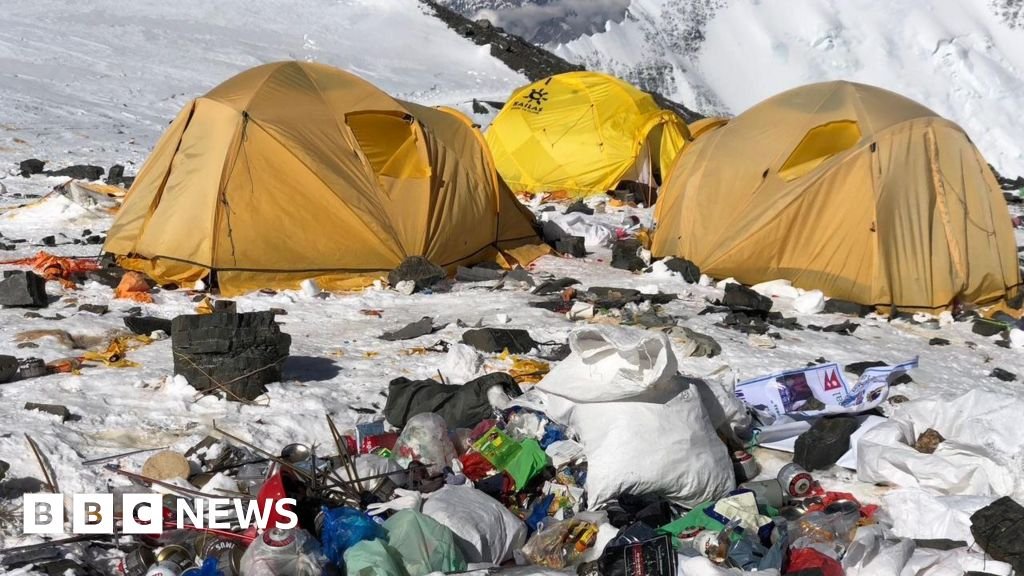
Mount Everest is renowned not only for its towering peaks but also for the environmental challenges posed by climbing expeditions. Recently, Nepalese authorities announced the discontinuation of a program designed to incentivize climbers to carry waste back down from the mountain. This decision comes after a recognition that the scheme, introduced over a decade ago, has failed to yield significant results in addressing the persistent waste issue on Everest.
The Essentially Flawed Deposit Scheme
The original plan required climbers to pay a deposit of $4,000, which was refundable only if they returned with at least 8 kilograms (approximately 18 pounds) of waste. This method was intended to encourage participants to be responsible for the trash generated during their ascent, contributing to the enormous clean-up effort needed on the mountain, which is estimated to have accumulated around 50 tonnes of refuse.
However, after eleven years, officials report that not only has the waste continued to accumulate, but the deposit system has also become overly burdensome from an administrative standpoint. Himal Gautam, the director of the tourism department, explained that while many climbers did bring back their trash, the majority of it originated from lower camps rather than the higher altitudes where the waste problem is most critical.
The Waste Dilemma: A Climber’s Perspective
Tshering Sherpa, the chief executive of the Sagarmatha Pollution Control Committee, noted that climbers typically only retrieve oxygen bottles from the higher camps, leaving tents, food packaging, and other debris behind. On average, each climber produces about 12 kilograms (or 26 pounds) of waste during their weeks of acclimatization and climbing activities.
The original scheme, albeit well-intentioned, was undermined by poor oversight. According to Sherpa, there is a significant lack of monitoring once climbers surpass the Khumbu Icefall, leaving little accountability for the waste generated further up the mountain.
A New Approach to Waste Management
In light of these challenges, Nepalese officials are crafting a new strategy aimed at significantly improving waste management on Everest. Under this new initiative, a non-refundable clean-up fee will be implemented. This fee, likely also set at $4,000 per climber, will facilitate the establishment of checkpoints on the mountain and the employment of mountain rangers tasked with monitoring climber activity and ensuring compliance with waste disposal rules.
Mingma Sherpa, chairperson of the Pasang Lhamu rural municipality, emphasized the need for such reforms. Previous vague regulations didn’t impose any penalties on climbers who failed to bring waste down. The newly established fund from the clean-up fee is expected to bolster environmental monitoring and clean-up efforts.
Future Challenges and Strategies
Jaynarayan Acarya, a spokesperson for the tourism ministry, shared insights on a broader five-year mountain clean-up plan designed to immediately tackle waste issues on the slopes. While an exact quantity of waste on Everest remains unquantified, it is crucial to consider not only rubbish but also human waste, which poses a unique challenge given the frigid temperatures that prevent decomposition.
As increasing numbers of climbers—averaging around 400 along with support staff—continue to expand their presence on the mountain, the sustainability of climbers’ activities grows ever more urgent. The advent of this new non-refundable clean-up fee may serve as a crucial step toward preserving the natural beauty of Mount Everest and addressing environmental concerns in the region.
- The earlier deposit scheme for Everest climbers has been officially scrapped due to ineffectiveness in reducing waste.
- New initiatives include a non-refundable clean-up fee aimed at improving waste management and monitoring higher camps.
- Approximately 50 tonnes of rubbish, including human waste, remain a significant issue on Mount Everest.
- The growing number of climbers raises concerns about the sustainability of mountaineering practices in the area.