

US Humanitarian Assistance Cuts: A Shift in Foreign Aid Strategy
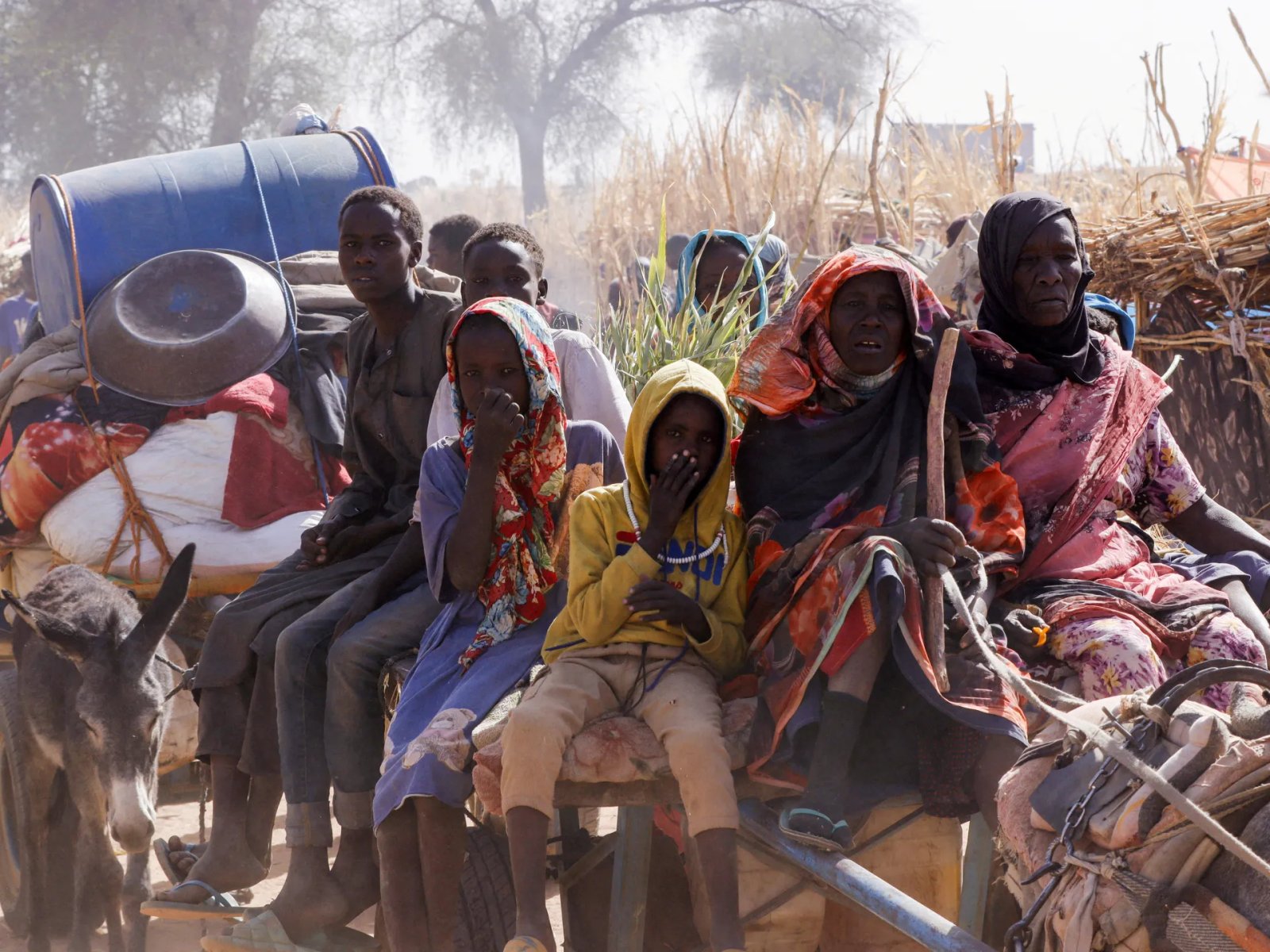
The recent announcement of the United States’ commitment to contribute only $2 billion towards United Nations humanitarian assistance marks a significant shift in foreign aid strategy. This decision highlights a drastic reduction compared to previous contributions that have reached up to $17 billion in recent years. As President Trump’s administration continues to downsize its involvement in foreign aid, this latest move raises concerns about its potential impact on vulnerable populations across the globe.
A Stark Reduction in Aid
The decision, revealed on December 29, indicates a move to target specific countries and crises rather than the broader funding that characterized past contributions. Approximately $8 to $10 billion of the historical commitment came from voluntary contributions, with the US being the leading funder for the UN.
Initial Target Countries
The allocated $2 billion will focus on 17 countries facing significant humanitarian needs, including:
- Bangladesh
- Democratic Republic of the Congo
- Haiti
- Syria
- Ukraine
Notably, Afghanistan and Palestine are excluded from this initial list. Officials have indicated that funds for Palestine will be part of Trump’s ongoing plans for Gaza.
Widespread Criticism of Aid Reductions
Critics have expressed serious concerns over the humanitarian implications of the US’s shrinking aid budget. Many argue that these cuts could exacerbate existing crises, leading to loss of life and increased hunger for millions around the world who rely on assistance for shelter and sustenance.
Global Context of Funding Shortfalls
The UN recently declared a need for $23 billion in its 2026 humanitarian appeal, acknowledging that it only received half of that amount thus far. Furthermore, the UN had warned of severe program reductions due to what it termed “the deepest funding cuts ever” in the international aid sector.
The Shift in US Foreign Aid Leadership
Under President Trump’s administration, the US Agency for International Development (USAID) has seen significant cuts, which many argue undermines the country’s historical leadership in global aid. Officials have suggested a new direction, calling for the UN humanitarian agency (OCHA) to have greater control over funding distribution.
Concerns About Increasing Humanitarian Needs
As the funding diminishes, the fallout is being felt across regions like the Middle East, South Asia, and Africa. For example, in July, the UN High Commissioner for Refugees (UNHCR) stated that over 11 million refugees would soon lack access to essential aid. This shortfall was compounded by the fact that the agency had only achieved 23% of its $10.6 billion budget target.
Furthermore, basic services for refugees, such as those of the Rohingya living in Bangladesh, faced collapse. Educational opportunities for many children were threatened due to the withdrawal of support. Additionally, predictions of a spike in HIV/AIDS deaths by 2029 have emerged as a direct result of these funding cuts.
A Broader Strategy for Humanitarian Leadership
In discussions with the Associated Press, a senior US official revealed that the $2 billion is part of a comprehensive strategy aimed at consolidating control over humanitarian funding. The administration seeks a more unified leadership structure among UN agencies to enhance efficacy in addressing humanitarian crises.
Responses to the New Aid Strategy
While some have criticized the reductions, others, including OCHA chief Tom Fletcher, acknowledge the US’s commitment through this new funding model, suggesting it could reinforce America’s position as a “humanitarian superpower.” However, the ongoing challenges in humanitarian needs remain a pressing concern as the world looks toward the future.
Conclusion
The US’s decision to reduce humanitarian assistance to $2 billion signifies a notable departure from previous foreign aid levels. As the country refocuses on targeted funding, it will be essential to monitor the implications for vulnerable populations globally and the overall efficacy of international aid efforts.
- The US will contribute $2 billion to UN humanitarian assistance, significantly lower than past contributions.
- Funding will focus on 17 specific countries facing humanitarian crises.
- Critics warn that reduced aid could lead to dire consequences for millions in need.
- The strategy indicates a shift in US foreign aid leadership and funding control within UN agencies.