

Recent Tensions: The Resurgence of China’s J-15 Fighter Jet
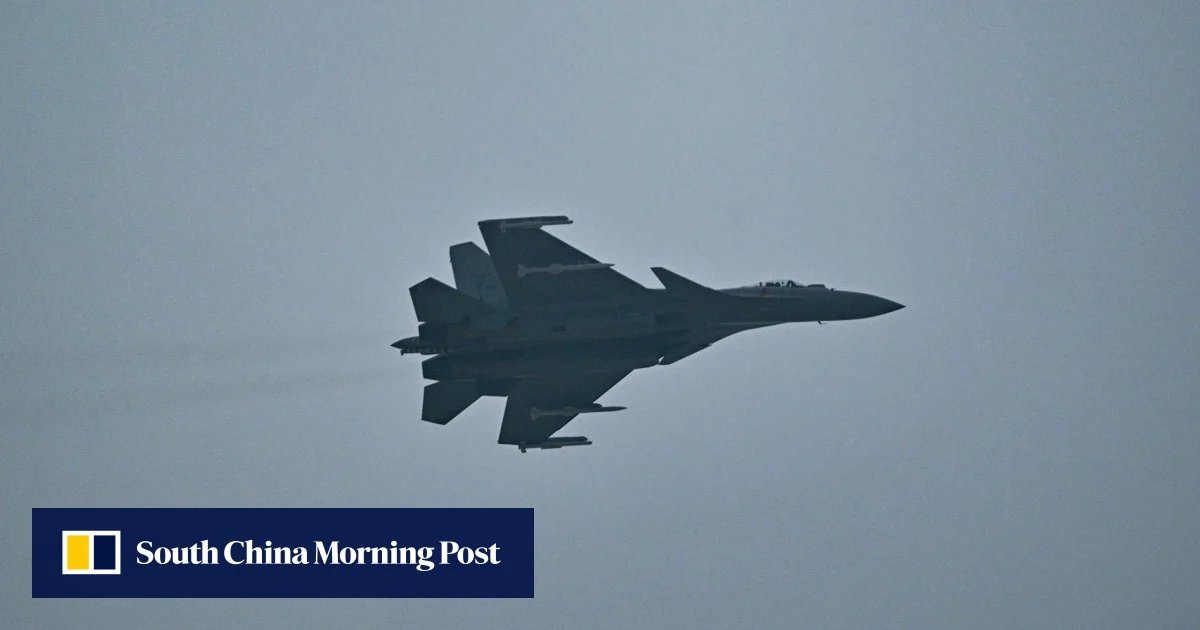
The recent escalation in military tensions between China and Japan has once again spotlighted the Shenyang J-15 fighter jet. Despite being an older model, this aircraft has recently taken center stage following an unusual confrontation near Taiwan, marking a significant moment in the region’s security dynamics.
The Incident Near the Miyako Strait
An intriguing stand-off occurred earlier this month between Chinese and Japanese fighter jets near the Miyako Strait, a critical maritime corridor to the northeast of Taiwan. The J-15, which has been operational for over a decade, was involved in a high-profile engagement with Japan’s F-15 jets during this incident.
Japan’s Alarming Claims
On December 6, Japan reported that J-15 fighters, which were launched from the Chinese aircraft carrier Liaoning, actively engaged their fire control radars to lock onto Japanese F-15s. Notably, this occurred twice, with the second lock lasting for approximately half an hour. Such actions are viewed as a serious tactical maneuver, potentially indicating preparations for missile engagement.
First Public Accusation of Radar Lock-On
This situation marked the first time Japan publicly accused Chinese military aircraft of employing fire control radar, suggesting a possible weapons lock-on. Previously, in 2016, Japanese jets had also locked onto Chinese aircraft but did not formally make such accusations.
Responses from Both Sides
In response to the incident, Beijing contended that Japanese fighter jets had intruded too closely to the aircraft carrier fleet of the People’s Liberation Army (PLA), disrupting vital military exercises. Both nations exchanged accusations of provocation, further intensifying the already strained relations.
As tensions rise, it is evident that even older military technologies like the J-15 can play a crucial role in regional security discussions. The fallout from such incidents contributes to heightened vigilance on both sides and underscores the complicated nature of military interactions in the Asia-Pacific region.
- The Shenyang J-15 fighter jet has become a point of focus following a near confrontation with Japanese F-15s.
- Japan publicly accused China of using fire control radar, marking a significant escalation in military rhetoric.
- China claims Japanese jets interfered with its naval exercises, leading to mutual accusations of provocation.
- This incident highlights the complexities and tensions lingering in the Asian military landscape.