

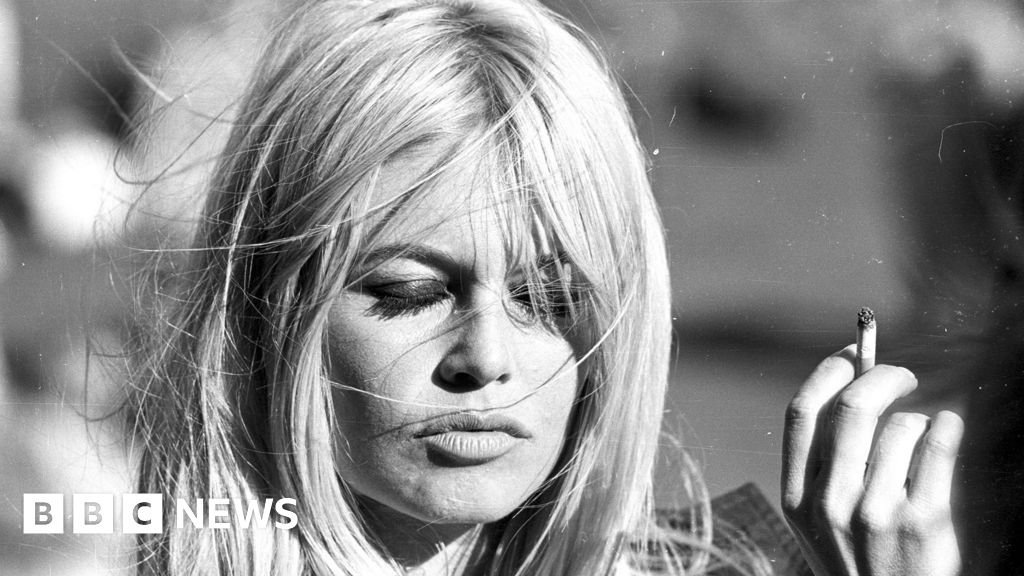
The Lasting Legacy of Brigitte Bardot
Brigitte Bardot, the iconic French actress who has recently passed away at the age of 91, left an indelible mark on the film industry, embodying cinematic allure throughout the 1950s. From her groundbreaking role in And God Created Woman to her unforgettable performances in The Truth, Contempt, and Viva Maria!, she redefined female sexuality and the notion of liberation on screen. Beyond her film career, Bardot dedicated her life to animal rights, a testament to her strong convictions.
Early Life and Career Beginnings
Born in Paris in 1934, Bardot initially trained as a ballerina. However, her striking beauty quickly caught the attention of filmmakers eager to work with her.
The Breakthrough
At just 18 years old, she married director Roger Vadim, who cast her in the film And God Created Woman. This provocative film catapulted her to global stardom, showcasing her sensual and carefree persona, and ultimately making her a sensation at the Cannes Film Festival.
Becoming a Global Icon
Throughout the late 1950s and into the 1960s, Bardot became a remarkable phenomenon. Her roles in The Truth, a film that revealed her dramatic depth, and Contempt, directed by Jean-Luc Godard, cemented her status as a cinematic powerhouse. She also exhibited her comedic talent in Viva Maria!, sharing the screen with Jeanne Moreau. Bardot’s signature tousled hair and bold eyeliner not only set global fashion trends, but also solidified her identity as a leading figure in cinema.
Exploring Versatility
Beyond her most iconic roles, Bardot displayed remarkable versatility in films like Love on a Pillow, where she took on a complex emotional character, and Two Weeks in September, a romantic drama that underscored her vulnerability. In The Bear and the Doll, she brought a playful charm to a comedic role, showcasing her range and ability to engage audiences in diverse narratives.
A Shift Toward Activism
In 1973, at the peak of her fame, Bardot made the surprising decision to retire from acting at the age of 39. She redirected her passion towards animal rights, founding the Brigitte Bardot Foundation. Her dedication to campaigns against seal hunting and animal testing showcased her commitment to advocacy, marking a significant transition from film star to fervent activist.
A Quieter Life
After stepping away from the spotlight, Bardot settled in Saint-Tropez, embracing a quieter existence. Despite her distance from the film world, she retained her status as a symbol of 1960s glamour and as a pioneering voice for animal rights.
Controversies and Legacy
Unfortunately, Bardot’s reputation faced challenges later in life due to her controversial remarks, which included homophobic slurs and instances of inciting racial hatred. These actions marred her legacy, contrasting sharply with the bold, liberated image she once projected—a woman who played a crucial role in reshaping perceptions of femininity, desire, and French cinema during her prime.
Conclusion
Brigitte Bardot’s life was one of significant glamour, complexity, and transformation. As an actress, she forever changed the landscape of cinema and became a lasting icon of female empowerment. Her later commitment to animal rights further exemplified her passionate spirit, even as she navigated the complications of her public persona.
Key Takeaways:
- Brigitte Bardot was a groundbreaking actress who redefined female allure in 1950s cinema.
- She made a notable transition from screen star to animal rights activist.
- Bardot’s legacy is marked by both her cinematic achievements and later controversies.
- Despite her mixed reputation, she remains a symbol of female empowerment and passion.