

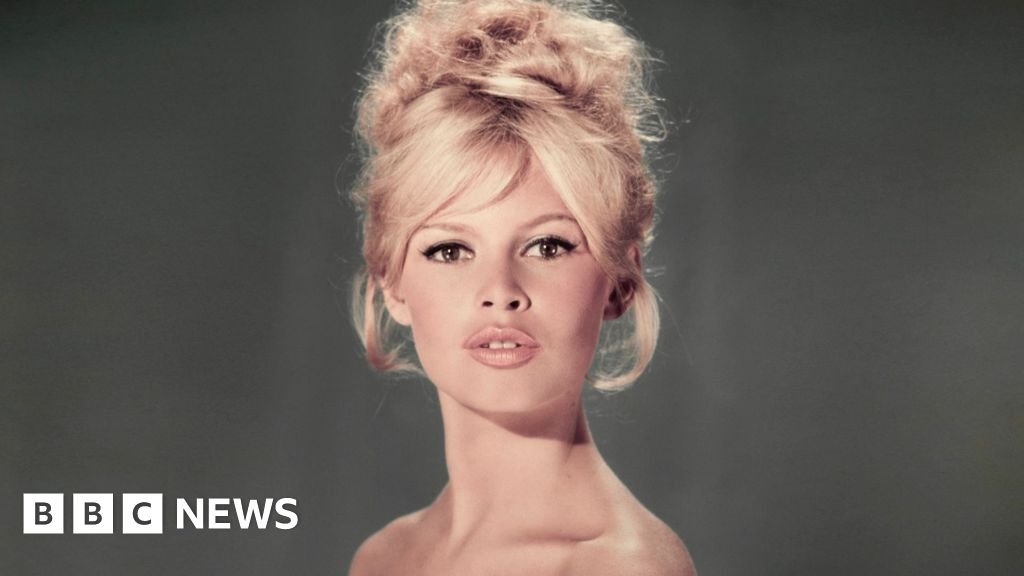
The Legacy of Brigitte Bardot: A Star’s Journey Through Fame and Controversy
Brigitte Bardot, who recently passed away at the age of 91, revolutionized the perception of women in film during the stolid 1950s, embodying a shift towards sexual freedom and self-expression. With her captivating charm and undeniable allure, she became synonymous with a new era of femininity, despite feeling trapped by the sex symbol image that marketing imposed upon her. This article delves into her remarkable journey from a celebrated actress to a passionate animal rights advocate, marred by controversies that overshadowed her legacy.
From Ballet Dreams to Icon Status
Born on September 28, 1934, in Paris, Brigitte Anne-Marie Bardot spent her formative years in an affluent household. Her devout Catholic parents held high expectations for their children and sought to mold Brigitte into a ballet dancer. As the Nazis occupied Paris during World War II, she turned to dancing in her home, tapping into an art that would later define her creative expression. Her mother recognized her talent, enrolling her in ballet lessons from the tender age of seven.
Defining a New Style
Despite her ballet background, Bardot felt stifled by conventional norms. By 15, she was already yearning for something beyond her privileged upbringing. A family friend encouraged her to model for the cover of Elle, launching her into the limelight with stunning photographs that captured the essence of youth and vitality. Unlike her contemporaries who adhered to more restrained styles, Bardot personified a modern aesthetic, embodying a free spirit with flowing hair and a sporty physique.
A Passionate Affair with Cinema
Her burgeoning fame caught the attention of movie director Marc Allegret, who sent his assistant, Roger Vadim, to find her. Although initial screen tests didn’t pan out, a romance blossomed between Bardot and Vadim, who became both her mentor and a significant influence in her life. Their relationship was tumultuous but undeniably impactful.
Becoming a Star
Once she reached adulthood, Bardot and Vadim wed, with a lavish ceremony that attracted media frenzy. Vadim played a pivotal role in shaping her early career, securing her minor roles in films until the 1956 release of “And God Created Woman” propelled her into international stardom. The film ignited debates across the globe, as Bardot’s portrayal of an uninhibited woman challenged traditional norms.
Life Beyond the Screen
Despite achieving celebrity status, Bardot longed for more substantial acting roles. While she became the highest-paid actress in France, her dissatisfaction with her career led to strained relationships, including a tumultuous marriage with actor Jacques Charrier, which only deepened her struggles with motherhood.
A Shift Toward Advocacy
After nearly 50 films, Bardot made a dramatic pivot in 1973, retiring from acting to dedicate herself to animal welfare. Through her foundation, she successfully raised substantial funds for various animal rights initiatives, showcasing a passion that emerged from her desire to give back after a life spent in the public eye.
Controversial Later Years
Despite her commitment to animal rights, Bardot’s later life was marred by controversy due to her inflammatory remarks about race and sexual orientation. Her statements earned her legal battles and fines, cementing a public image that diverged sharply from the liberated icon of her youth. Whether criticizing religious practices or making controversial comments about immigrants, Bardot often found herself at odds with a society that once idolized her.
A Complex Legacy
Through her journey, Bardot transitioned from a beloved figure representing freedom and modern femininity to a polarizing personality involved in political discourse. Despite her troubled end, marked by reclusiveness and legal troubles, her initial contributions to cinema and animal rights continue to resonate.
Conclusion
Brigitte Bardot’s life encapsulates the struggles of navigating fame, personal fulfillment, and public scrutiny. She transformed an entire era of cinema but also faced the ramifications of her choices in later years. Her legacy is a complicated tapestry of beauty, art, and controversy that highlights the duality of celebrity life.
- Brigitte Bardot revolutionized women’s roles in cinema in the 1950s.
- She transitioned from a celebrated actress to a committed animal rights advocate.
- Her later years were shadowed by controversy due to her public remarks.
- Bardot remains a complex icon, representing both liberation and polarizing views.