

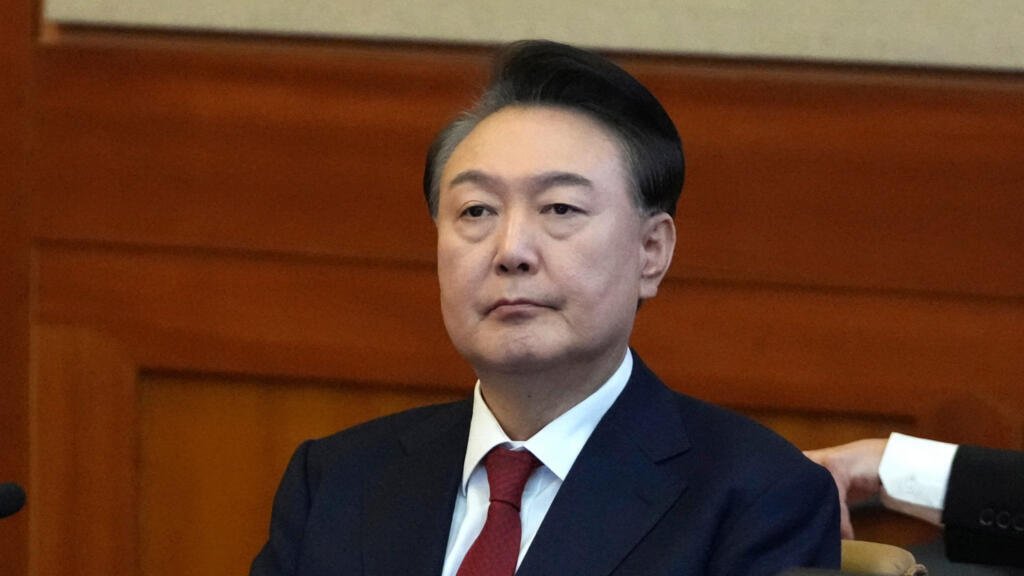
Prosecutors Seek Ten-Year Sentence for Former South Korean President Yoon Suk Yeol
In a significant development, South Korean prosecutors have called for a ten-year prison sentence for former President Yoon Suk Yeol. The charges revolve around allegations that he obstructed justice through his controversial attempt to impose martial law during the turbulent winter months. This decision comes on the heels of widespread protests and a prolonged period of political instability in the country.
Background of the Case
The situation began last winter when Yoon allegedly sought to enforce martial law amid growing unrest. His actions raised serious concerns regarding civil liberties and the proper conduct of governance, leading to accusations that he disregarded legal protocols in favor of a stricter control over the populace. The move not only sparked outrage among citizens but also served to amplify dissent, resulting in massive protests across South Korea.
Consequences of Martial Law Attempt
The push for martial law created an atmosphere of fear and uncertainty, destabilizing the political landscape. As the public rallied against what they viewed as an authoritarian overreach, South Korea witnessed weeks of significant demonstrations. Protesters demanded accountability and a restoration of democratic norms, focusing the spotlight on Yoon’s leadership and decision-making process.
The Legal Proceedings
As the investigation unfolded, prosecutors meticulously gathered evidence to substantiate their claims against Yoon. They argue that his actions were not just reckless but directly undermined the judicial system, hence their request for the severe sentence. A trial is expected to bring forth further discussions about the balance between security and civil rights in South Korea.
Public Reaction
The public response to the developments has been polarized. Supporters of Yoon contend that he acted in the best interest of national security during a difficult time. In contrast, opponents argue that his approach threatened the foundation of democracy in the country. This division highlights the broader debate among South Koreans about leadership and the limits of governmental authority.
Conclusion
The call for a ten-year sentence marks a pivotal moment in South Korean politics. As the nation reflects on the actions of its former president, the case ultimately underscores the ongoing struggle between authority and individual rights in a modern democracy.
- Prosecutors demand ten-year imprisonment for ex-President Yoon Suk Yeol.
- Yoon is accused of obstructing justice during an attempt to impose martial law.
- The controversial decision led to extensive protests and political instability.
- The case highlights ongoing debates about security, governance, and civil rights in South Korea.