

China Imposes Sanctions on US Defense Firms Following Arms Sales to Taiwan
In a significant escalation of tensions, China’s foreign ministry has imposed sanctions on several prominent US defense companies, including Boeing, following a recent arms sales package to Taiwan approved by former President Donald Trump. This move adds another layer of complexity to Sino-American relations, already strained by trade disagreements.
Details of the Sanctions
The sanctions, announced on Friday, target 10 individuals and 20 US firms, notably including Boeing’s production site in St. Louis, Missouri. The measures will freeze any assets that these entities hold within China and prevent domestic organizations from engaging in business with them.
The sanctions come on the heels of a landmark arms sales agreement announced by the Trump administration, valued at over $10 billion. This deal includes medium-range missiles and drones, marking the largest weapons transaction in the history of U.S.-Taiwan relations.
China’s Position on Taiwan
China’s assertive claims over Taiwan, which it considers an integral part of the People’s Republic, are met with strong resistance from the democratically governed Taipei. This sensitive issue has become a major source of friction in China-U.S. relations, which are already precarious due to ongoing trade and tariff disputes.
Repercussions for Individuals Involved
The individuals named in the sanctions include the founder of defense contractor Anduril Industries and nine senior executives from other sanctioned companies. These individuals are now barred from entering China.
Impact on U.S. Defense Companies
Boeing, which manufactures fighter jets in St. Louis, has been affected by labor disputes as well, with over 3,000 union workers recently going on strike due to pay disagreements. Other companies facing sanctions include Northrop Grumman Systems Corporation and L3Harris Maritime Services.
Official Statements
A spokesperson from the Chinese foreign ministry articulated the gravity of the situation, stating, “The Taiwan issue is the core of China’s core interests and the first red line that cannot be crossed in China-U.S. relations. Any provocative actions that cross the line regarding Taiwan will result in a strong response from China.” The spokesperson urged the U.S. to halt its “dangerous” efforts to arm Taiwan.
The Legal Framework Surrounding Arms Sales
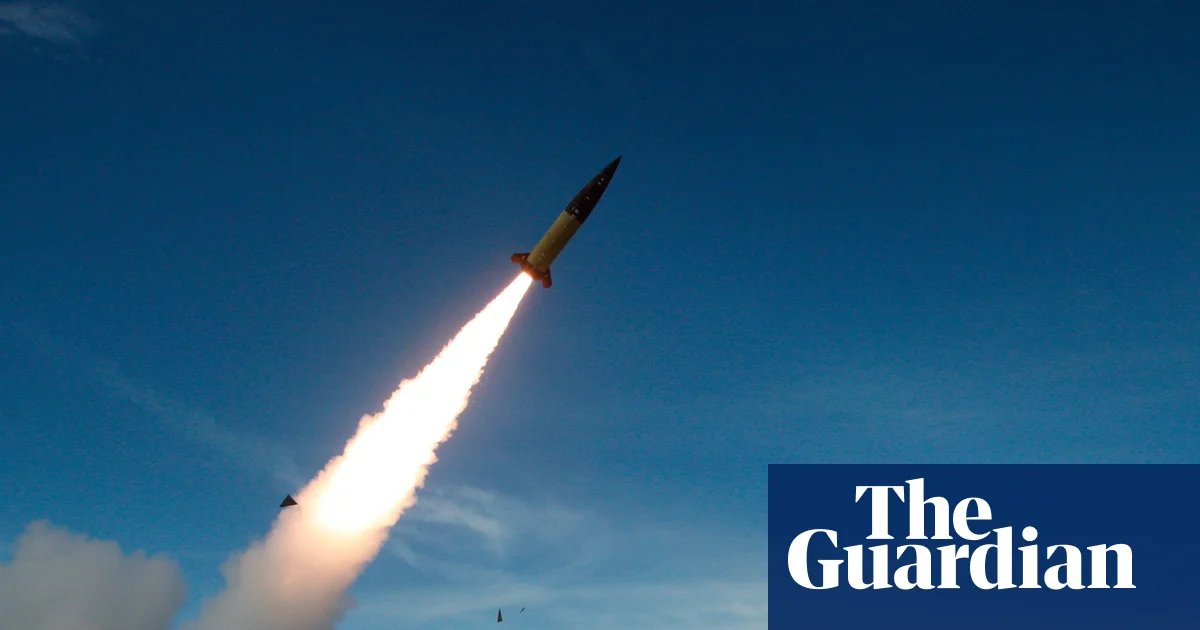
Legally, the United States is required to provide Taiwan with the means to defend itself. Nevertheless, such arms sales have consistently generated tensions with China. The latest package consists of eight arms agreements that feature 420 army tactical missile systems, comparable to those recently supplied to Ukraine amidst its conflict with Russia.
The U.S. State Department indicated that the arms sales align with “U.S. national, economic and security interests,” supporting Taiwan’s ongoing efforts to modernize its armed forces and maintain robust defensive capabilities.
REGIONAL SECURITY CONCERNS
Numerous statements associated with the agreements emphasize that the proposed sales are intended to bolster the security of Taiwan, thereby contributing to political stability, military balance, and economic growth in the region.
- China has sanctioned U.S. defense firms, including Boeing, in response to a major arms sale to Taiwan.
- The sanctions freeze assets and bar individuals from entering China.
- The $10 billion arms deal includes advanced military systems and is the largest in U.S.-Taiwan history.
- China warns that provocative actions regarding Taiwan will elicit strong responses.