

Tensions Rise Along the Tajikistan-Afghanistan Border
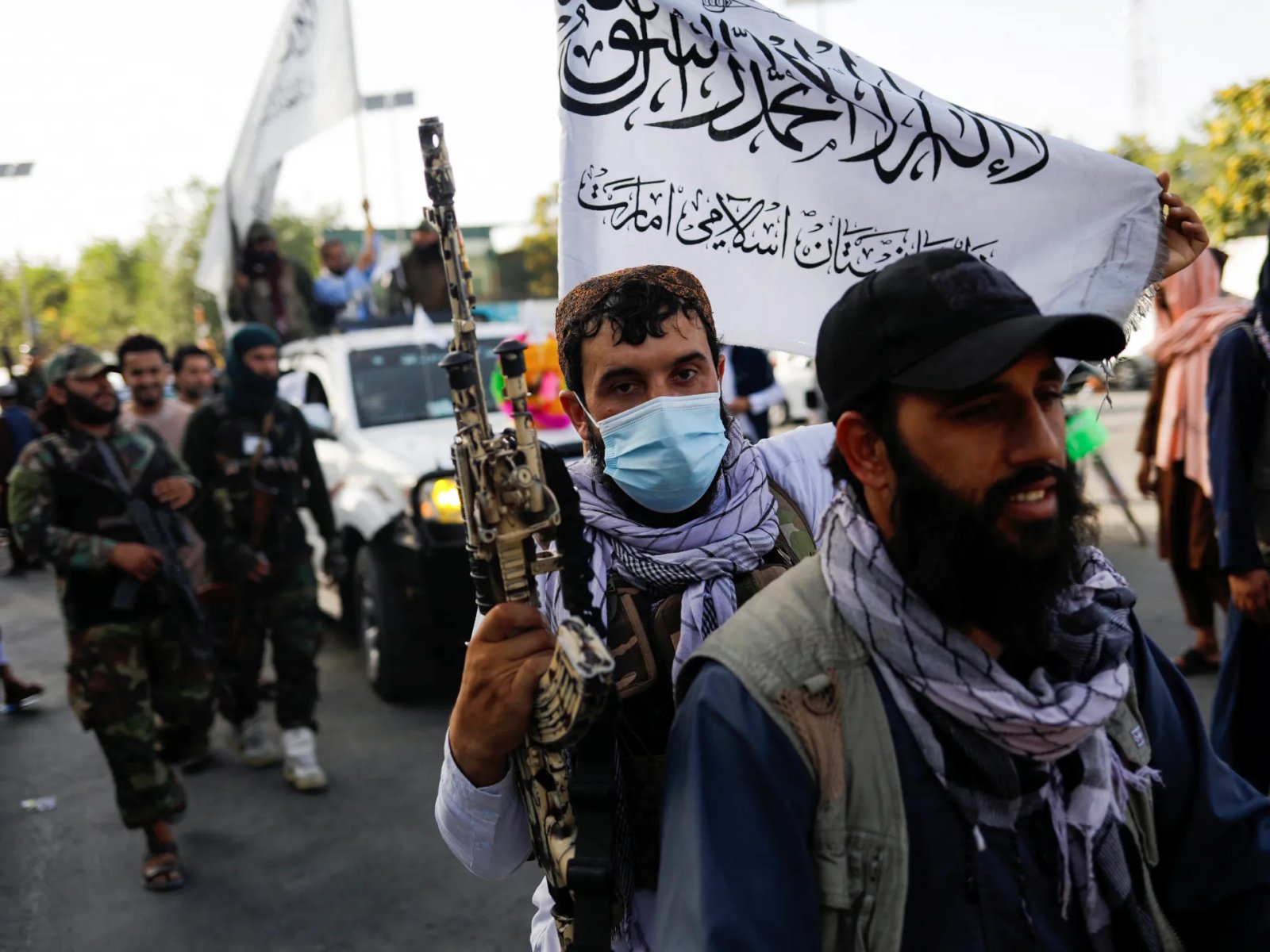
The situation along the Tajikistan-Afghanistan border has intensified recently, with multiple armed incursions reported by the Tajik government this month. This escalation is putting further strain on Tajikistan’s already delicate relationship with Afghanistan’s Taliban leadership. The violent clashes have resulted in significant casualties, including a number of victims from China, highlighting the complexities of this geopolitical flashpoint.
The Current Situation at the Border
The Tajik-Afghan border stretches along the Panj River, traversing the rugged terrain of southern Tajikistan and northeastern Afghanistan. In a communique released Thursday, the Tajikistan State Committee for National Security shared that three individuals associated with a terrorist organization crossed into Tajik territory on a recent Tuesday. A subsequent firefight on Wednesday between these individuals and Tajik border guards led to five fatalities, including the three intruders.
While specific names or affiliations of the armed men weren’t disclosed, authorities confiscated a range of weapons, including rifles and grenades, emphasizing the dangers posed by these incursions. Over the last month, Tajikistan has faced several attacks believed to have originated from Afghanistan’s Badakhshan province, stressing the pattern of instability along this critical border.
Tajik officials have condemned the Taliban’s inability to fulfill its security commitments, insisting that the government in Kabul must take responsibility for ensuring safety along the shared boundary. They are calling for an apology and effective measures from the Taliban to restore security.
The Implications for China
China’s involvement in this situation adds another layer of complexity. As Tajikistan’s largest creditor and a pivotal economic partner, China’s investments in the region are substantial, particularly in infrastructure and mining projects. Recently, two attacks targeting Chinese entities in Tajikistan resulted in the deaths of several Chinese nationals, drawing alarm from Beijing.
The Chinese government has urged Tajikistan to enhance security measures for its citizens and businesses in the region, reflecting the geopolitical significance of this border area. An explosive drone attack on November 26 targeted a Chinese mining operation, while additional armed assaults against Chinese workers occurred just days later, signaling a troubling trend.
Identifying the Attackers
While the attackers have yet to be formally identified, analysts suggest that the actions reflect those of the ISIL (ISIS) group’s affiliate in Khorasan Province (ISKP). According to observers, these attacks aim to undermine the Taliban’s reputation as a reliable security provider, potentially complicating its relationships with neighboring countries.
The Taliban’s Response
In light of the recent violence, the Taliban expressed sorrow over the loss of Chinese lives, blaming the incidents on unidentified armed groups intent on destabilizing the region. The Taliban reassured Tajikistan of its commitments to cooperation and security in light of the ongoing instability.
Addressing a police graduation ceremony, Taliban Interior Minister Sirajuddin Haqqani emphasized their dedication to the 2020 Doha Agreement and reaffirmed Afghanistan’s stance as a peaceful nation. However, contrasting reports from United Nations observers indicate the presence of several militant groups within Afghanistan, raising questions about the Taliban’s grip on security.
Historical Context of Tajikistan-Taliban Relations
The relationship between Tajikistan and the Taliban has been historically fraught with ideological differences and ethnic distrust. After the Taliban regained power in August 2021, Tajikistan was one of the last countries to resist recognizing the new regime. Diplomatic channels, however, began to reopen due to mutual economic interests and shared security concerns, albeit with lingering accusations of terrorism and drug trafficking along the lengthy border.
The increasing violence has raised alarms about emerging threats in an already volatile region, making it imperative for both countries to address the complex security landscape.
Wider Regional Relations
The Taliban’s interactions with neighboring countries vary significantly. While some nations pursue pragmatic ties, relations with Pakistan have deteriorated in light of mutual accusations over harboring militant groups. A recent series of air strikes and retaliatory measures highlighted the ongoing conflicts along that front. Conversely, the Taliban is exploring potential partnerships with India, showcasing its evolving diplomatic strategy following its rise to power.
Conclusion
The rising tensions along the Tajikistan-Afghanistan border illuminate the intricate dynamics at play in Central Asia. With increased violence and geopolitical ramifications involving major players like China, the situation requires careful observation as it continues to unfold.
- Tensions are escalating along the Tajikistan-Afghanistan border, marked by recent armed incursions.
- The clashes have led to numerous fatalities, including victims from China, prompting diplomatic concerns.
- The Taliban is under scrutiny for its ability to maintain order and security amidst rising violence.
- China’s significant investments in the region are at risk due to the ongoing instability.