

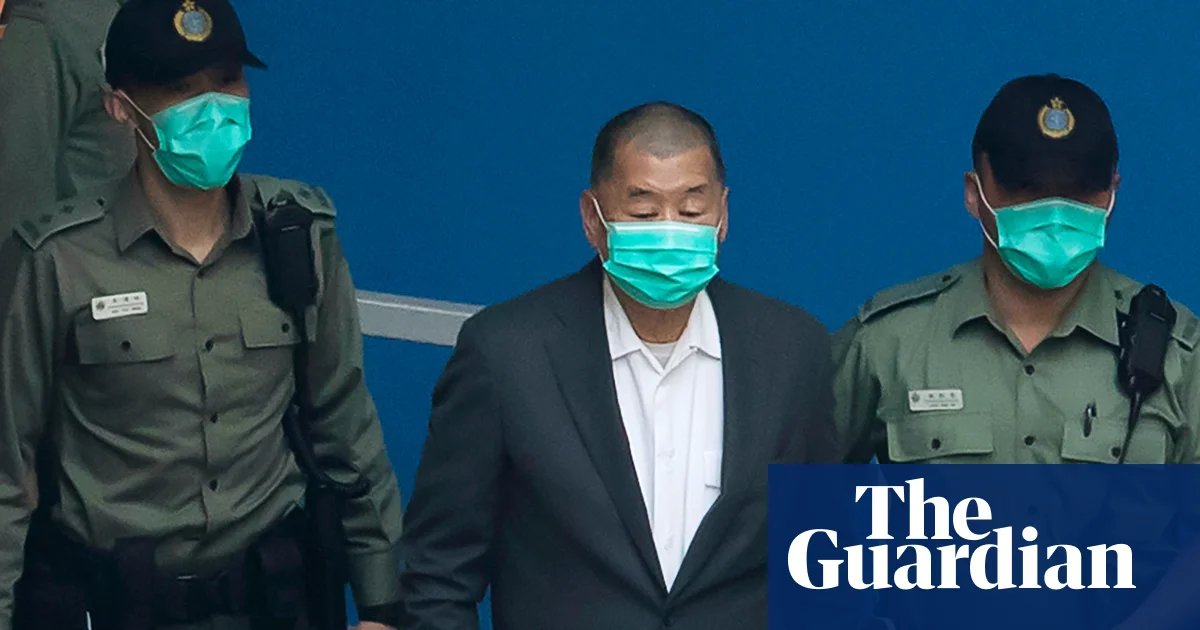
Jimmy Lai Sentenced for National Security Violations
Jimmy Lai, a prominent media figure known for his pro-democracy stance in Hong Kong, has been sentenced to life behind bars after being convicted of national security and sedition charges. This high-profile case marks one of the most significant legal decisions in the city since its return to Chinese jurisdiction in 1997.
Background of the Case
Lai’s trial has drawn international attention, given his status as a vocal advocate for democracy in Hong Kong. He founded a media outlet that has been critical of the Chinese government’s policies and practices. Over the years, Lai has become a symbol of the struggle for freedom of expression and a representative of the pro-democracy movement in the region.
Court Ruling and Implications
The ruling against Lai is a reflection of the broader crackdown on dissent in Hong Kong, which has intensified since the implementation of the controversial national security law. The law has been widely criticized for stifling free speech and limiting civil liberties, leading many to view Lai’s conviction as part of a systematic effort to suppress opposition.
Reactions to the Verdict
The conviction has sparked outrage among human rights activists and supporters of democracy, who argue that it undermines the core principles of justice and freedom that many associate with Hong Kong’s identity. Many see this ruling not only as a personal attack on Lai but also as a warning to others who might challenge the government’s authority.
Looking Ahead
Lai’s sentence has raised concerns about the future of press freedom and political dissent in Hong Kong. As the city navigates its complex relationship with mainland China, observers are closely watching how this case and others like it will shape the landscape for media and civil rights in the region.
- Jimmy Lai faces life imprisonment for national security violations.
- The trial raises significant concerns about dissent suppression in Hong Kong.
- Reactions from activists highlight the impact on press freedom.
- Future implications for civil rights and democracy in Hong Kong remain uncertain.