

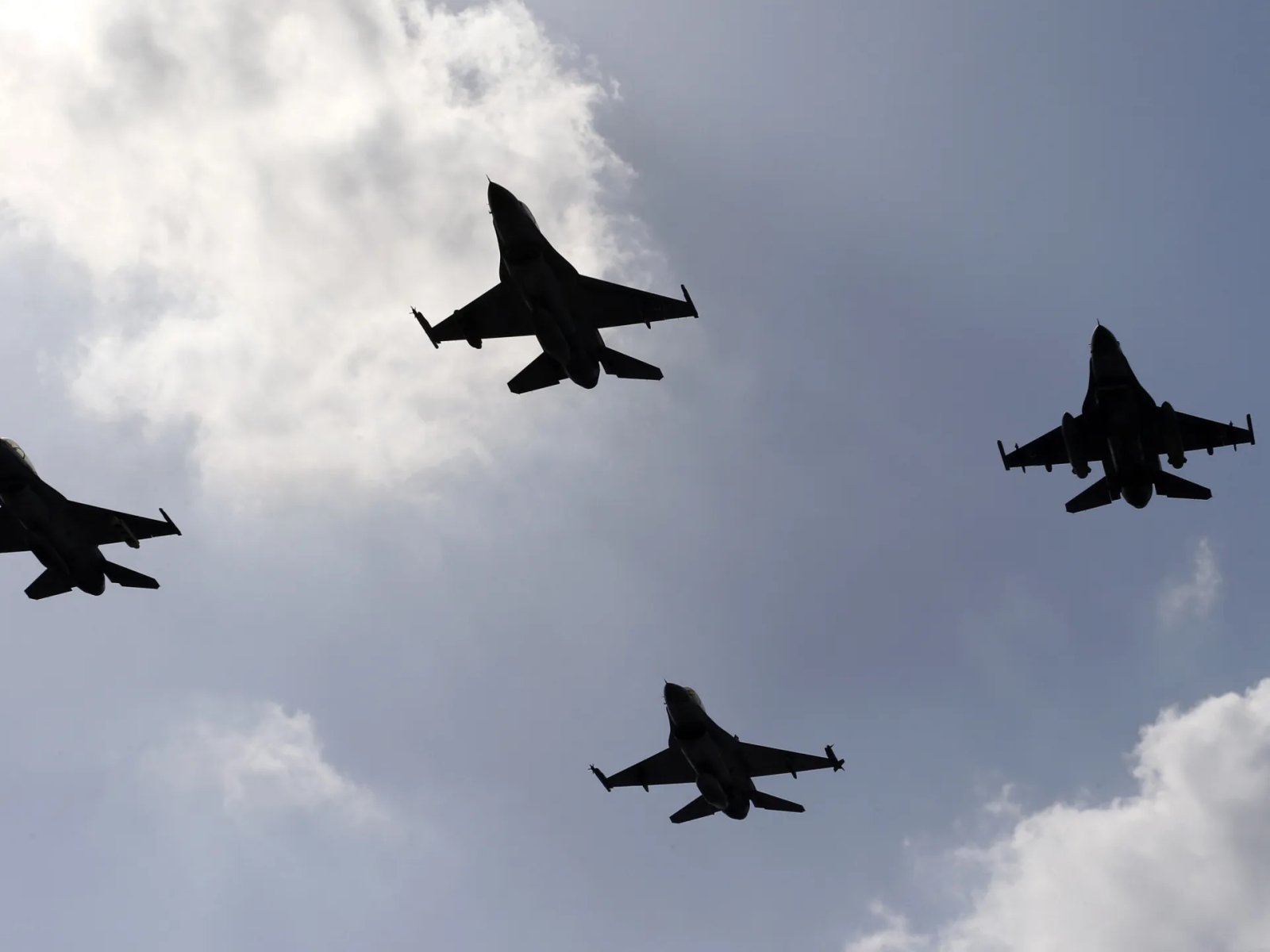
Jordan Targets Drug and Arms Traffickers along Northern Border
In a recent operation, Jordan’s military has taken decisive action against drug and weapons traffickers along its northern border with Syria. The military’s strikes were aimed at dismantling specific facilities associated with smuggling activities that pose threats to Jordanian security.
Military Strikes Target Trafficking Operations
According to reports from the Jordan News Agency, Petra, the military’s targeted strikes on Wednesday resulted in the neutralization of several individuals involved in arms and drug trafficking. These operations were executed based on reliable intelligence, coordinating with regional partners, although specific countries involved were not disclosed.
Destruction of Trafficking Infrastructure
During the operation, the Jordanian forces successfully destroyed multiple “factories and workshops” that were integral to the smuggling networks. The military reiterated its commitment to actively counter any threats to national security with appropriate force when necessary, as expressed by Petra.
Response from Syria and the Impact of the Strikes
In response, Syrian state media reported substantial airstrikes conducted by the Jordanian military in the outskirts of Syria’s Suwayda governorate. Residents of the area described the strikes as severe, particularly targeting agricultural fields and known smuggling routes. The UK-based Syrian Observatory for Human Rights noted involvement from both jets and helicopters during the aerial assaults.
Destruction Reported in Suwayda
Visual evidence from the scene indicated significant damage to an abandoned military outpost once associated with the al-Assad regime. Although initial reports did not confirm any casualties, a farm suspected of being used for drug storage was reportedly among the targets, with similar operations having been conducted previously to combat the trafficking of captagon—a highly addictive amphetamine.
Background on Captagon Production and Trafficking
Prior to the ousting of President Bashar al-Assad in December 2024, the production of captagon had become an essential source of revenue for the regime, amid the ongoing civil conflict. The synthetic drug, produced in large quantities in Syria, has flooded markets across the region, particularly affecting Gulf states, prompting neighboring countries to intensify their anti-trafficking measures.
While Damascus has denied participation in the drug trade, analysts have suggested that the captagon industry has generated billions for the Assad regime and its allies during the years of unrest, which spanned from 2011 until last year’s political change.
Conclusion
Jordan’s military actions reflect a strategic response to the ongoing challenges posed by drug and arms trafficking along its borders. With these operations, the Jordanian government aims to safeguard its national security while addressing the wider implications of smuggling activities in the region.
- Jordan’s military strikes targeted drug and arms traffickers along the northern border.
- Destruction of smuggling infrastructure occurred, based on precise intelligence.
- Strikes were reported in Syria’s Suwayda governorate, with no immediate casualties.
- Captagon remains a significant issue, linked to the Assad regime’s funding strategies.