

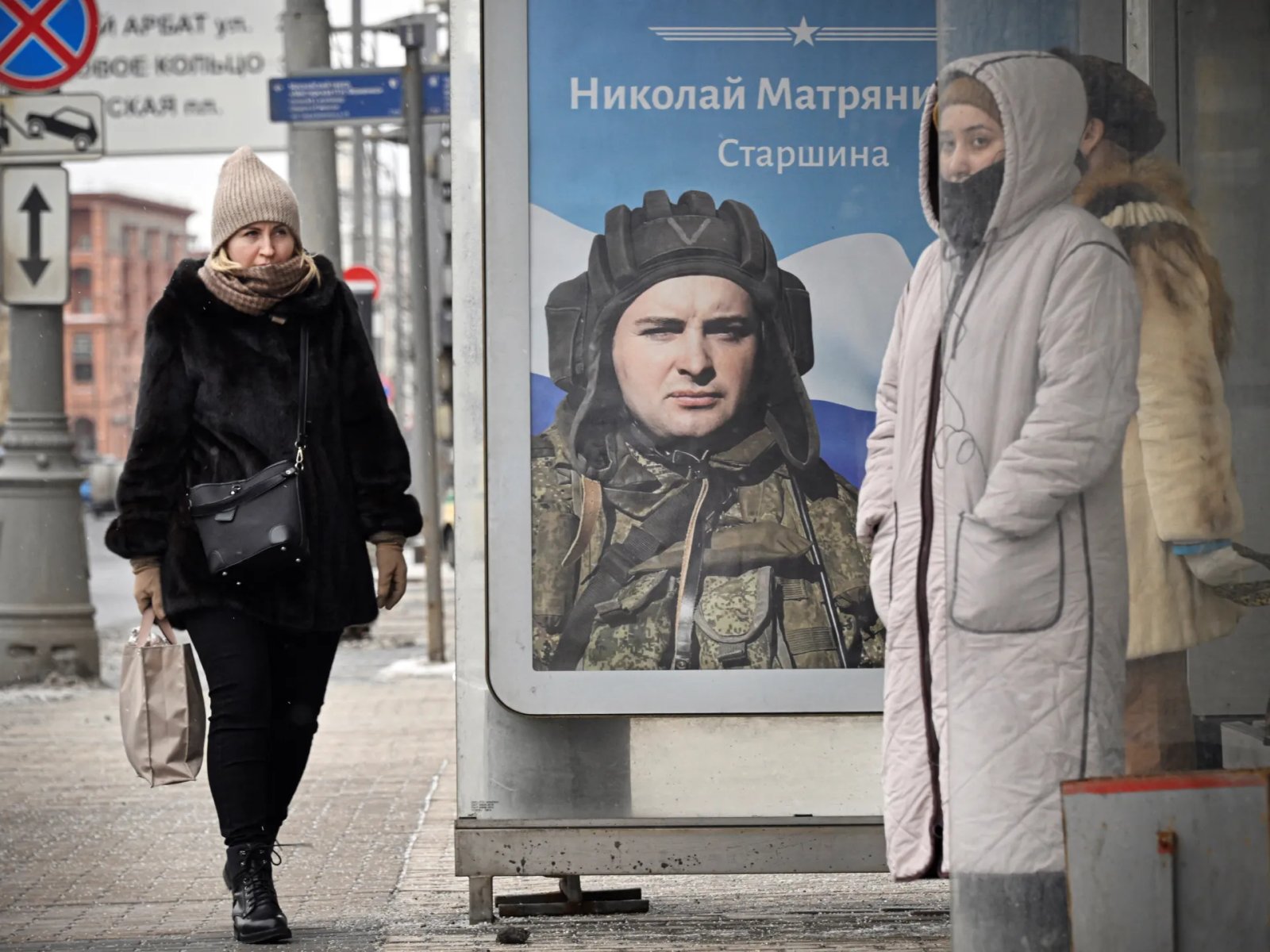
Russians Express Growing Optimism for 2026 Amid Ongoing Conflict in Ukraine
As the year draws to a close, a recent poll indicates that many Russians are hopeful that the war in Ukraine will come to an end by 2026. This optimism appears to stem from perceived military successes and intensified discussions aimed at achieving a ceasefire between Moscow and Kyiv.
Survey Insights and Public Sentiment
According to a report from VTsIOM, Russia’s prominent public opinion research center, the nation is looking ahead with increasing optimism for 2026. In their annual survey reflecting on the outgoing year and expectations for the future, a significant majority of Russians expressed the belief that the upcoming year will be more favorable.
“Traditionally, expectations for the new year are more optimistic,” the report stated. While acknowledging the persistent negative sentiments surrounding the current situation, the survey highlights a renewed belief among Russians for better days ahead, albeit cautiously.
Key Findings from the Poll
VTsIOM’s deputy head, Mikhail Mamonov, reported that 70 percent of the 1,600 individuals surveyed regarded 2026 as a potentially more “successful” year for Russia, with 55 percent connecting their hope for improvement to the possible conclusion of the ongoing “special military operation” in Ukraine.
“The main reason for optimism is the anticipated completion of the special military operation and the realization of objectives consistent with national interests set forth by the president,” Mamonov remarked during the survey presentation.
Factors Influencing Optimism
Mamonov pointed to several factors contributing to this optimism, including the continuous Russian military actions in Ukraine, the United States’ reluctance to further finance the war, and the European Union’s struggle to adequately fill the void left by U.S. support in terms of military and financial assistance. He further underscored that rebuilding Russian-controlled regions and facilitating the reintegration of military veterans into society would be instrumental following the conflict’s conclusion.
Public Fatigue and Support for Peace Talks
Measuring public sentiment regarding the war poses challenges due to stringent state restrictions on media and dissent; however, independent polling by Levada suggests that approximately two-thirds of Russians support peace negotiations—the highest support level recorded since the war’s inception in 2022.
Ukrainian President Volodymyr Zelenskyy recently indicated a willingness to withdraw troops from the eastern industrial heartland of Ukraine as part of a peace plan, highlighting the necessity for reciprocal actions from Moscow, including the creation of a demilitarized area overseen by international forces.
Negotiation Challenges Ahead
Details of a comprehensive 20-point peace plan have emerged from discussions between Ukrainian and U.S. negotiators, which may encompass similar proposals for the Zaporizhzhia nuclear power plant area, currently under Russian control. However, Russia has provided no signals regarding any potential withdrawal from occupied territories, insisting instead that Ukraine must relinquish its holdings in the Donbas region before any talks about halting hostilities can take place.
With Russian forces currently occupying most of Luhansk and around 70 percent of Donetsk, Zelenskyy emphasized that discussions related to the future of Donbas would be particularly challenging. He indicated that establishing a demilitarized economic zone in the region would necessitate intricate negotiations regarding troop repositioning and the deployment of international forces.
Zelenskyy concluded that these vital discussions should occur at the leadership level for effective resolution.
- Poll shows a majority of Russians anticipate the war in Ukraine ending by 2026.
- Optimism linked to military achievements and ongoing ceasefire negotiations.
- Public sentiment reflects a high level of support for peace talks, despite state media restrictions.
- Negotiations may focus on establishing demilitarized areas and stabilizing the Donbas region.