

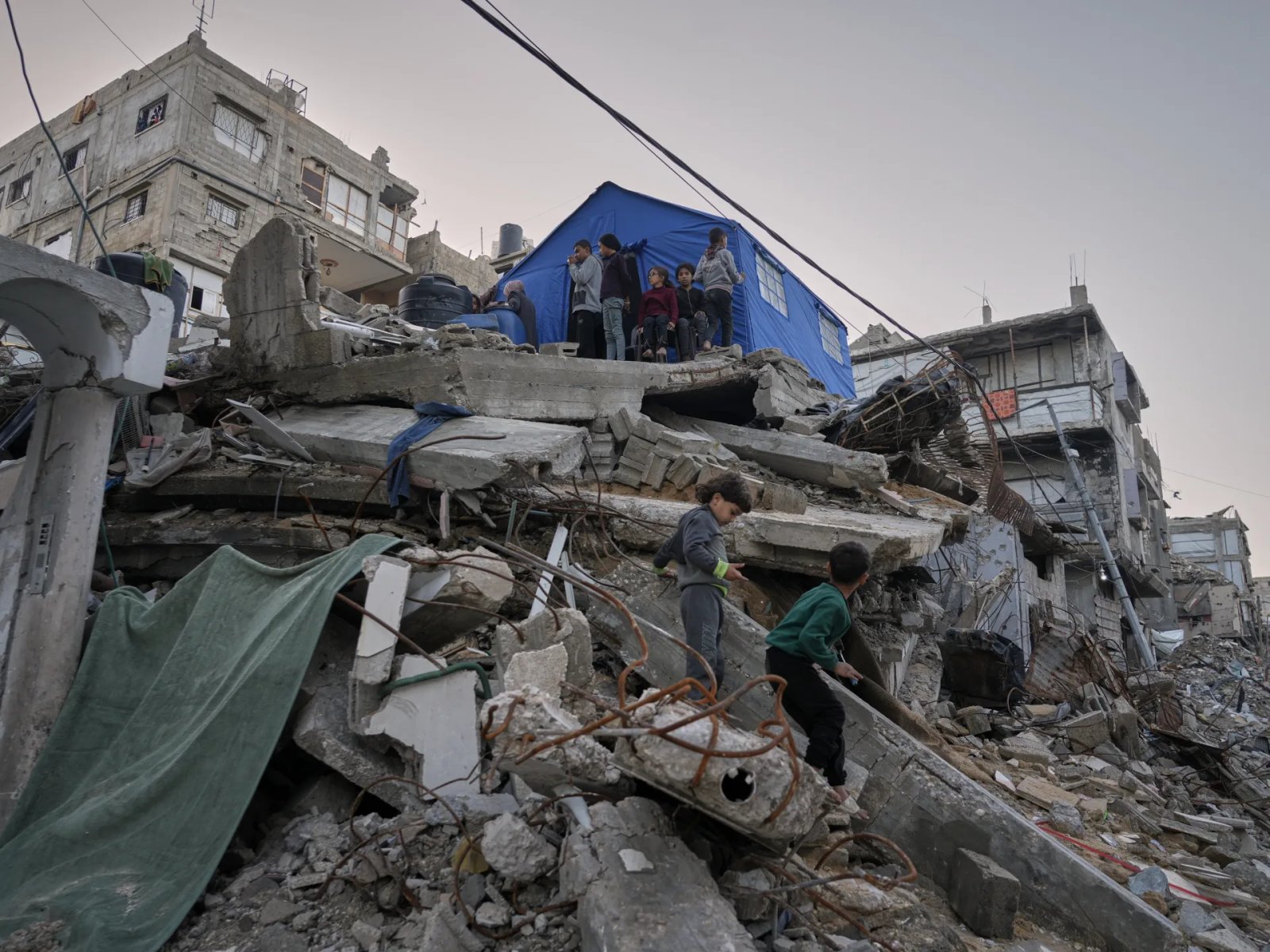
Escalating Tensions: Recent Israeli Attacks in Gaza
The situation in Gaza has taken a grim turn as Israeli forces have reportedly breached the ceasefire agreement, resulting in the death of a Palestinian and injuries to several others, including a child. This escalation comes amid ongoing threats from Prime Minister Benjamin Netanyahu, further complicating an already fragile peace process.
Recent Casualties and Attacks
On Wednesday, Ayoub Abdel Ayesh Nasr lost his life when Israeli forces opened fire on civilians in Jabalia, located in northern Gaza, injuring two others in the process. Additionally, medical sources confirmed that three individuals sustained injuries from gunfire east of Khan Younis. Central Gaza’s Maghazi refugee camp also witnessed violence, with a child shot and wounded by Israeli forces.
Violation of Ceasefire
Reports from Gaza’s Ministry of Health indicate that over 400 individuals have been killed in the territory since the ceasefire began in October. The Government Media Office of Gaza condemned Israel, claiming numerous “serious and systematic violations” of the ceasefire, noting that Israeli forces have breached it 875 times since its inception. As a result, the healthcare system is nearing collapse, exacerbated by a lack of essential medical supplies and humanitarian aid.
U.S. Peace Plan and Its Challenges
In September, President Donald Trump proposed a 20-point peace plan that included an initial ceasefire followed by steps toward broader peace. So far, only the first phase has been partially implemented, which involves a tentative release of captives and a limited Israeli withdrawal. However, ongoing violations of the ceasefire and the blockade of humanitarian assistance continue to pose significant challenges.
Recent Incidents and Military Response
An explosive device detonated in southern Gaza’s Rafah, injuring an Israeli soldier. In response, Netanyahu declared that Israel would retaliate, while Hamas denied responsibility, suggesting that the explosives may have been leftover ordnance from previous Israeli military operations. Hamas stressed that the incident occurred in an area under complete Israeli control and reiterated its commitment to the ceasefire established on October 10.
Diplomatic Efforts and Future Talks
On Wednesday, officials from Israel met with representatives from mediating countries in Cairo to discuss efforts to retrieve the remains of the last Israeli captive, police officer Ran Gvili, from Gaza. This delegation included members from the Israeli military and intelligence services. Trump’s peace plan ultimately envisions disarming Hamas and removing its governing role in Gaza, while Hamas maintains it will only disarm after the establishment of a Palestinian state—something Israel opposes.
Warnings from Hamas
Later, Hamas released a statement indicating that its chief negotiator, Khalil al-Hayya, met with Turkey’s foreign minister in Ankara. Al-Hayya voiced concerns about ongoing Israeli violations of the ceasefire, stating they hinder progress toward the next phase of peace talks. The Hamas delegation stressed that while they have met the conditions of the ceasefire, continued Israeli attacks are obstructing further advancements and noted that 60 percent of the trucks entering Gaza are filled with commercial goods instead of aid.
Conclusion
The ongoing conflict in Gaza illustrates deep-seated tensions and challenges in the peace process. With significant casualties and escalating military actions, the humanitarian situation continues to deteriorate, underlining the urgent need for effective diplomatic efforts to ensure stability and safety in the region.
- Israeli forces have breached the ceasefire multiple times, resulting in civilian casualties.
- Over 400 deaths have been reported in Gaza since the ceasefire began in October.
- The U.S. proposed peace plan faces significant roadblocks due to ongoing violence and political disagreements.
- Hamas expresses concerns over Israeli actions that undermine the ceasefire and peace talks.