

Crisis Deepens Between India and Bangladesh Following Violent Protests
The recent killing of a Hindu garment worker in Bangladesh has exacerbated the already tense relationship between Dhaka and Delhi. As the two nations trade allegations over the deteriorating diplomatic ties, the question arises: is their historically close bond now at risk of unraveling beyond repair?
Protests Erupt Amid Growing Tensions
The incident that triggered this uproar involves 27-year-old Dipu Chandra Das, who was a member of Bangladesh’s Hindu minority. Accused of blasphemy, he was brutally beaten to death by a mob in Mymensingh, located in northern Bangladesh. This violence erupted just hours before protests began in the capital, Dhaka, over the murder of student leader Sharif Osman Hadi.
Supporters of Hadi alleged that the primary suspect in his murder, purportedly linked to the Awami League — the party of ousted Prime Minister Sheikh Hasina — had fled to India, fueling anti-India sentiments in predominantly Muslim Bangladesh. However, Bangladeshi authorities have neither confirmed nor denied that the suspect escaped the country.
In light of these events, both countries have taken measures to curb tensions, including suspending visa services in several cities, such as Delhi, and summoning each other’s high commissioners to express their security concerns. Riva Ganguly Das, a former Indian high commissioner to Dhaka, expressed hope that escalated tensions could be avoided but acknowledged the unpredictable nature of the situation in Bangladesh.
Historical Context of Anti-India Sentiment
This rising animosity toward India is not a new phenomenon in Bangladesh. Many Bangladeshis have historically resented what they perceive as India’s excessive influence in their internal matters, especially during Hasina’s 15-year tenure before her recent ousting. This resentment has intensified since Hasina sought refuge in India, which has yet to respond to requests from Dhaka for her extradition.
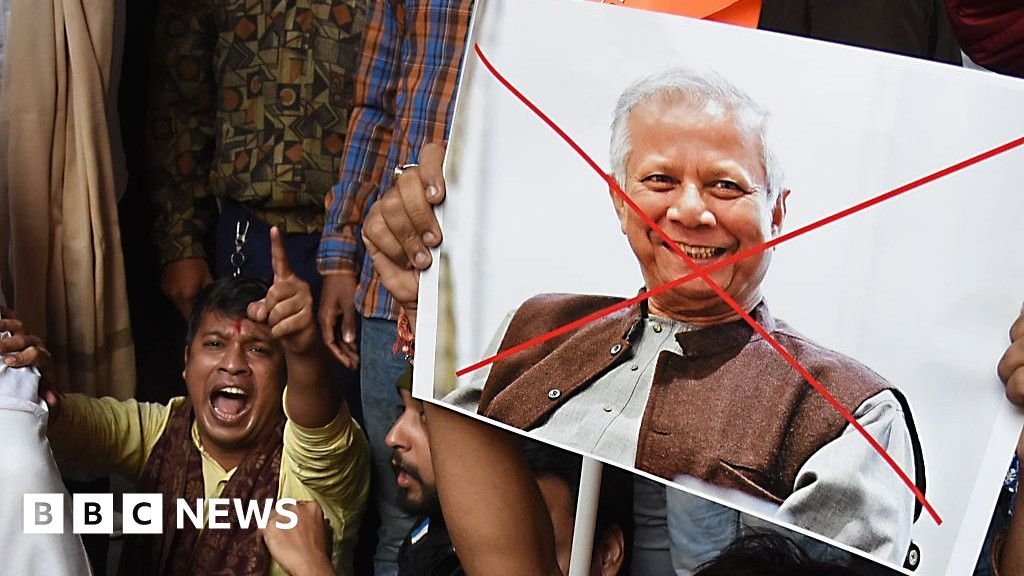
In the aftermath of Hadi’s death, numerous young leaders in Bangladesh reportedly made inflammatory statements against India. Recently, Bangladeshi security forces had to prevent protesters from marching towards the Indian High Commission in Dhaka, while a mob threw stones at the Indian assistant high commission building in Chittagong, resulting in twelve arrests, although those detained were released without charge.
The Indian side also staged counter-rallies in response, leading Bangladesh to vehemently condemn protests by Hindu groups outside its diplomatic premises in Delhi.
The Brutality of the Lynching
As details unfold about Das’s horrific lynching, anger has grown in India. After being accused of blasphemy, he was reportedly beaten, tied to a tree, and set ablaze. Disturbing videos of the act circulated widely on social media, provoking outrage on both sides of the border. In response, Bangladesh’s interim government, led by Nobel laureate Muhammad Yunus, condemned the violence and pledged that those responsible would face justice.
Despite arrests made by Bangladeshi police, analysts emphasize that this incident raises serious concerns about the safety of minorities and civil society activists in a country where fundamentalism appears to be gaining ground post-Hasina.
Instances of mob violence and radical Islamist actions have increased in Bangladesh, including the defacement of Sufi shrines and public harassment of Hindus, curbing diversity and pluralism. Political analysts warn that radical elements are dehumanizing individuals who oppose them, labeling them as pro-India and inciting violence against them.
The Road Ahead
There is growing speculation that Islamist political parties such as Jamaat-e-Islami—while the Awami League is currently banned from running—might rise to challenge the Bangladesh Nationalist Party in the upcoming elections. Concerns are mounting that hardline religious factions may exploit anti-India sentiments, leading to further violence.
Amidst a backdrop of rising anti-India rhetoric, it becomes increasingly crucial for both nations to stabilize their bilateral relations. Indian policymakers recognize that ongoing unrest in Bangladesh poses a significant strategic challenge for India, particularly in the northeastern region.
Experts agree that fostering trust is essential moving forward. Both historical context and current dynamics indicate that a strong, elected government in Bangladesh could better navigate the delicate issues at hand, aiding in mending the increasingly strained ties between these neighboring nations.
- The killing of a Hindu garment worker has triggered severe unrest in Bangladesh, straining ties with India.
- Protests and counter-demonstrations have erupted, reflecting deep-seated anti-India sentiments.
- Violent incidents highlight growing concerns for minority rights and civil liberties in Bangladesh.
- Upcoming elections could reshape the political landscape, impacting future bilateral relations.