

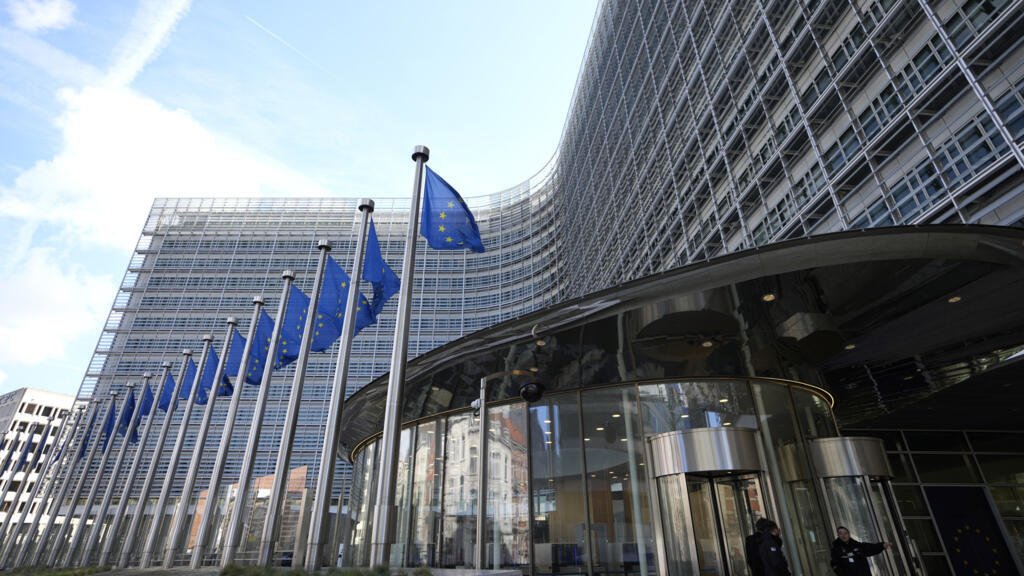
EU’s Firm Stance on Online Rules Despite US Visa Sanctions
In a recent statement by the EU’s internal market commissioner, it was made clear that the European Union would not waver in its enforcement of online platform regulations. This comes in light of new visa bans imposed by the United States on individuals associated with the Digital Services Act (DSA), a law established by the EU to regulate content moderation across social media platforms. The situation highlights a widening gap between the U.S. and Europe regarding issues of free speech and digital sovereignty.
The Digital Services Act: What You Need to Know
The Digital Services Act aims to create a safer online environment by setting forth strict rules that online platforms must follow. This law emphasizes accountability, aiming to ensure that tech companies adequately manage harmful content while upholding user rights.
US Visa Sanctions Explained
The recent implementation of visa sanctions by the U.S. focuses on individuals directly involved with the DSA. This action represents a significant response from Washington, suggesting differing views on digital regulation between the continents.
Implications for Transatlantic Relations
The escalating tension surrounding digital sovereignty and free speech indicates that both sides may need to navigate these differences more carefully. The EU remains committed to its principles, while the U.S. appears determined to voice its disapproval of those who are shaping European online regulations.
Conclusion
The clash over online platform regulations and digital sovereignty signifies a pivotal moment in transatlantic relations. While the U.S. seeks to impose sanctions, the EU stands firm in its commitment to enforce its laws, especially concerning the Digital Services Act.