

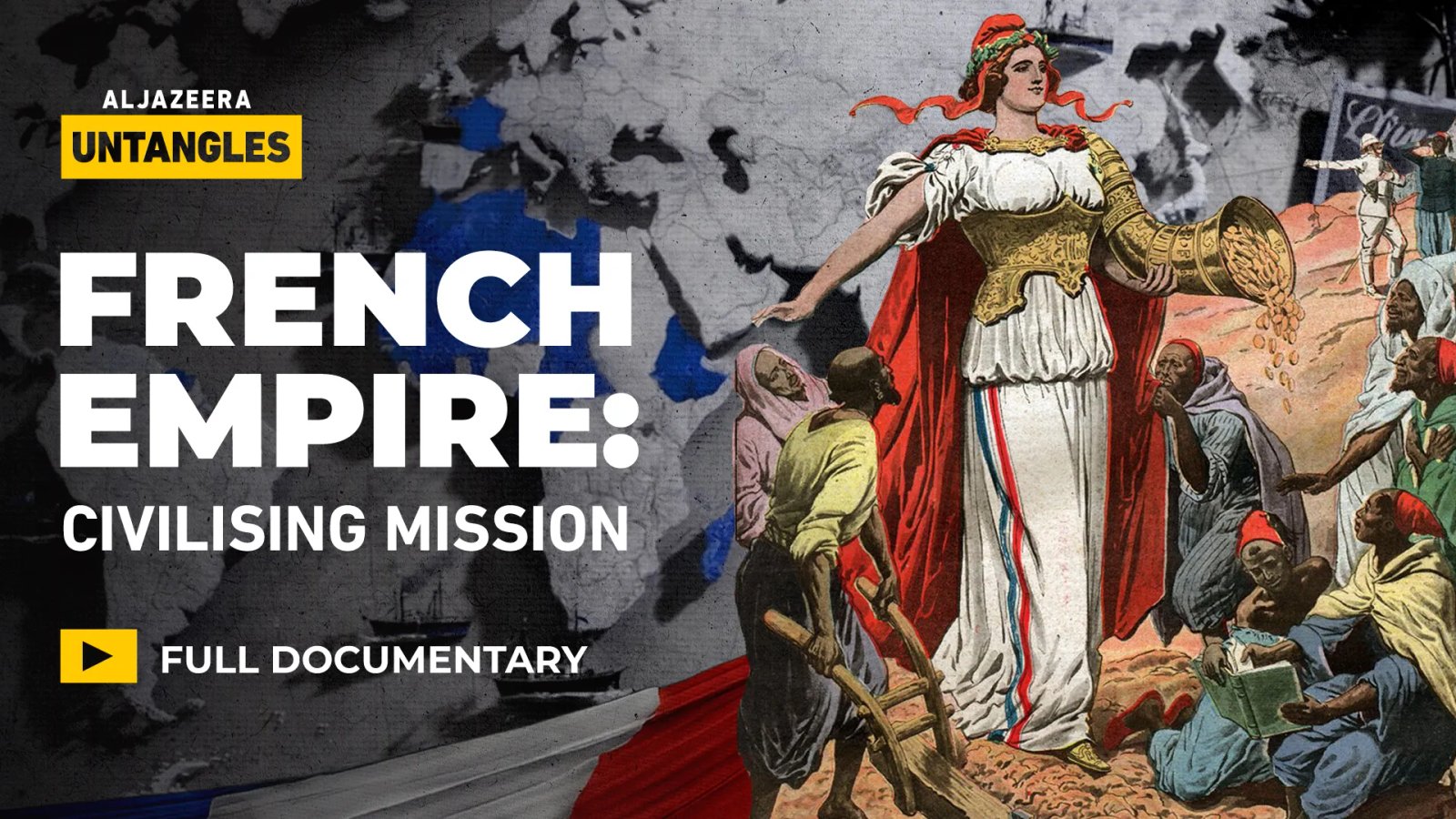
The French Empire’s Influence: Language, Education, and Cultural Integration
The legacy of the French Empire is not simply one of military might; it extends into the realms of language, education, and cultural integration. This article delves into how France wielded its power through these means and what that signifies for us today. It highlights the complex dynamics of colonial assimilation and its role in both governance and resistance.
The Mission of Civilization
Central to French colonial ideology was the “mission civilisatrice,” a belief that France had a duty to uplift colonized societies through education and the promotion of the French language. In reality, this strategy aimed to redefine the identities, loyalties, and cultures of colonized peoples, replacing indigenous customs with French standards while maintaining a tight grip on political and economic power. In this context, education, legal frameworks, and administrative systems became as essential to the empire as its military forces.
Case Studies: Diverse Experiences Under Colonial Rule
Algeria
In Algeria, the combination of settler colonialism and widespread repression sparked violent conflict. The imposition of French norms often met with fierce resistance, highlighting the deep-rooted tensions between colonizers and the local populace.
Indochina
In Indochina, the intertwining of education and bureaucracy with exploitation showcased another facet of colonial rule. Here, nationalist movements emerged as a direct response to the pressures of French domination, challenging the colonizers’ pretense of benevolence.
West Africa
West Africa’s experience with language policy and indirect rule reconfigured local governance and societal structures. The effects of these policies are still evident in the region’s contemporary social fabric.
Resistance and Confrontation
This exploration examines how various resistance movements contested the narrative of civilization that France promoted. Anticolonial actions, from intellectual movements to armed rebellion, not only weakened the empire but also forced France to confront its own contradictions and reassess its national identity.
Contemporary Implications
The documentary draws parallels between French colonial tactics and modern global influence. Like France in its imperial heyday, today’s United States relies heavily on soft power to spread its values. Through Hollywood, digital media, and global education systems, American ideals now permeate cultures worldwide, reminiscent of earlier imperial strategies.
Furthermore, ongoing discussions surrounding language, immigration, secularism, and social inequality are deeply intertwined with colonial practices aimed at classifying and controlling. Today’s state institutions and educational frameworks continue to bear the hallmarks of systems initiated during colonial times.
Conclusion
By examining how France utilized cultural influence, education, and administration as tools of governance, we can see that the echoes of colonialism resonate in today’s global landscape, affecting capitalism, inequality, and postcolonial relationships.
Key Takeaways
- The French Empire exerted control through language and education, reshaping identities.
- Resistance movements emerged as a challenge to colonial narratives of civilization.
- Modern global influence mirrors past imperial strategies, particularly through soft power.
- Contemporary issues of language, immigration, and inequality are rooted in colonial history.