

US Imposes Visa Bans on European Activists Amid Censorship Disputes
The United States has recently enacted visa bans on five individuals from Europe, including a former European Union commissioner. The government alleges that these individuals pressured technology firms to silence “American viewpoints they oppose.” This development has raised significant discussions regarding censorship and freedom of expression.
Accusations of Censorship
In a statement made on Tuesday, U.S. Secretary of State Marco Rubio described these individuals as “radical activists.” He claimed that they have contributed to foreign states’ efforts to enforce censorship against “American speakers and American companies.” Rubio emphasized on X that for too long, European ideologues have pursued systematic attempts to pressure American platforms to stifle competing viewpoints.
“The Trump Administration will no longer tolerate these egregious acts of extraterritorial censorship,” he stated.
Key Figures Targeted
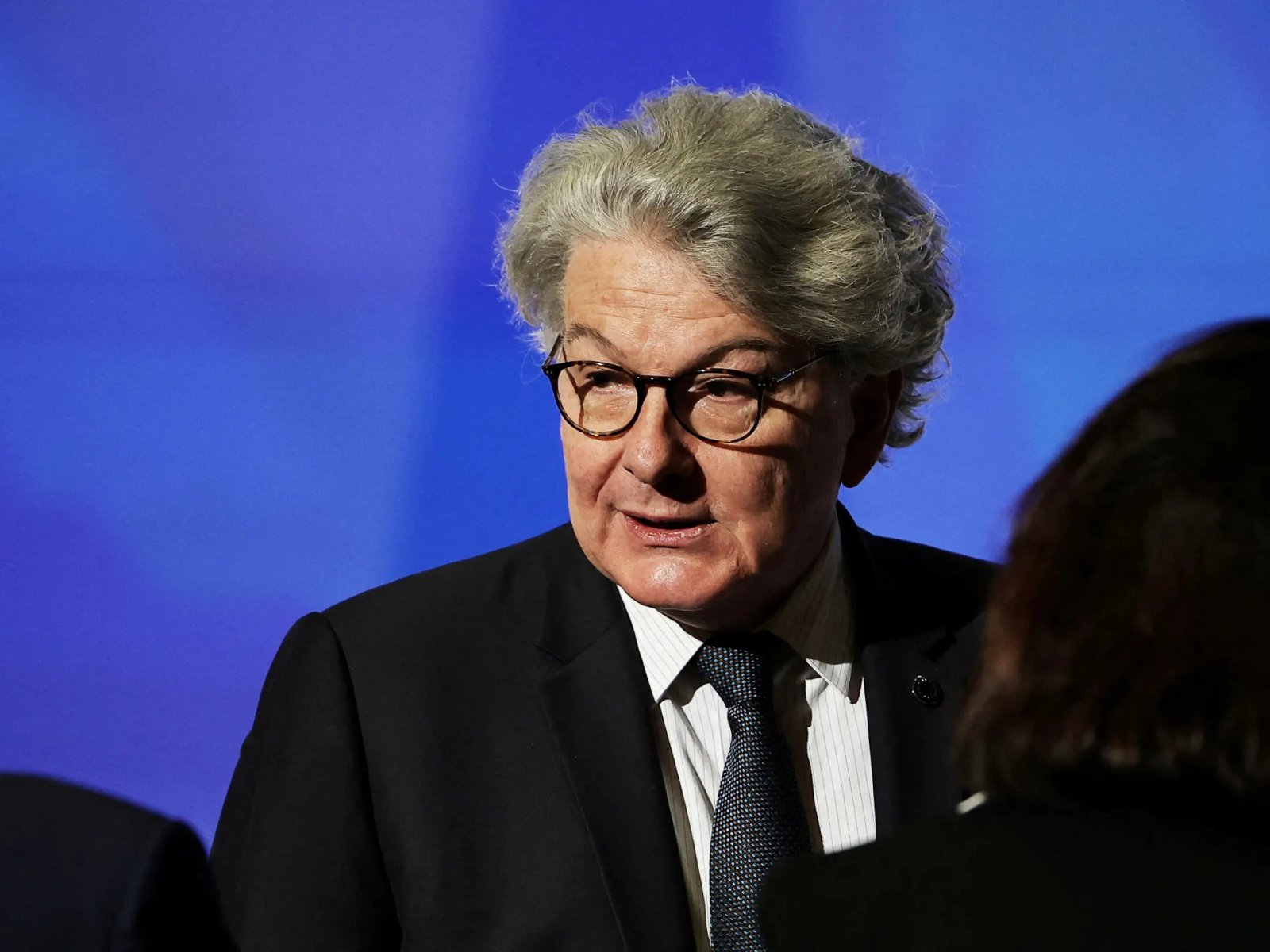
One of the most notable figures affected by the visa bans is Thierry Breton, who held the position of European Commissioner for the Internal Market from 2019 to 2024. Sarah Rogers, the Undersecretary for Public Diplomacy, characterized Breton as the “mastermind” behind the EU’s Digital Services Act (DSA), a significant legislation aimed at combating hate speech and misinformation on digital platforms.
Rogers further alleged that Breton used the DSA to intimidate Elon Musk, the owner of X and a close associate of former President Donald Trump, ahead of a critical interview Musk held with Trump during the last presidential campaign.
Reactions to the Visa Ban
In response to the visa restrictions, Breton took to X, labeling it a “witch hunt” and making comparisons to the McCarthy era in the U.S., a time characterized by the persecution of individuals over alleged communist ties. “To our American friends: Censorship isn’t where you think it is,” he remarked.
The individuals impacted also include Imran Ahmed, CEO of the Centre for Countering Digital Hate; Josephine Ballon and Anna-Lena von Hodenberg, leaders of the German organization HateAid; and Clare Melford who heads the Global Disinformation Index (GDI).
European Response
French Minister for Europe and Foreign Affairs, Jean-Noel Barrot, condemned the visa bans, asserting that the EU should not allow external entities to dictate the regulations governing its digital landscape. He reiterated that the DSA was democratically endorsed within Europe and has no jurisdiction beyond its borders.
Ballon and von Hodenberg from HateAid condemned the bans as efforts to undermine European regulations on U.S. corporations operating in Europe. They declared, “We will not be intimidated by a government that uses accusations of censorship to silence those who stand up for human rights and freedom of expression.”
Implications and Future Relations
A representative for the GDI criticized the U.S. action as “immoral, unlawful, and un-American,” describing it as an authoritarian assault on free speech. This move follows the Trump administration’s release of a National Security Strategy that accused European leaders of undermining free speech and stifling opposition to immigration policies viewed as threatening to the continent’s culture.
The DSA has become a contentious point in U.S.-EU relations, with American conservatives denouncing it as a tool for censorship, a claim that Brussels refutes. The DSA mandates that major platforms clarify their content moderation procedures, ensure transparency, and allow researchers to analyze issues related to children’s safety online.
Tensions reached a new high when the EU imposed fines on Musk’s X for breaching DSA regulations involving advertising transparency and user verification. Recently, Washington hinted at retaliatory measures against key European firms, including Accenture and Siemens, as part of its opposition to European digital policies. Additionally, the U.S. raised concerns regarding the UK’s Online Safety Act, which places similar content moderation obligations on social media platforms.
Conclusion
This situation has highlighted ongoing tensions regarding censorship and free speech in the digital world, as the U.S. and Europe navigate the complexities of regulatory frameworks. The visa bans imposed on European activists signal a robust response from the U.S. against perceived threats to American viewpoints in a rapidly evolving tech landscape.
Key Takeaways
- The U.S. imposed visa bans on five European figures linked to perceived efforts to censor American viewpoints.
- Thierry Breton, former EU Commissioner, is among the most prominent targets of this action.
- The bans have sparked a significant backlash from European officials, highlighting tensions over digital regulation.
- The DSA remains a focal point in the broader U.S.-EU discourse on censorship and free expression.