

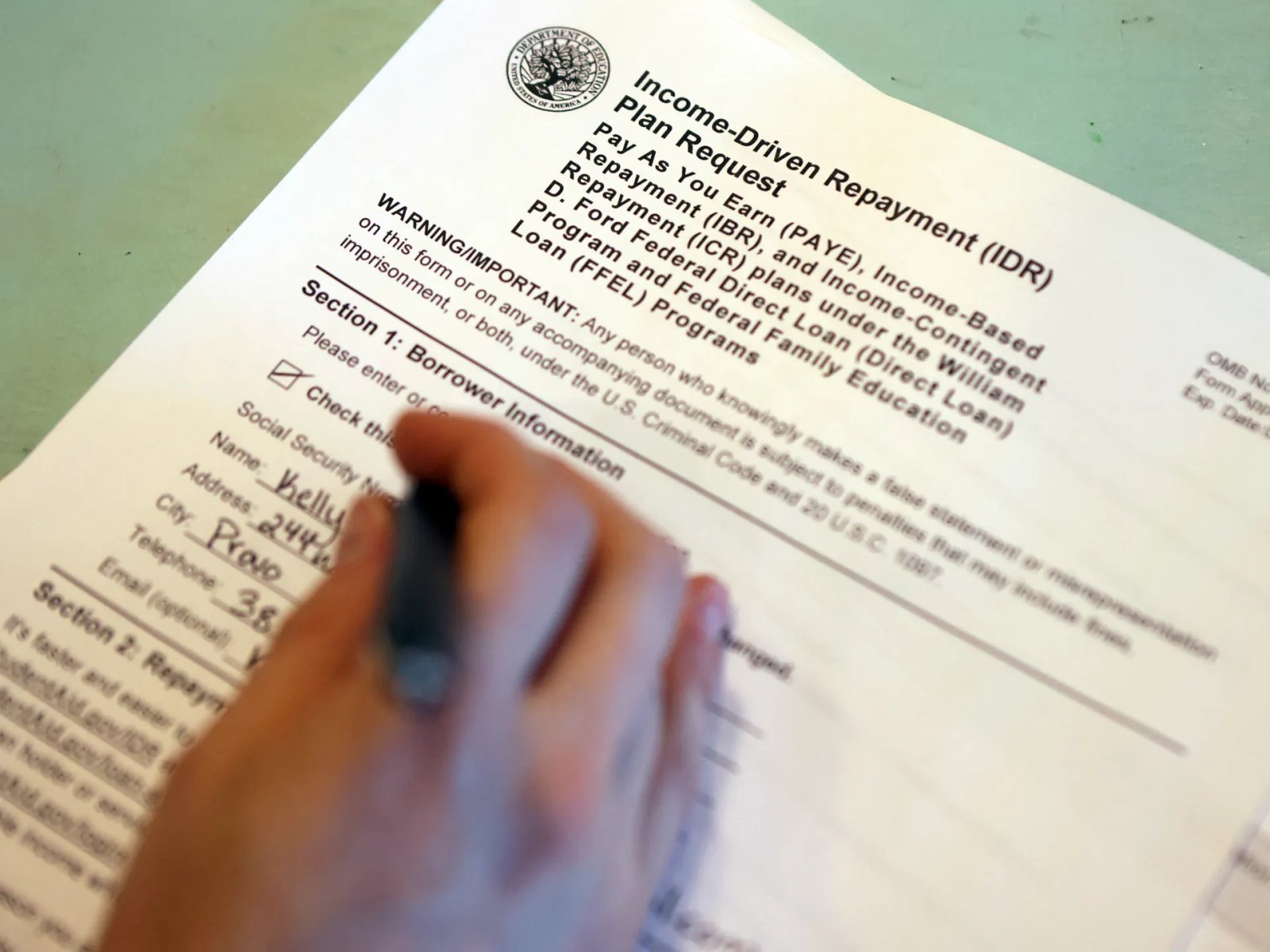
Wage Garnishment Notices for Student Loan Borrowers Starting January 7
As of January 7, borrowers with defaulted student loans will start receiving wage garnishment notices, according to confirmation from the Department of Education. This is the first instance of the federal government taking such actions since the COVID-19 pandemic began, and it marks a significant shift in how student loan debts are managed.
Details of the Program
The administration’s decision affects approximately 1,000 borrowers initially, with expectations that more will be included in the scheme over time. A spokesperson from the Department of Education noted that the volume of notices will escalate monthly.
Selection Process for Borrowers
The specific criteria for selecting borrowers for this initial phase were not detailed by the department when asked. Nonetheless, it was emphasized that borrowers, both students and parents, will only face collections after having received adequate notice and opportunities to settle their debts.
Legal Context
Under federal law, the government is permitted to garnish up to 15% of a borrower’s disposable income, ensuring that individuals retain at least an amount equivalent to 30 times the federal minimum wage per week. Notably, the federal minimum wage has been $7.25 an hour since July 2009, highlighting the long-term stagnation of this rate.
Current Landscape of Student Loan Debt
In the U.S., approximately one in six adults carries student loan debt, which collectively reaches around $1.6 trillion. As of April, over 5 million borrowers had not made a payment in over a year, as reported by the Department of Education.
Economic Implications
The timing of these garnishments coincides with growing economic challenges faced by many Americans, such as increasing prices and a slowing job market. According to consulting firm Challenger, Gray & Christmas, more than 1.1 million individuals lost their jobs in 2025 due to decreased job growth. Recent federal employment data also indicated varying job trends, with losses observed in October followed by minimal gains in November.
Rising Unemployment Rates
Moreover, the unemployment rate rose to 4.6% in October and November, the highest it has been since 2021, as reported by the U.S. Department of Labor’s Bureau of Labor Statistics. This economic pressure puts families in precarious positions, forcing them to make difficult choices between meeting basic needs and repaying loans.
Concerns from Former Officials
Critics, including Julie Margetta Morgan, the former deputy undersecretary at the Education Department, expressed deep concerns about the garnishment policy. She stated, “Families are being forced to choose between paying their bills and putting food on the table. The Trump administration’s decision to begin garnishing wages takes even that meager choice away from student loan borrowers who are living on the brink.”
This garnishment initiative isn’t limited to wages; the federal government can also withhold funds from tax refunds, Social Security benefits, and certain disability payments, further adding to the challenge facing affected borrowers.
Conclusion
The introduction of wage garnishment notices represents a significant step in the federal management of defaulted student loans, impacting thousands of borrowers. As economic uncertainties persist, the reality of repaying student loans poses a growing challenge for many Americans.
Key Takeaways
- Wage garnishment notices for defaulted student loans will start on January 7.
- Initially, about 1,000 borrowers will be affected, with more added over time.
- Borrowers may lose up to 15% of their income under this policy.
- The garnishments come amid rising economic pressures and increasing unemployment rates.