

China Boosts Military Training Amid Major U.S. Arms Sale to Taiwan
In a show of strength, China’s military has announced plans to intensify their training and implement “forceful measures” aimed at protecting the nation’s sovereignty and territorial integrity. This reaction comes on the heels of the United States’ authorization of an unprecedented $11.1 billion arms sales package to Taiwan, an island that Beijing views as part of its territory.
U.S. Arms Deal Sparks Tensions
This arms deal represents the largest support package ever extended by the U.S. to Taiwan, coinciding with increasing military and political pressure from China on the self-governing island. In a formal statement, China’s defense ministry expressed strong discontent, stating that they have made “stern representations” to the U.S. and urged it to halt all arms sales to Taiwan. They reiterated that the U.S. must respect its commitments not to support forces advocating for Taiwan’s independence.
Condemnation of Taiwan Independence Movements
The ministry accused “Taiwan independence” separatists of jeopardizing the safety and welfare of the island’s residents. They claim these groups are misusing taxpayer money to enrich U.S. defense contractors while making attempts to pursue independence through military means.
Furthermore, the ministry warned that the U.S. risks facing severe consequences for its support of Taiwan’s independence. “The repeated violation of agreements will ultimately lead to repercussions,” the statement cautioned.
Continued Military Readiness
While specifics of China’s countermeasures remain unspecified, the People’s Liberation Army has pledged to enhance its training and maintain a high level of combat readiness. The focus will be on thwarting any efforts towards “Taiwan independence” and countering external interference.
U.S.-Taiwan Relations
The United States maintains formal diplomatic ties with Beijing, but has unofficial relations with Taiwan and acts as the island’s primary arms supplier. U.S. law mandates that it provides Taiwan with the necessary means for self-defense, although these arms sales are a consistent source of tension between Washington and Beijing.
Features of the Recent Arms Package
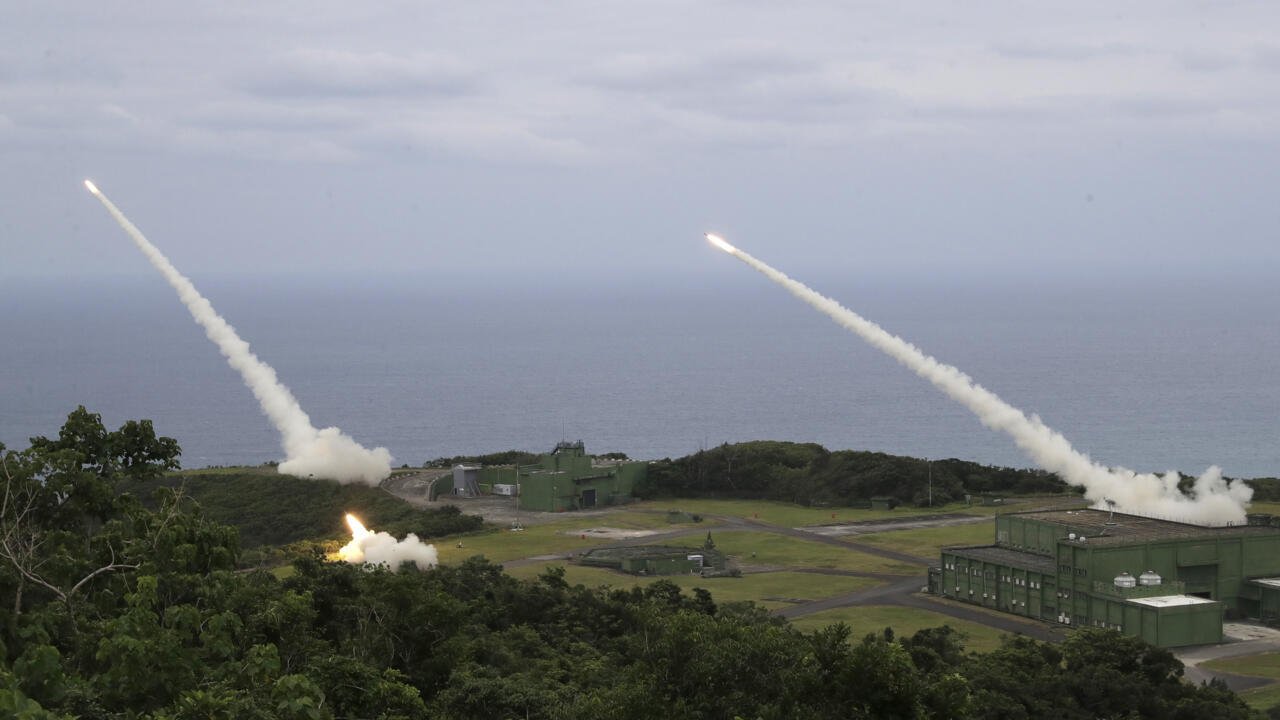
The latest package includes advanced HIMARS rocket systems, which have gained notoriety for their extensive use by Ukraine in its conflict with Russian forces. U.S. President recently signed a significant defense policy bill that includes a $1 billion Taiwan Security Cooperation Initiative, ensuring continued support for U.S. training of Taiwanese forces.
Taiwan’s Response and Political Landscape
Taiwan’s Ministry of National Defense expressed gratitude for the U.S. provisions, asserting that they will enhance the island’s military capabilities and contribute to the maintenance of peace in the Taiwan Strait and the region. The government in Taipei, which is democratically elected, rejects China’s claims of sovereignty, emphasizing that only Taiwan’s citizens should determine their future.
Despite a willingness to engage in discussions, China has repeatedly dismissed overtures from Taiwan’s President Lai Ching-te, labeling him a “separatist,” and has not ruled out the use of military force to assert control over the island.
- China vows to increase military training in response to U.S. arms sales to Taiwan.
- The $11.1 billion arms deal is the largest ever from the U.S. to Taiwan.
- China warns of consequences for U.S. support of Taiwan independence movements.
- Taiwan’s government remains firm in its stance against China’s sovereignty claims.