

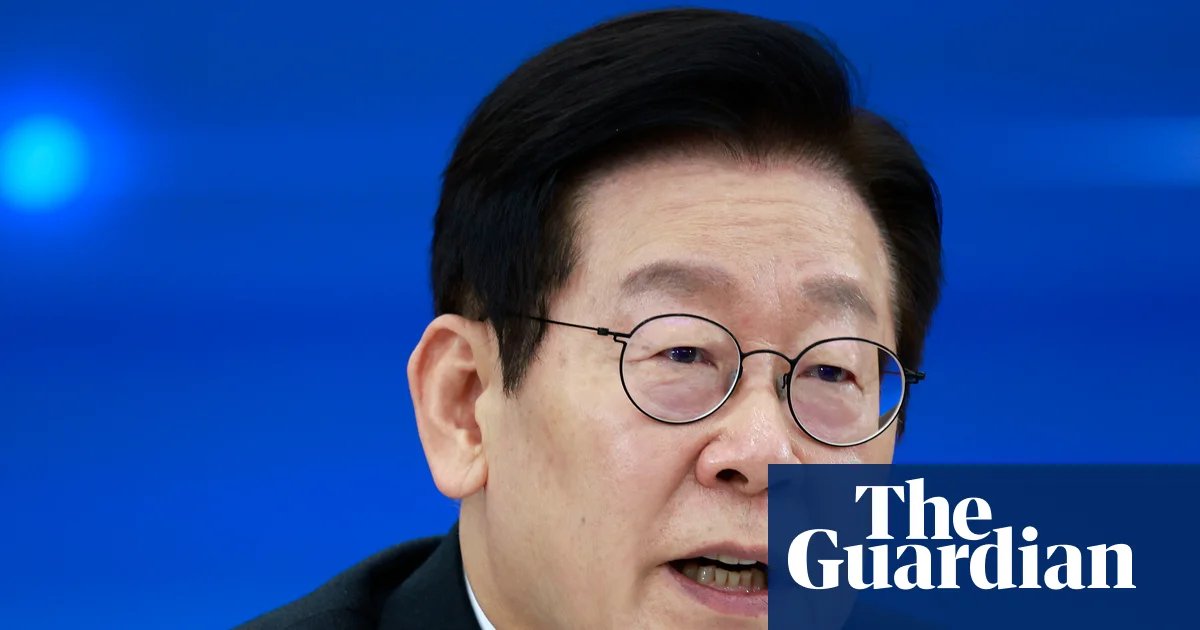
South Korean President Proposes Expanding Health Insurance to Cover Hair Loss Treatments
In a significant move, South Korean President Lee Jae Myung has urged his administration to explore the possibility of extending public health insurance to include treatments for hair loss. He recently argued that baldness is increasingly seen as a “matter of survival” for young adults rather than merely a cosmetic issue.
Proposal Sparks Controversy
This initiative, announced at a policy briefing, aims to broaden the coverage currently available under South Korea’s universal health insurance system, which traditionally supports only limited medical treatments for specific types of hair loss. The proposal has already sparked backlash from both medical professionals and conservative commentators, voicing concerns over its implications and effectiveness.
Under the existing insurance framework, coverage is primarily restricted to conditions like alopecia areata. In stark contrast, treatments for common male pattern baldness are generally left out, contributing to a sense of injustice among young insured individuals. “There may be young people who think it’s unfair that they only pay insurance premiums and can’t receive benefits,” Lee noted, highlighting the growing feeling of alienation in the community.
Context Behind the Proposal
This is not Lee’s first foray into this topic; he initially presented the idea during his candidacy in the 2022 presidential election, though it was met with criticism for being populist. Surprisingly, he did not include it in his recent election campaign.
The cultural emphasis on physical appearance in South Korea further complicates this issue. A recent survey revealed that a staggering 98% of young adults believe that attractive individuals enjoy social advantages. The pressure surrounding personal aesthetics is particularly intense for women, while men often grapple with the stigma related to hair loss, sometimes resorting to less-conventional methods to hide balding.
The Hair Loss Market
It’s estimated that South Korea’s market for hair loss treatments is worth approximately 188 billion won (£95 million) as of 2024. Within the population of over 51 million, around 10 million individuals reportedly experience hair loss, although this figure has yet to be officially authenticated. Hair-loss shampoos are particularly popular, although some have faced scrutiny over their advertised effectiveness.
Financial Implications on Health Insurance
The timing of President Lee’s proposal comes amid financial strains on South Korea’s health insurance system, which could face deficits reaching 4.1 trillion won (£2.1 billion) by 2026. Medical professionals have expressed skepticism towards expanding coverage for hair loss treatments, with the Korean Medical Association contending that focusing on serious health issues like cancer should take precedence over aesthetic treatments.
Criticism has also emerged from conservative media outlets, including the Chosun Ilbo, which suggested that such a sweeping change should not be made without thorough public consultation. Health Minister Jeong Eun Kyeong interpreted Lee’s remarks about hair loss being linked to survival as underscoring its impact on young people’s confidence during job hunting and overall mental health.
Balancing Public Sentiment and Necessity
When pressed about the potential financial ramifications of extending coverage, Minister Jeong acknowledged that it would likely have a significant financial impact and stressed the need for a detailed analysis before implementation.
Amid the scrutiny, voices from the ruling party include MP Park Joo-min, who openly discussed his hair transplant and is a proponent of hair-loss issues. He recently showed support for the proposal on social media with an enthusiastic comment.
On a related note, President Lee has also directed the fair trade commission to investigate the pricing of menstrual pads, which have been noted to be 39% higher in Korea compared to other countries due to potential monopolistic practices.
Conclusion
The proposition to enhance public health insurance to cover hair loss treatments has opened a fascinating yet contentious dialogue about appearance, mental well-being, and healthcare priorities in South Korea. While it aims to alleviate the struggles faced by many, the broader implications on insurance finances and public opinion remain significant factors to consider.
- South Korean President Lee Jae Myung proposes covering hair loss treatments under public health insurance.
- The move has faced criticism from medical professionals and conservative commentators.
- The cultural focus on appearance in South Korea adds complexity to the issue.
- The proposal’s timing raises concerns about financial pressure on the existing healthcare system.