

UN Security Council Condemns Rwanda’s Support for Rebel Forces in DRC
The United Nations Security Council (UNSC) has taken a firm stance against Rwanda for its alleged backing of a rebel offensive in the eastern Democratic Republic of the Congo (DRC). The Council has called for Rwanda to withdraw its troops and cease its support for the M23 armed group. This resolution, passed unanimously on Friday, also includes a one-year extension of the UN peacekeeping mission in the DRC, known as MONUSCO. This development comes at a time when evidence of Rwanda’s involvement contradicts its consistent denials, as the conflict intensifies following the collapse of a US-mediated peace agreement.
Rising Tensions in Eastern DRC
The UNSC expressed serious concerns about the M23 group’s control over the strategically critical city of Uvira. They warned that such actions threaten to destabilize the entire region, endanger civilian lives, and jeopardize ongoing peace initiatives. “M23 must immediately withdraw at least 75km (47 miles) from Uvira and adhere to the obligations outlined in the Framework Agreement,” stated Jennifer Locetta, a US representative at the UN.
The Capture of Uvira
M23’s takeover of Uvira in South Kivu Province occurred on December 10, just days after the leaders of the DRC and Rwanda met with former US President Donald Trump in Washington to discuss a peace plan. “It is an amazing day: a great day for Africa, the world, and these two countries. They have much to be proud of,” Trump asserted as violence quickly escalated, overshadowing diplomatic efforts.
Civilians Caught in the Crossfire
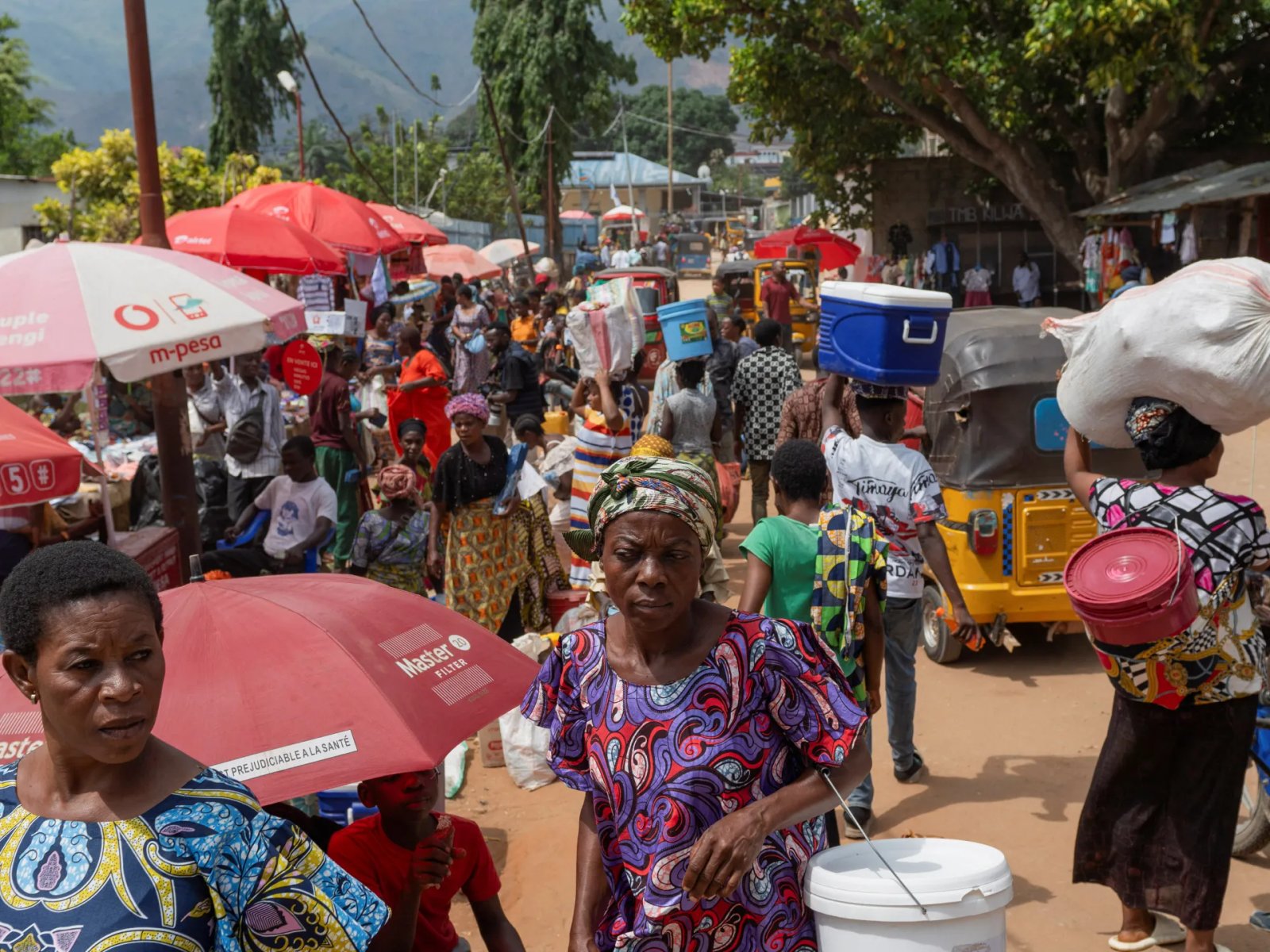
Local resident Feza Mariam expressed frustration over the ongoing political turmoil, stating, “We don’t know anything about the political process they are talking about. The only thing we need is peace. Anyone able to provide us with peace is welcome here.”
Claims of Withdrawal
In response to international criticism, the M23 group claimed it was preparing to withdraw from Uvira. However, the DRC government dismissed this as a “staged” retreat, asserting that M23 fighters remain in the area. US Secretary of State Marco Rubio recognized that commitments under the Washington peace accord were “not being met” and emphasized that agreements have now been established to hold parties accountable.
The Humanitarian Crisis
This ongoing conflict has triggered a severe humanitarian emergency. More than 84,000 individuals have fled to Burundi since early December, according to the UN refugee agency, which indicated that the situation has reached a “critical point.” The new arrivals join around 200,000 others who were already seeking refuge there.
Escalating Violence
Recent reports indicate that over 400 civilians have lost their lives in the escalating violence in Uvira. The strategic significance of the city, located across Lake Tanganyika from Burundi’s largest city, Bujumbura, raises apprehensions about a potential wider regional conflict. Uvira was the last stronghold of the DRC government and allied militias in South Kivu after M23 captured Bukavu, the provincial capital, in February.
Rwanda’s Denial and Security Concerns
Despite substantial evidence from UN experts and the international community suggesting otherwise, Rwanda has continually denied its support for M23. During a February interview with CNN, Rwandan President Paul Kagame stated he was unaware of whether Rwandan troops were operating in the DRC, despite his position as commander-in-chief of the armed forces.
The Justification for Military Presence
In February 2024, Rwanda appeared to acknowledge its military presence in the DRC by refusing to withdraw troops and surface-to-air missile systems, asserting it had adjusted its military stance for self-defense purposes. The Rwandan government cites security threats from the Democratic Forces for the Liberation of Rwanda, a militia primarily composed of Hutus who fled to the DRC after the 1994 genocide, as justification for its actions. Kigali views this group as a significant threat and accuses the DRC government of extending support to it.
A Conflict with Widespread Impact
The broader conflict in resource-rich eastern DRC, where over 100 armed groups are active, has resulted in the displacement of more than seven million people, contributing to one of the most severe humanitarian crises in the world.
Conclusion
The condemnation of Rwanda by the UNSC underscores the international community’s concern regarding its involvement in the conflict in eastern DRC. As tensions continue to rise and humanitarian needs escalate, the situation remains precarious, necessitating urgent attention and action.
- The UNSC has condemned Rwanda for supporting rebel forces in DRC.
- M23’s control of Uvira threatens regional stability and civilian safety.
- Escaping violence, over 84,000 people have fled to neighboring Burundi.
- Rwanda maintains its military presence in eastern DRC for self-defense against perceived threats.