

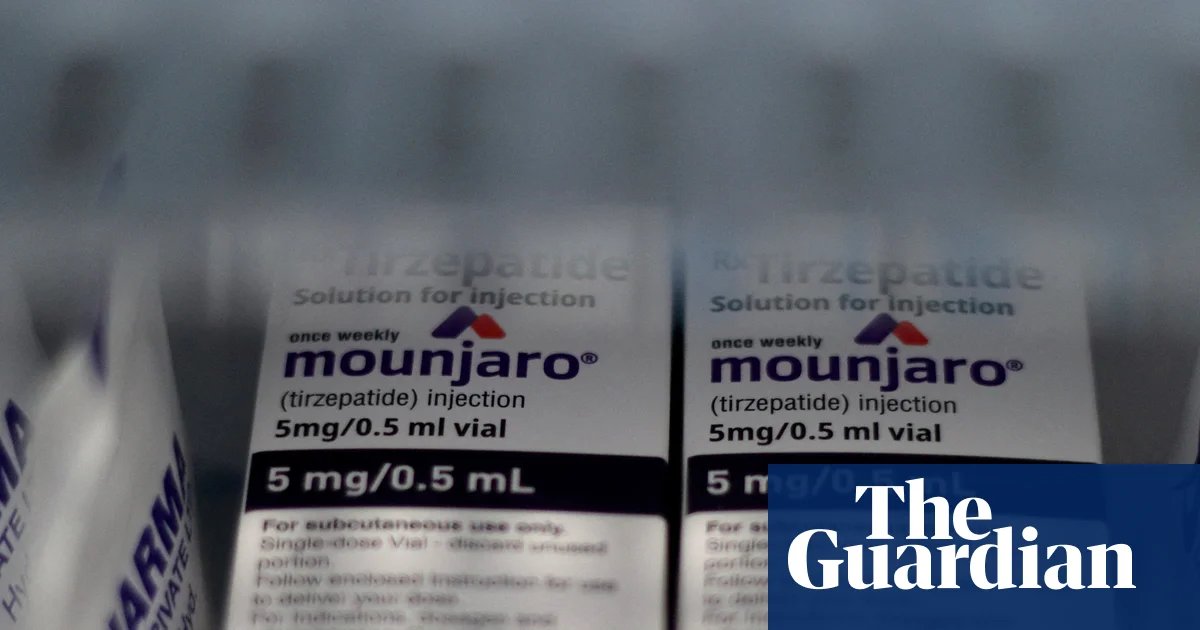
The Cautionary Tale of Weight Loss Injections in India
India is currently witnessing a significant surge in weight loss injections, with leading healthcare experts ringing alarm bells over their unregulated use. As appetite-suppressing drugs like Mounjaro, Wegovy, and Ozempic gain traction, professionals emphasize that these treatments are no miracle solutions to the country’s escalating obesity and diabetes crises.
The Rise of Appetite-Suppressing Drugs
Since the introduction of these medications to the Indian market earlier this year, demand has soared. Mounjaro, approved for sale just eight months ago, has quickly become the highest-selling drug in India, surpassing even antibiotics. This success has prompted Eli Lilly, the manufacturer, to initiate trials for a similar appetite-suppressing medication in pill form, potentially available by next year.
An Eli Lilly representative noted that India’s growing urbanization, sedentary lifestyles, and changing eating habits have spotlighted weight management as a pressing public health issue. The awareness and access to innovative therapies position India as a significant market for these weight loss medications.
Market Dynamics and Implications
In a competitive move, Novo Nordisk recently launched Ozempic at a price of ₹8,800 (approximately £73) for four injections a month, notably cheaper than Mounjaro, which costs ₹14,000 (about £115). However, these prices remain prohibitive for the average Indian household.
By March of next year, many patents on semaglutide drugs are expected to expire in India, paving the way for domestic manufacturers to introduce affordable alternatives. Analysts predict that the market for weight loss drugs could skyrocket to a staggering $150 billion (£112 billion) annually by the end of the decade.
A Double-Edged Sword
Healthcare professionals recognize the critical necessity for increased access to these medications, particularly as diabetes and obesity rates threaten to overwhelm an already strained healthcare system. Current statistics reveal that by 2030, these conditions may become India’s leading causes of death, with around 212 million adults already affected by diabetes.
A recent study published in the Lancet indicated that approximately 180 million adults in India were categorized as overweight or obese in 2021, with projections suggesting this number could climb to 450 million by 2050. Dr. Mohit Bhandari, a prominent bariatric surgeon, believes that the actual figures of affected individuals could be significantly higher due to poor data collection practices.
Calls for Regulation
While acknowledging the potential benefits of these drugs, Bhandari cautions against their widespread and unregulated use, noting instances of abuse and misprescription that could pose long-term health risks. He urges for stringent controls on who is authorized to prescribe these medications.
“The drugs are beneficial, but ensuring they are used safely is paramount,” Dr. Bhandari stated, highlighting the risks of misuse.
The Patient Perspective
Individuals like Vidhi Dua, who has battled obesity and diabetes, express hope in using Mounjaro but are also aware of its potential side effects. “I’m hopeful this will work, but it’s not easy. The side effects can be tough, and I worry about people using these injections for cosmetic weight loss without understanding the risks,” she explained.
Addressing Underlying Issues
Experts like Anoop Misra, an endocrinologist in Delhi, echo Bhandari’s concerns while also recognizing the need for holistic solutions. Misra attributes the rise in obesity and diabetes to poor dietary habits and environmental factors affecting both urban and rural populations. He prescribes these drugs on a selective basis, recommending thorough patient evaluations beforehand.
Despite the allure of weight loss injections, Misra emphasizes that they should not replace fundamental lifestyle changes. “Education on nutrition, healthier diets, and exercise should remain at the forefront of combating these epidemics,” he warned, pointing out that reliance on medications can lead to a disregard for necessary lifestyle modifications.
Challenges Ahead
Misra also highlights cultural obstacles that hinder dietary change, particularly for women facing domestic pressures related to food choices. “Changing family habits is difficult, even when everyone understands the health risks,” he noted, underscoring the complexities surrounding health and diet in Indian households.
Conclusion
As India navigates the complexities of weight management and the burgeoning market for weight loss drugs, it is critical to foster both access and regulation. While these medications may offer a solution for some, they must be approached with caution, ensuring that broader lifestyle changes and education remain integral to the fight against obesity and diabetes.
- Weight loss injections in India are gaining popularity, but experts warn of their unregulated use.
- Mounjaro has become India’s best-selling drug, sparking competition and potential market expansion.
- Healthcare professionals advocate for strict regulation, cautioning against misuse and emphasizing lifestyle changes.
- Understanding cultural barriers is essential for effective public health strategies in combating obesity and diabetes.