

Lucknow: A Culinary Jewel Recognized by UNESCO
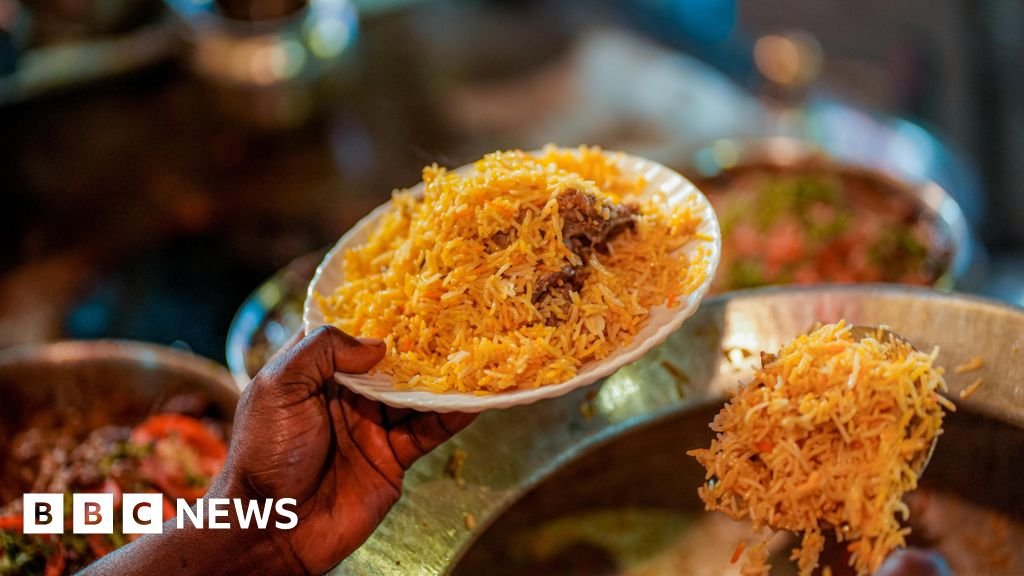
Lucknow, the capital of Uttar Pradesh, is a culinary haven where kebabs, biryani, and delightful desserts come together in a rich tapestry of flavors. Recently designated as a Creative City of Gastronomy by UNESCO, this northern Indian city stands proud among a global network of cities renowned for their culinary excellence. This prestigious recognition not only celebrates Lucknow’s deep-rooted food culture but also amplifies its reputation on the international stage.
A Celebration of Gastronomy
UNESCO’s acknowledgment of Lucknow as a Creative City of Gastronomy is a significant honor, placing it alongside only 70 other cities worldwide dedicated to fostering creativity and sustainable urban development through food. Tim Curtis, director of the UNESCO Regional Office for South Asia, highlighted how the distinction reflects the city’s vibrant culinary traditions and serves as a platform for international collaboration.
Lucknow emerges as the second Indian city to earn this status, following Hyderabad’s recognition in 2019. Locals and food enthusiasts have expressed their delight, echoing the sentiments of celebrity chef Ranveer Brar, who remarked that this acknowledgment, while welcome, could have come sooner.
The Heart of Awadhi Cuisine
Known as the City of Nawabs, Lucknow boasts a culinary culture that reflects its royal past. The city’s kitchens are home to mouth-watering kebabs and a distinctive version of biryani that embody centuries of culinary evolution. The blend of Persian and local Indian cooking styles created the foundation of Awadhi cuisine, giving rise to renowned dishes such as the galouti kebab. Legend has it that this delicacy was crafted for a nawab who could no longer chew, resulting in a melt-in-the-mouth delight.
Central to the art of Lucknow’s cooking is the ancient Dum pukht technique, which involves sealing pots of food with dough and cooking them slowly over low heat. This method was popularized during the reign of Nawab Asaf-ud-Daulah, who initiated a work-for-food program during a famine, creating one-pot meals that would tantalize the senses and nourish the masses.
A Diverse Culinary Landscape
While kebabs and biryani are central to its identity, Lucknow is also a paradisiacal place for vegetarians. The local Baniya community brings forth a seasonal joy in their vegetarian dishes, offering meticulously crafted Indian sweets and unique street foods. From chaat to a myriad of delicacies, the city’s renowned snacks enrich the local gastronomic experience.
In the heart of the city, visitors can indulge in the deep-rooted traditions found at iconic spots like Sharmaji Tea Stall, famed for its masala chai, and at Netram, an establishment still cherished for its crispy kachoris and sweet jalebis—both having delighted locals for decades.
Seasonal Wonders and the Future of Culinary Heritage
Lucknow’s culinary offerings come alive with seasonal delights like makkhan malai, a cloud-like dessert that captivates locals during winter months. Crafted through a meticulous hand-churning process and then left out to the dew overnight, this unique treat has become a winter staple.
Despite the challenges faced by newer generations in carrying on culinary traditions, the hope remains strong. Chef Brar emphasizes that UNESCO’s recognition could be a catalyst for greater awareness about Lucknow’s lesser-known eateries, ensuring that the stories behind each dish continue to thrive.
Conclusion
With UNESCO spotlighting its vibrant food heritage, Lucknow invites food lovers from around the globe to experience its extraordinary culinary landscape. Each dish tells a rich story that connects generations of food artisans with a legacy worth preserving and celebrating.
- Lucknow is now a UNESCO Creative City of Gastronomy, celebrating its rich culinary culture.
- The city’s cuisine reflects a fusion of Persian and Indian styles, leading to renowned dishes like galouti kebabs.
- With a diverse landscape, Lucknow caters to both meat lovers and vegetarians alike.
- The recognition aims to raise awareness of hidden culinary gems and encourage global visitors to explore its food heritage.