

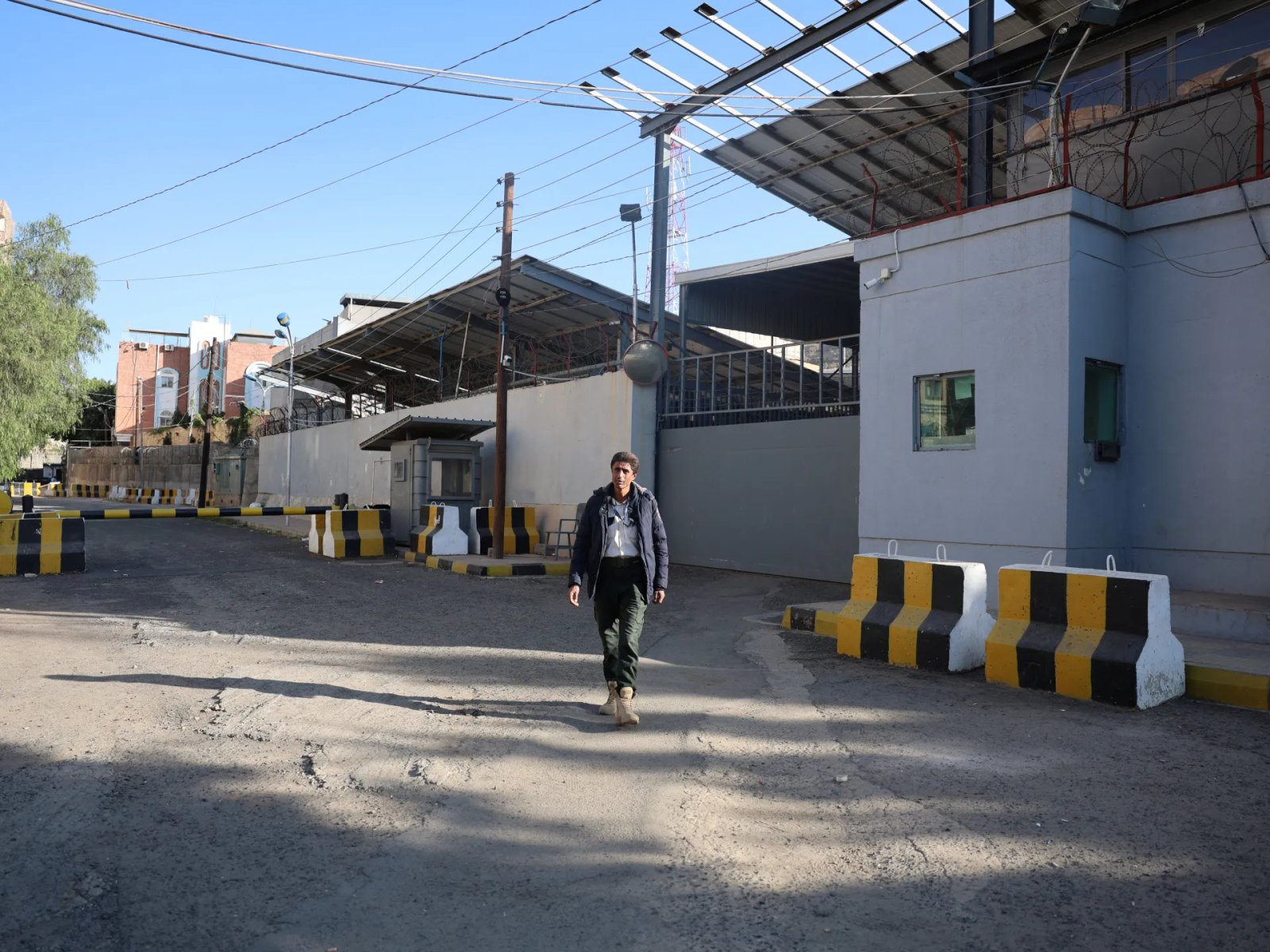
Urgent Call for Release of UN Staff Detained in Yemen
United Nations Secretary-General Antonio Guterres has vocally condemned the recent detention of additional UN personnel in Yemen, as the number of local staff members now held rises to 69. The situation has escalated significantly, prompting Guterres’ spokesperson to advocate for their immediate release.
Growing Concerns Over Humanitarian Aid
On Friday, Stephane Dujarric, a representative of Guterres, revealed that the latest arrests involve ten more UN staff members, emphasizing that these actions severely undermine the delivery of essential humanitarian assistance in regions controlled by the Houthis. “These detentions render the delivery of UN humanitarian assistance in Houthi-controlled areas untenable. This directly affects millions of people in need and limits their access to life-saving assistance,” stated Dujarric.
Context of Detentions
The Houthis, who predominantly dominate northwestern Yemen, including the capital city Sanaa, have intensified their crackdown on UN employees since the outbreak of the conflict in Gaza in October 2023. They have leveled accusations of espionage against these staff members, alleging ties to the United States and Israel. Notably, the UN has firmly rejected these claims, asserting that its operations do not involve any form of spying, especially considering the grave consequences such allegations carry in Yemen, including the death penalty.
It was confirmed that all individuals detained are Yemeni nationals. The recent arrests occurred shortly after Guterres engaged in discussions with Sultan Haitham bin Tariq of Oman regarding the circumstances surrounding detained UN and NGO personnel.
Political Dynamics and Humanitarian Crisis
During his statement this week, Guterres addressed the troubling referral of three detained UN staff members to a criminal court by the Houthis, stressing that their charges are directly tied to their official duties within the UN framework. He urged that these charges be dropped to safeguard humanitarian efforts.
According to the UN, a decade of civil unrest has led Yemen into one of the gravest humanitarian crises globally, with approximately 19.5 million people—nearly two-thirds of the country’s population—in urgent need of aid.
Recent Developments in the Conflict
The ongoing conflict has recently taken a new turn as the Southern Transitional Council (STC) has bolstered its presence in southeastern Yemen. This marks a significant shift in control since the war’s inception, with the STC asserting dominance over key areas, such as the oil-rich regions of Hadramout and al-Mahra and the crucial port city of Aden.
The STC, which aspires to create an independent southern state, has previously collaborated with Yemen’s internationally recognized, Saudi-backed government, currently based in Aden, in their efforts against the Houthis. However, the STC’s territorial gains have led to direct confrontations with the Presidential Leadership Council (PLC), which governs Aden and has condemned these territorial claims as “unilateral and a blatant violation.”
The leader of the STC, Aidarous al-Zubaidi, holds a vice-chairman position on the PLC, although relations between the two factions have frequently been tumultuous. This tension has been exacerbated this year by widespread power outages and currency crises affecting areas under the PLC’s control, previously leading to armed conflicts in 2018 and 2019 in and around Aden.
A Call for Peaceful Resolution
As the situation in Yemen continues to evolve, Secretary-General Guterres has urged all parties involved to exercise “maximum restraint, de-escalate tensions, and resolve differences through dialogue.”
Conclusion
The current crisis in Yemen highlights the severe complexities faced by humanitarian operatives in the region. With escalating detentions of UN staff, it is crucial for all stakeholders to prioritize dialogue and cooperation to address the humanitarian needs of the Yemeni people.
- 69 UN staff members are currently detained by the Houthis in Yemen.
- The UN urges immediate release to facilitate humanitarian efforts.
- The situation affects millions in need of crucial assistance.
- Guterres emphasizes the need for de-escalation and diplomatic dialogue.