

Significant Change in Marijuana Classification by Executive Order
The recent executive order signed by President Donald Trump is paving the way for a major shift in the federal classification of marijuana, aiming to reduce barriers for research. This pivotal decision could change how marijuana is viewed and studied across the United States.
Federal Reclassification of Marijuana
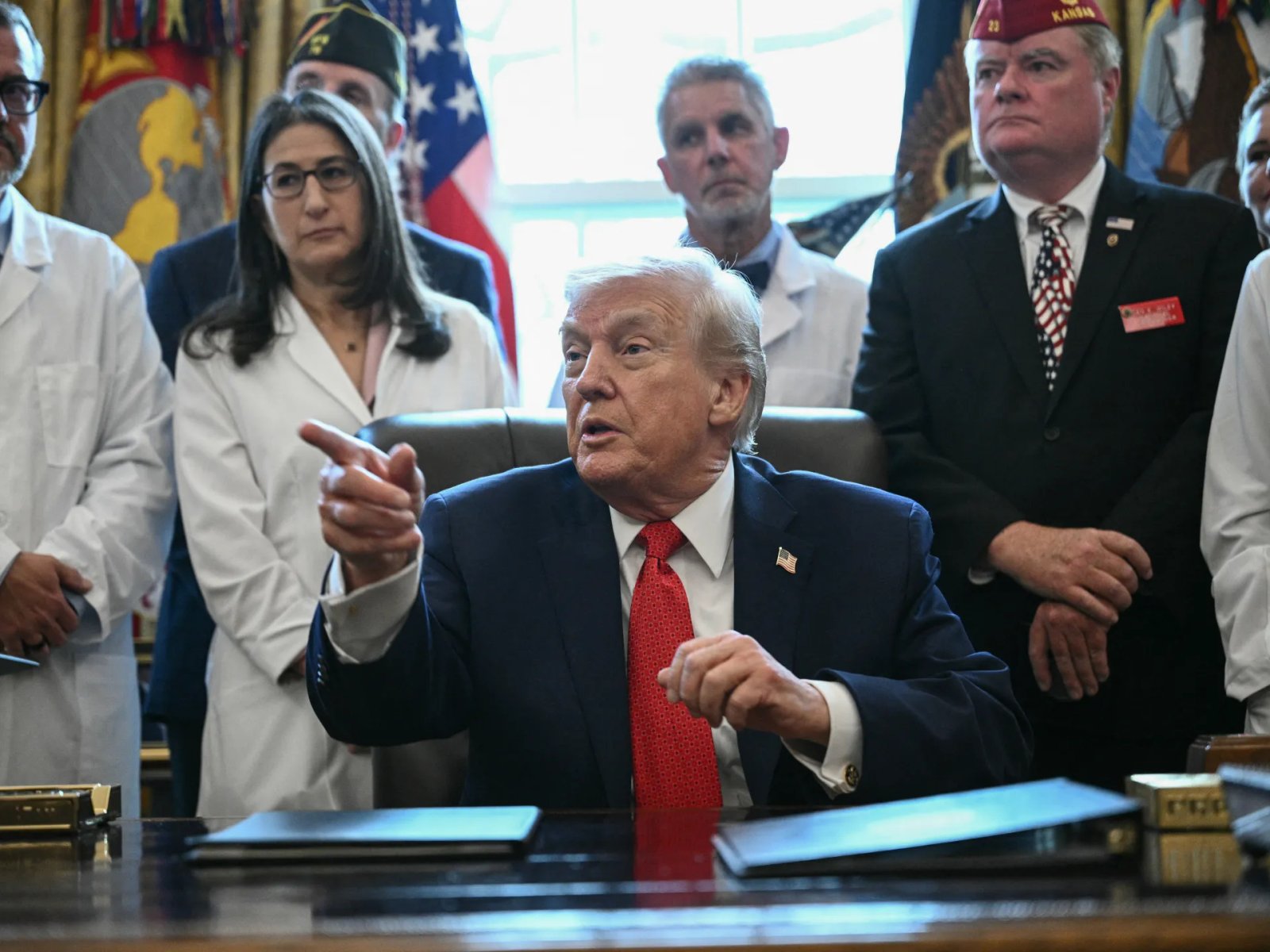
On December 18, 2025, President Trump took a decisive step by signing an executive order that mandates the U.S. Attorney General, Pam Bondi, to expedite the reclassification of marijuana. This action involves the Drug Enforcement Administration (DEA) and seeks to move marijuana from its current position as a Schedule I substance to a less restrictive category.
The Classification System
In the U.S., substances are categorized into five schedules based on their potential for abuse and accepted medical use. Schedule I includes the most tightly controlled drugs, such as heroin and LSD, with Schedule V representing the least restricted. The proposed change would position marijuana alongside substances like ketamine and anabolic steroids in Schedule III.
Impact on Research and Perceptions
While President Trump emphasized that this order does not equate to the legalization of marijuana or endorse its recreational use, it does create avenues for increased research. Studies on Schedule III drugs necessitate less bureaucratic approval than those on Schedule I substances, thereby facilitating more comprehensive examinations of marijuana’s effects and benefits.
In a discussion earlier in the week, Trump highlighted the popularity of this change, indicating it would lead to extensive research opportunities currently hindered by classification issues. He remarked, “We are looking at that very strongly.”
Context of State and Federal Regulations
This executive action aligns with a broader trend as several states have begun to legalize marijuana for both medical and recreational purposes, leading to a complex landscape of state laws that often conflict with federal restrictions, where marijuana is still classified as illegal.
Comparative Efforts by Previous Administration
Former President Joe Biden had initiated efforts to adjust federal penalties related to marijuana, including granting mass pardons for individuals convicted of simple possession. These actions addressed concerns over the disproportionate impact of such convictions on minority communities, contributing to issues related to mass incarceration.
The Biden administration also intended to complete the process of reclassifying marijuana to Schedule III, yet this effort remained unfinished before he left office in January.
Opposition and Public Sentiment
President Trump has encountered some resistance within his own party regarding this classification change. Earlier in the year, a group of 20 Republican senators urged him to maintain the current stringent regulations, arguing that marijuana is still a dangerous substance and that the reclassification could hinder his administration’s goals.
Conversely, public support for the legalization of marijuana for recreational use has seen a significant increase, climbing from 36% approval in 2005 to 68% in 2024, according to recent Gallup polls.
Conclusion
The executive order by President Trump represents a critical juncture in the evolution of marijuana policy in the United States. By potentially easing research restrictions, this move could reshape our understanding of marijuana’s effects and its role in society.
Key Takeaways
- President Trump signed an executive order to reclassify marijuana, expediting its move to Schedule III.
- This reclassification is intended to facilitate more research on marijuana.
- Public support for the legalization of recreational marijuana has grown significantly in recent years.
- Some political opposition remains, particularly among Republicans wary of reduced classifications.