

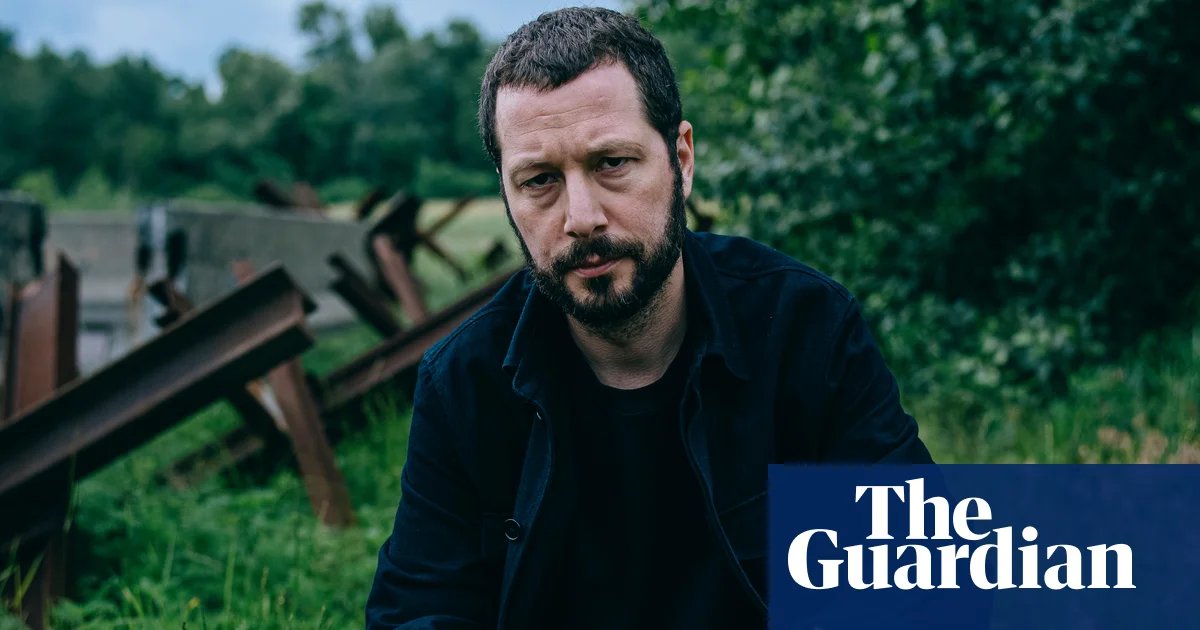
Exploring the Frontlines: A Conversation with Mstyslav Chernov
In an engaging discussion, filmmaker Mstyslav Chernov reflects on the profound emotional journey from creating his documentary 20 Days in Mariupol to his latest project, 2000 Meters to Andriivka. Chernov shares his motivation to return to the frontlines and the impact of war on the human spirit.
Returning to the Frontlines
Adrian Horton opens the conversation, asking Chernov what compelled him to revisit the war-torn areas of Ukraine after showcasing his previous film to audiences in the West. Chernov reveals that it wasn’t merely about engaging with the audience but more a reaction to the devastation and trauma he experienced after leaving Mariupol. Following this harrowing experience, he traveled to Bucha, where he encountered additional war crimes, and then back to his hometown of Kharkiv, which was also under constant bombardment.
He explains, “Even while editing 20 Days in Mariupol, I was searching for a narrative that would respond to my feelings of devastation and helplessness. I saw Ukraine as a victim of a brutal invasion and wanted to portray a different narrative—one showcasing resilience and strength as Ukrainians push back.”
A Dual Existence
Horton queries how Chernov navigated the juxtaposition of attending prestigious film events like the Oscar circuit while being involved in frontline production. “The theatrical release was underway in July, coinciding with the releases of major films like Barbie and Oppenheimer. Meanwhile, Ukraine was in the midst of a counteroffensive,” he recounts, detailing his travels between peaceful Western cities and the conflict zones of Ukraine.
Chernov emphasizes the stark contrast, saying, “It felt like moving between two entirely different worlds, almost as if traveling to another planet or a century back in time. I aimed to convey that collision of realities, illustrating the distance between Europe and Ukraine and the disconnection between Ukrainian society and those on the frontlines.”
The Emotional Landscape
As he reflects on the relationship between civilian life and the war’s brutal reality, Horton asks if the gap has widened or narrowed since the film’s release. Chernov notes a growing sense of abandonment amongst those on the frontlines and civilians alike, as missile and drone strikes have increased. “That feeling of abandonment has strangely unified people,” he observes, highlighting the human capacity to come together during difficult times. “The more challenging circumstances become, the closer we feel to each other.”
He also points out the miscalculation on Russia’s part, believing that by bombarding Ukrainian cities, they could drive a wedge between Ukrainians and their government. “That’s simply not how it works,” he asserts.
Cinematic Reception
Discussing the film’s impact, Chernov mentions that over 70,000 people have attended screenings of 2000 Meters to Andriivka, recognizing the film’s authenticity and its acknowledgment of the sacrifices made by all involved. “It’s a remarkable turnout during wartime, and it shows the deep resonance of the film’s message,” he asserts.
Horton recalls Chernov’s earlier statement at the Sundance premiere about the film serving as a memorial document rather than a prescriptive statement. He inquires if Chernov aims to convey a specific message through his film. Chernov’s focus remains on ensuring the film is interpreted accurately, emphasizing its complexity; it’s not propaganda, but a representation of Ukraine, the broader implications of war, and human resilience. “I want audiences to grasp how futile war is, yet recognize the necessity of self-defense,” he elaborates.
Hope Amid Despair
As the discussion turns to the concept of hope, Horton acknowledges the difficulty of finding optimism in such dire circumstances. Chernov shares his journey of discovering hope during the filming process, despite the turmoil surrounding him. “Even in dark moments, I found light in the people we met. Every individual portrayed in the film inspired me with their courage,” he shares, revealing that nature itself provides proof of resilience, as trees sprout anew despite earlier destruction. “This gives me faith in Ukraine’s enduring spirit, no matter how challenging the path ahead may be.”
Conclusion
Mstyslav Chernov’s dedication to documenting the realities of war in Ukraine is both heartbreaking and inspiring. His desire to shed light on the strength and resilience of the Ukrainian people invites viewers to understand the complexity of their experiences and the ongoing struggle for agency amid conflict.
- Chernov’s journey back to the frontlines reflects a profound need to document resilience amidst devastation.
- The stark contrast between peaceful Western society and the conflict zones of Ukraine highlights the war’s emotional landscape.
- Growing feelings of abandonment have united those on the frontlines with the civilian population.
- Despite the darkness of war, Chernov finds hope through the resilience and courage of individuals striving to defend their homes.