

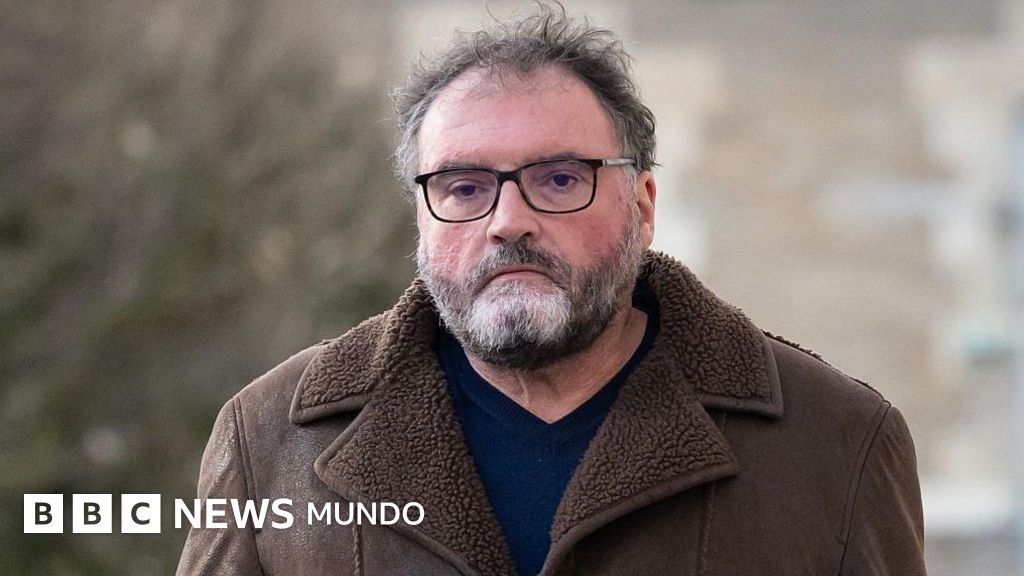
French Anesthesiologist Sentenced to Life for Intentional Poisoning
An anesthesiologist from France, Frédéric Péchier, has been sentenced to life imprisonment for intentionally poisoning 30 patients, resulting in the death of 12. This shocking case, one of the most significant instances of medical malpractice in French history, reveals the dark actions of a medical professional who abused his position in a trust-based role.
Details of the Conviction
The 53-year-old Péchier was found guilty at the conclusion of a four-month trial in Besançon, located in eastern France. Evidence presented in court revealed that he injected hazardous chemicals, such as potassium chloride and adrenaline, into the intravenous bags of his patients. Among them was a four-year-old child who survived two cardiac arrests during a routine tonsil surgery in 2016; the oldest victim was 89 years old.
During the trial, prosecutors characterized Péchier as “Dr. Death,” calling him a “poisoner” and a “murderer” who brought shame to the medical profession. They stated, “You turned this clinic into a graveyard.” The chemicals he administered often resulted in cardiac arrests and severe hemorrhages, necessitating urgent surgical interventions. Intriguingly, Péchier often carried out these emergency procedures himself, presenting himself as the hero to those he had endangered.
Motivation Behind the Crimes
The prosecution argued that Péchier sought to undermine his fellow anesthesiologists, with whom he had personal grievances. He was typically not the lead anesthesiologist during most surgeries. Nevertheless, it was claimed that he frequently arrived early at the clinic to tamper with intravenous bags. When complications arose, he would step in to diagnose the issue and administer an antidote.
The Investigation’s Origins
Péchier first came under scrutiny eight years ago while suspected of poisoning patients in two Besançon clinics between 2008 and 2017. The alarm was raised in 2017 when excess potassium chloride was discovered in an infusion bag of a woman who suffered a heart attack during back surgery. Investigators identified a troubling pattern of “serious adverse events” at Saint-Vincent Clinic in Besançon, where the rate of fatal heart attacks under anesthesia was more than six times higher than the national average.
Reports indicated that most cases of cardiac arrest had logical explanations, unlike the unexplained incidents at Saint-Vincent. Furthermore, events ceased when Péchier temporarily worked at another clinic, only to resurface upon his return. His medical license was suspended in 2017, coinciding with the disappearance of these anomalies.
Known Victims
The first identified victim of Péchier was 36-year-old Sandra Simard, who experienced a sudden cardiac arrest during a spinal surgery. Although she survived due to Péchier’s intervention, she fell into a coma. Tests on her infusion bags displayed potassium levels 100 times greater than the normal range, prompting local prosecutors to take action.
Throughout the 15 weeks of the trial, Péchier occasionally acknowledged that some patients who fell ill or died might have been poisoned, yet he consistently denied any wrongdoing. “I have stated this before, and I will say it again: I am not a poisoner… I have always respected my Hippocratic oath,” he affirmed.
Next Steps and Psychological Profile
Péchier now faces a minimum of 22 years in prison after being free throughout the trial. He has 10 days to appeal, which could lead to a retrial within a year. Prosecutors noted that his colleagues remarked he always appeared to have the answers, describing him as creating a façade of a savior for his peers.
His defense attorneys contended there was insufficient evidence linking him to the crimes, though Péchier’s testimony varied over the course of the trial, ultimately conceding that there had to be a poisoner in the clinic—albeit denying it was him.
A court psychologist labeled him as having a “Dr. Jekyll and Mr. Hyde” personality, referencing Robert Louis Stevenson’s classic horror novel, indicating a dual nature—one respectable, the other capable of inflicting harm. Péchier has made multiple suicide attempts, and as a divorced father of three, he expressed to the court that his primary concern was his family’s well-being. While his children wept upon hearing the verdict, he remained stoic.
In the words of Sandra Simard, a survivor, “It’s the end of a nightmare,” while Jean-Claude Gandon, another patient who survived, expressed relief, stating, “Now we can have a more peaceful Christmas.”
Conclusion
The case of Frédéric Péchier serves as a chilling reminder of how trust within the medical profession can be utterly violated. His actions not only took lives but also shattered the faith of countless individuals in healthcare. As he begins his prison sentence, the affected families can finally begin to heal from the trauma inflicted upon them.
Key Takeaways
- Frédéric Péchier received a life sentence for intentionally poisoning 30 patients.
- His actions led to the deaths of 12 individuals, making this a landmark case of medical malpractice in France.
- Péchier manipulated his role to create emergencies in which he could intervene and appear as a hero.
- The case has exposed severe flaws in oversight practices within medical institutions.