

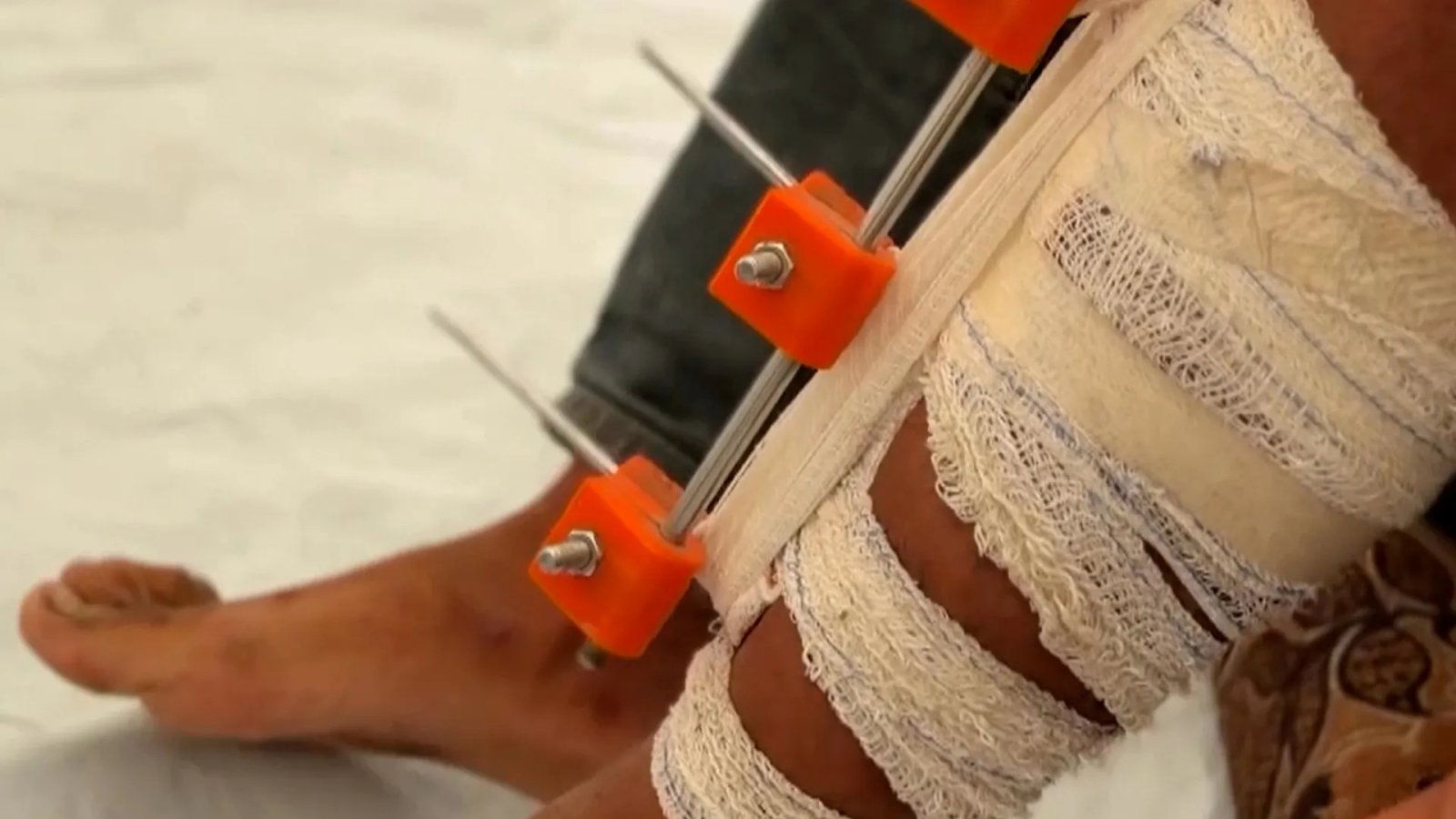
3D Printing in Healthcare: A Lifeline for Gaza’s Injured
The ongoing conflict in Gaza has severely impacted the healthcare system, leaving hospitals struggling with a lack of essential medical supplies. Amidst these challenges, innovative solutions are emerging. Healthcare professionals are now utilizing solar-powered 3D printers to aid in treating various injuries. This shift toward technology not only showcases resilience but also highlights a new frontier in medicine. Let’s delve into how this technology is making a difference in Gaza’s healthcare landscape.
The Crisis in Gaza’s Healthcare System
Gaza’s healthcare system has been stretched to its limits due to the ongoing conflict. Hospitals are facing significant shortages of medical supplies, making it difficult for healthcare workers to provide necessary treatment to patients. In this dire situation, the need for innovative solutions has become more critical than ever.
Innovative Solutions: The Role of 3D Printing
In response to the scarcity of traditional medical supplies, doctors in Gaza have turned to 3D printing technology. This method allows for the rapid and localized production of medical devices and prosthetics, reducing the dependency on external supply chains. The integration of solar energy into this process further enhances its sustainability and efficiency.
How Solar-Powered 3D Printers Work
Solar-powered 3D printers utilize renewable energy to create medical items layer by layer from digital files. This technology is particularly beneficial in a region where electricity supply can be inconsistent. By harnessing solar energy, healthcare providers can ensure continual access to these resources, even during times of crisis.
The Impact on Patient Care
Utilizing 3D printing has transformed the way injuries are treated in Gaza. For instance, doctors can manufacture custom-fitted orthoses and prosthetics, which are tailored specifically for individual patients. This personalized approach not only improves comfort but also enhances recovery times.
A Community Effort
The initiative is not solely driven by medical professionals; it has become a community effort. Local engineers and technicians are collaborating with healthcare workers to maximize the usage of available resources. This partnership fosters innovation and encourages a sense of hope among the population.
Looking Forward: The Future of Medical Technology in Gaza
As 3D printing technology continues to evolve, there is potential for its application to expand beyond just prosthetics. Future developments could involve creating bioprinted tissues or even intricate surgical instruments right in Gaza. The resilience and ingenuity displayed by those in the healthcare sector demonstrate a commitment to overcoming adversity through technology.
Conclusion
The integration of solar-powered 3D printing into Gaza’s healthcare system represents a beacon of hope amidst chaos. By embracing innovative technologies, medical professionals are finding ways to deliver essential care even in the most challenging circumstances. This commitment not only addresses immediate needs but also lays the groundwork for a more sustainable healthcare future in Gaza.
- Gaza’s healthcare system is strained due to ongoing conflict.
- Doctors are utilizing solar-powered 3D printers for medical supply shortages.
- This technology allows for the customized treatment of injuries.
- Collaboration between engineers and healthcare providers fosters innovation and optimism.