

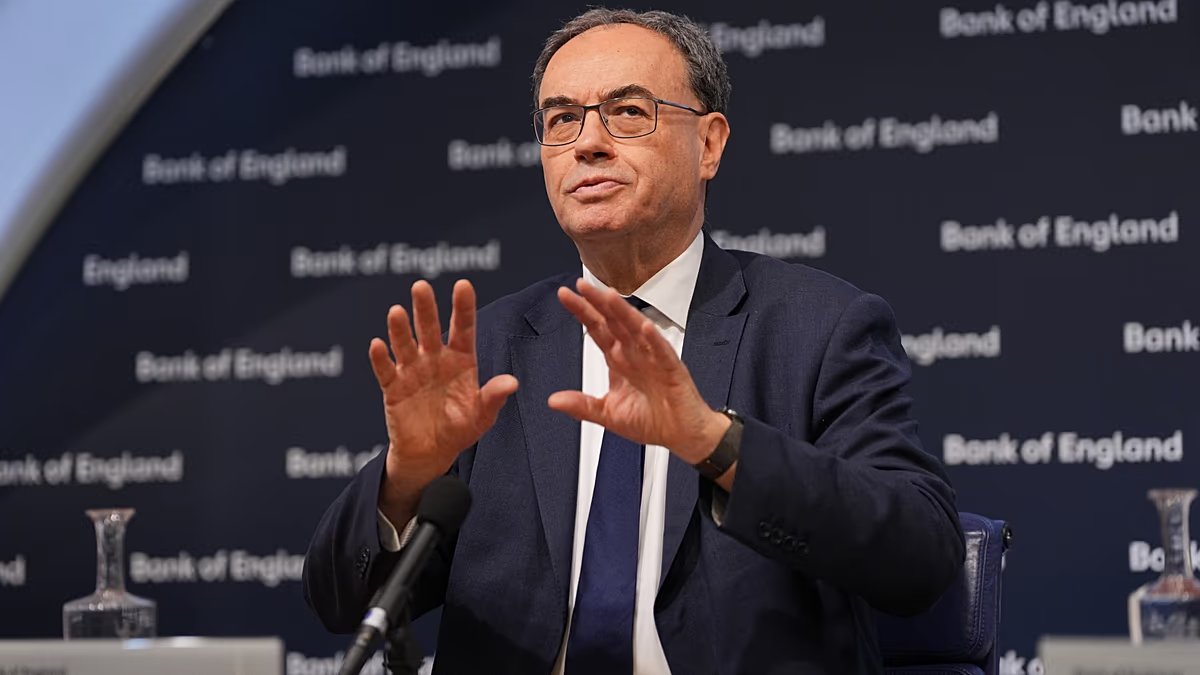
Bank of England Cuts Interest Rate Amid Economic Weakness
The Bank of England has made a significant move by reducing its key interest rate by a quarter point to 3.75%. This decision comes as the UK grapples with slow growth and high unemployment rates. Recent inflation statistics have also played a crucial role in this decision, indicating that price pressures have eased to their lowest levels in eight months.
Current Economic Climate
In November, the Consumer Price Index (CPI) recorded an inflation rate of 3.2%, down from 3.6% in October. This decline in inflation provides some breathing room for policymakers, particularly for Finance Minister Rachel Reeves and Prime Minister Keir Starmer, who have been working hard to revive the UK economy but have struggled to meet their growth targets.
Challenges to Economic Growth
Analysts suggest that various factors have impeded these growth ambitions, including increased employer social security contributions and the enduring consequences of Brexit on trade and investment. Additionally, uncertainty surrounding U.S. tariffs and recent hikes to the minimum wage have made businesses unusually cautious about hiring. Productivity levels have also shown signs of stagnation.
Economic Performance Insights
Recent data reveals that the UK economy contracted by 0.1% in October and mirrored this decline in the third quarter. Over the past seven months, the economy has only recorded growth once, indicating a troubling trend according to the UK’s Office for National Statistics.
Future Implications of Interest Rate Cuts
As inflation continues to cool, the Bank of England is shifting its focus toward stimulating the economy. However, it’s important to note that price pressures still exceed the central bank’s target range. Claire Lombardelli, the deputy governor of the Bank of England, highlighted earlier this week that there are still “upside risks” to inflation, despite a slowdown in wage growth.
Looking ahead, economists at ING have forecasted that the Bank may implement further rate cuts in February and April of 2026. This week may also see the European Central Bank reveal its next interest rate decision, though no changes are expected based on current economic conditions.
Conclusion
The recent decision by the Bank of England to lower interest rates reflects ongoing challenges within the UK economy amid persistent inflation concerns and lackluster growth. As policymakers strive for recovery, the coming months will be crucial in determining the effectiveness of these monetary strategies.
- The Bank of England reduces interest rates to 3.75% in light of weak growth.
- Inflation falls to 3.2%, indicating a easing of price pressures.
- The UK economy has contracted in recent months, prompting further stimulus measures.
- Future interest rate cuts are anticipated as stakeholders monitor economic developments.