

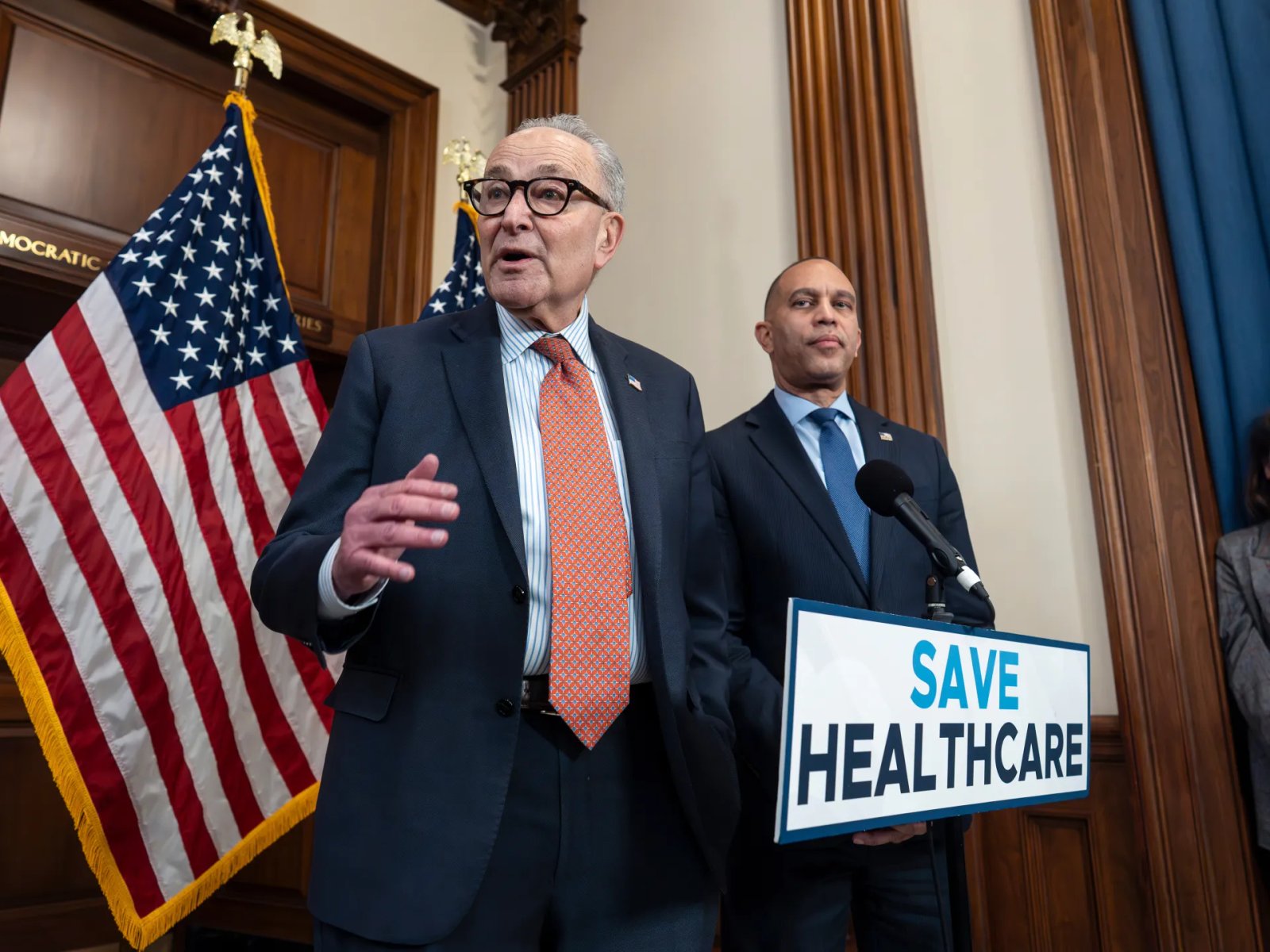
Federal Healthcare Subsidy in Jeopardy
The expanded federal healthcare subsidy established during the pandemic is set to expire on December 31, raising concerns about affordability for millions of Americans. In a surprising turn of events, a group of centrist Republicans joined forces with Democrats to advocate for an extension of the Affordable Care Act subsidies, commonly known as “Obamacare.” This article delves into the recent developments surrounding this crucial issue.
A Split Among Republicans
On Wednesday, the House of Representatives witnessed a significant division as four centrist Republicans made a bold move against their party’s leadership. They opted to support a Democratic initiative aimed at extending the healthcare subsidies tied to the Affordable Care Act. This initiative saw a heated vote of 204 to 203, effectively halting the Democrats’ last-minute push for a quick resolution to extend these subsidies for an additional three years.
Democratic lawmakers expressed their frustration, with Representative Jim McGovern of Massachusetts vocally condemning the Republican leadership for prematurely ending the vote while many members were still attempting to cast their ballots. “That’s outrageous,” he stated, firmly criticizing the decision.
Impact on Millions of Americans
Without action from Congress, approximately 24 million individuals relying on the ACA could face significantly increased insurance costs starting January 1. Notably, 26 House members had yet to vote at the time the Republican leadership closed the voting period, a move that, although rare, is within the purview of the House leadership.
Another prominent Democrat, Representative Rosa DeLauro from Connecticut, highlighted the gravity of the situation, accusing the Republicans of playing political games at the expense of people’s lives. “They jettisoned it,” she remarked, emphasizing the stakes involved.
Ongoing Congressional Tensions
This skirmish over healthcare subsidies is a reflection of broader discord in Congress. As the expiration date approaches, the spotlight remains on House Speaker Mike Johnson, who normally decides which bills come to a vote. Recently, however, a series of discharge petitions have allowed a majority of representatives to bypass this control and force discussions on critical issues.
In reaction to the impending deadline, Democrats initiated a discharge petition to prompt action on the healthcare subsidies for the new year, gathering support from centrist Republicans, including Mike Lawler from New York and Pennsylvania’s Brian Fitzpatrick, Robert Bresnahan, and Ryan MacKenzie.
Competing Proposals
The Democrats’ proposal seeks a three-year extension of the ACA subsidies, while Republicans are backing their own plan, known as the Lower Health Care Premiums for All Americans Act. This bill aims to lower certain insurance premiums but has drawn criticism for potentially raising others and reducing overall healthcare subsidies. According to the nonpartisan Congressional Budget Office (CBO), this legislation could lead to an average decrease of 100,000 insured individuals per year through 2035, alongside a projected reduction of federal deficits by $35.6 billion.
The Road Ahead
With the Republican majority holding just 220 seats in the 435-member House, the upcoming 2026 midterms stir hopes for a shift in control among Democrats. The division among lawmakers significantly underscores the criticality of affordability as a central issue in forthcoming elections. Even if the Republicans manage to pass a healthcare bill this week, it is unlikely to progress in the Senate before Congress enters its end-of-year recess, pausing legislative actions until January 5.
As millions of Americans anticipate steep premium increases, Wednesday’s debate in the House may inspire renewed discussions in January. Senator Lisa Murkowski, a moderate Republican, expressed optimism, stating that the recent tension could prompt a much-needed response from the Senate in the new year.
Looking Back
Earlier this year, the ACA subsidies were a major point of contention amid a historic 43-day government shutdown. Democrats had aimed to extend the subsidies while negotiating government spending, but Republican leaders insisted on resolving budget issues first.
Conclusion
The battle over the federal healthcare subsidies highlights the tensions brewing in Congress as the end of the year approaches. The interplay between party leadership, centrist voices, and the urgency surrounding health insurance affordability makes this a critical issue as millions prepare for potential changes in their healthcare costs.
- The expiration of federal healthcare subsidies is set for December 31.
- A group of centrist Republicans sided with Democrats to seek an extension of ACA subsidies.
- The competing Republican proposal may lead to reduced insurance premiums but at a potential cost of increased overall expenses.
- This discussion underscores the increasing focus on healthcare affordability ahead of the 2026 midterms.