

Reviving New Zealand’s Ruapehu Region: A Community’s Struggle and Resilience
In the heart of New Zealand lies the Ruapehu region, where two major attractions—its majestic mountains and thriving mills—have historically drawn residents and visitors alike. However, with recent economic shifts, this once-vibrant area finds itself grappling with a significant population decline, raising crucial concerns about rural sustainability and community connection.
The Pull of Mountains and Mills
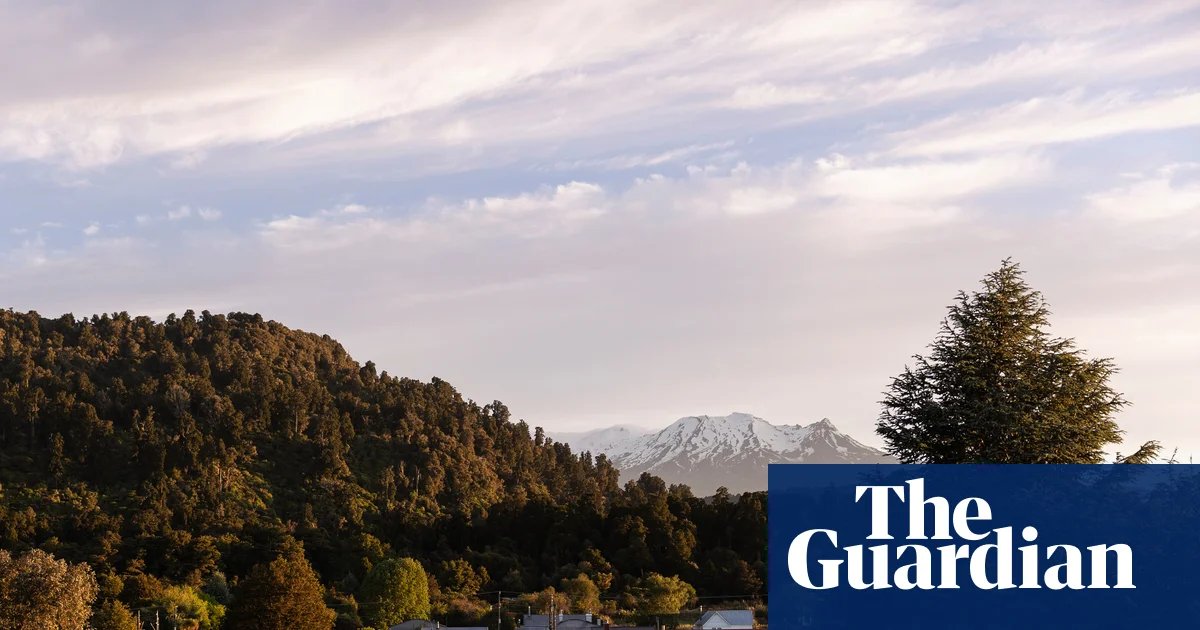
Mount Ruapehu, the country’s largest active volcano, has long been a beacon for adventure seekers and a source of employment. Alongside, local mills, particularly those operated by Winstone Pulp International, formed the backbone of the regional economy, supporting generations of families. Yet, a series of unfortunate events has weakened this dual foundation, leading to a growing exodus of residents chasing better opportunities elsewhere.
The decline of the region became starkly evident due to the impacts of climate change, which disrupted the mountain’s snow cycles, resulting in shorter winter seasons and subsequent layoffs. The closure of the historic Chateau Tongariro hotel in 2023 added another layer of loss, leaving locals feeling the effects of economic deterioration.
However, the most significant blow came in October 2024, when Winstone Pulp announced the shutdown of its mills, citing high energy costs. This decision left over 230 workers, primarily from the towns of Ohakune and Raetihi, in search of new livelihoods. As Janelle Finch, a local business owner, puts it, “The mill closure was a stab to the heart,” indicating the profound impact this shift had on the community.
Community Resilience Amidst Challenges
During a recent visit to Ohakune, vacant storefronts and “for sale” signs adorned once-bustling residential streets, pointing to a troubling future. Across New Zealand, many rural regions share Ruapehu’s struggles, facing mill closures and significant job losses, which have led to a net loss of over 1,000 jobs nationally.
Despite these challenges, many families are determined to remain rooted in their community. Brenda Burnard, a childcare center manager, is torn as she prepares to move two hours away for her husband’s job. “We have a real physical connection to this area,” she shares, acknowledging the emotional weight of leaving a place so embedded in their lives.
Shifting Demographics and Economic Realities
While some regions in New Zealand are beginning to rebound, driven by developments in dairy farming and immigration, the reality for places reliant on just one or two industries is troubling. Shamubeel Eaqub, an economist, notes that the loss of a primary economic driver can have destructive repercussions.
Helen Leahy, chief executive of the local Ngāti Rangi tribe trust, emphasizes that the implications of the mill closures extend beyond job loss; they fracture the community fabric and disconnect residents from their heritage. With nearly half the population identifying as Māori, the displacement felt by many Indigenous workers adds another layer of urgency to the situation.
The Ngāti Rangi tribe is actively working to support families affected by these changes through upskilling and training initiatives as part of a broader vision to revitalize the region. As Leahy puts it, “We don’t want to contribute to the exodus of young people leaving the country; we want to respond to the needs right in front of us.”
The Impact of Migration and Economic Shifts
Recent statistics paint a grim picture: seven out of 16 regions in New Zealand experienced more people leaving than arriving in the year leading to June 2025. Declining populations, exacerbated by a sluggish economy and high costs of living, are drawing numerous residents to seek opportunities abroad, particularly in Australia.
This migration trend is fueled by the promise of higher average incomes and greater job opportunities across the Tasman Sea. Economic expert Eaqub explains the allure: “Australia is richer, has a deeper labor market, and offers more career opportunities—why wouldn’t you go?”
The Path Forward
Local leaders, including Ruapehu’s mayor, Weston Kirton, have expressed frustration over the government’s inaction regarding rising energy costs that have driven many mills to close. “Our people want to live in the region and not anywhere else,” he insists, underscoring the need for investment in infrastructure and community services that foster growth and stability.
Despite the challenges, residents like Austin Hobson, who operates a local brewery, highlight the strong sense of community that binds them together. “It’s been tough,” he reflects, “but we’ve all survived things together and we’re still here because we support each other.”
Conclusion
As Ruapehu navigates the complexities of economic transformation and community resilience, the story exemplifies broader rural challenges facing New Zealand. The determination of its residents to preserve their heritage and forge a sustainable future exemplifies the enduring spirit of this vibrant region.
- The Ruapehu region faces significant population decline due to economic challenges.
- Key industries, particularly Winstone Pulp, have closed, leading to job losses and community disruption.
- Local tribes and residents are actively seeking solutions to retain their population and boost the economy.
- Despite hardships, a strong community spirit persists as residents work together to navigate these changes.