

Calls for Improved Pay and Job Availability for Doctors in England
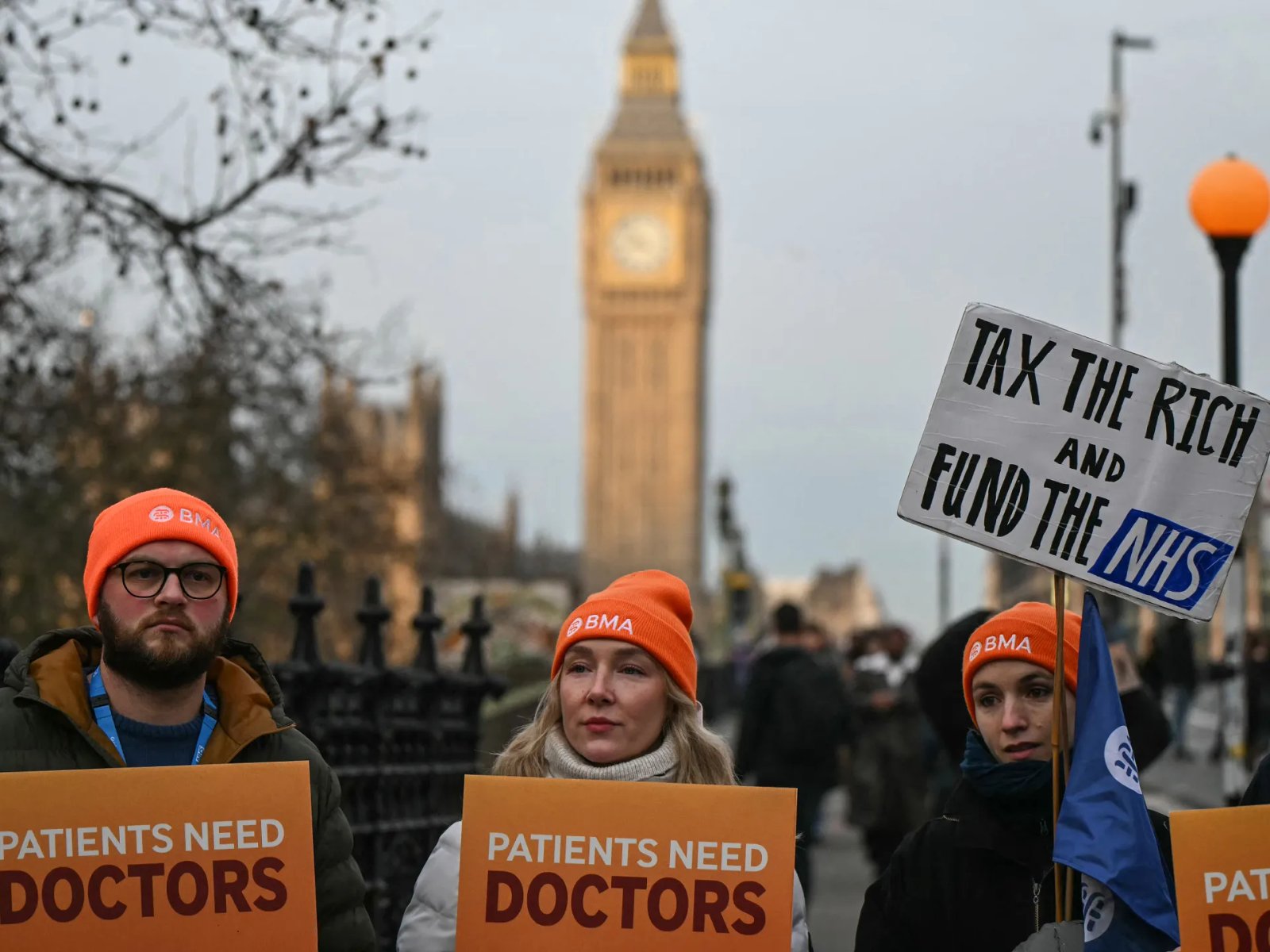
The ongoing dispute over pay and working conditions has led resident doctors in England to initiate a five-day strike. With pressures mounting within the National Health Service (NHS), the British Medical Association (BMA) is advocating for better compensation and a greater number of available positions for qualified doctors.
The Strike Unfolds
Starting at 07:00 GMT on Wednesday, the strike, organized by the BMA, marks a significant step in a prolonged conflict regarding pay structures and working conditions for resident doctors. This industrial action is set to continue until 07:00 GMT on Monday.
Government Response
During a session of Prime Minister’s Questions, Prime Minister Keir Starmer addressed the ongoing strike, characterizing it as “dangerous and utterly irresponsible.” He advised the striking doctors not to abandon their patients and encouraged them to collaborate with the government to enhance conditions and improve the NHS.
Starmer also placed blame on the previous Conservative administration for leaving the NHS in a perilous state. It’s important to note that resident doctors, who make up nearly half of England’s medical workforce, were previously known as junior doctors.
Reasons Behind the Strike
The decision to strike followed an online vote where approximately 30,000 BMA members opted to reject the government’s latest offer. According to Jack Fletcher, a representative from the BMA, this dispute focuses on two primary concerns: inadequate pay and a growing lack of employment opportunities for qualified doctors.
Job Crisis and Pay Concerns
Fletcher stated, “There is a jobs crisis, where doctors are trained but unable to secure roles, and there is a pay crisis.” Standing on a picket line outside St Thomas’ Hospital in London, he emphasized the necessity of valuing medical professionals. He noted a troubling trend, where more doctors have exited the profession in the last year than at any time in the past decade.
NHS Under Pressure
The strike occurs during a time of mounting strain on the NHS, with flu-related hospitalizations surging over 50% in early December. Health authorities throughout Europe have also reported an unusually early and severe flu season, exacerbating the challenges faced by healthcare systems.
NHS England has announced that there will be fewer doctors available during the strike, with professionals expected to focus on life-saving procedures during this critical period.
Demands for Long-Term Solutions
The BMA is not only advocating for immediate pay improvements but is also pushing for a comprehensive long-term strategy to address the issues surrounding salary levels. After experiencing years of below-inflation pay increases, the union has called for the establishment of new training posts that allow doctors the opportunity to specialize, rather than merely recycling existing positions.
Current Government Stance
The government’s recent offer did not include new pay terms, and shortly after assuming office, Health Secretary Wes Streeting presented a deal proposing a 22% pay rise—substantially lower than the 29% demanded by the BMA. Furthermore, doctors are advocating for the full restoration of their salaries to match the levels of 2008 and 2009 in real terms, following years of inflation-adjusted erosion.
Conclusion
The strike by resident doctors highlights significant issues facing the NHS, including urgent calls for better pay and more job opportunities for trained professionals. As pressures on the healthcare system continue to grow, the outcome of this dispute will be crucial for the future of medical services in England.
- Resident doctors in England are on a five-day strike over pay and job availability.
- Prime Minister Keir Starmer has criticized the strike, urging doctors to prioritize patient care.
- The BMA highlights a crisis in both pay and job opportunities for qualified medical professionals.
- Calls for a long-term plan to address pay and training positions have intensified amid rising healthcare pressures.