

Endangered Galaxy Frogs Disappear After Damage from Photographers
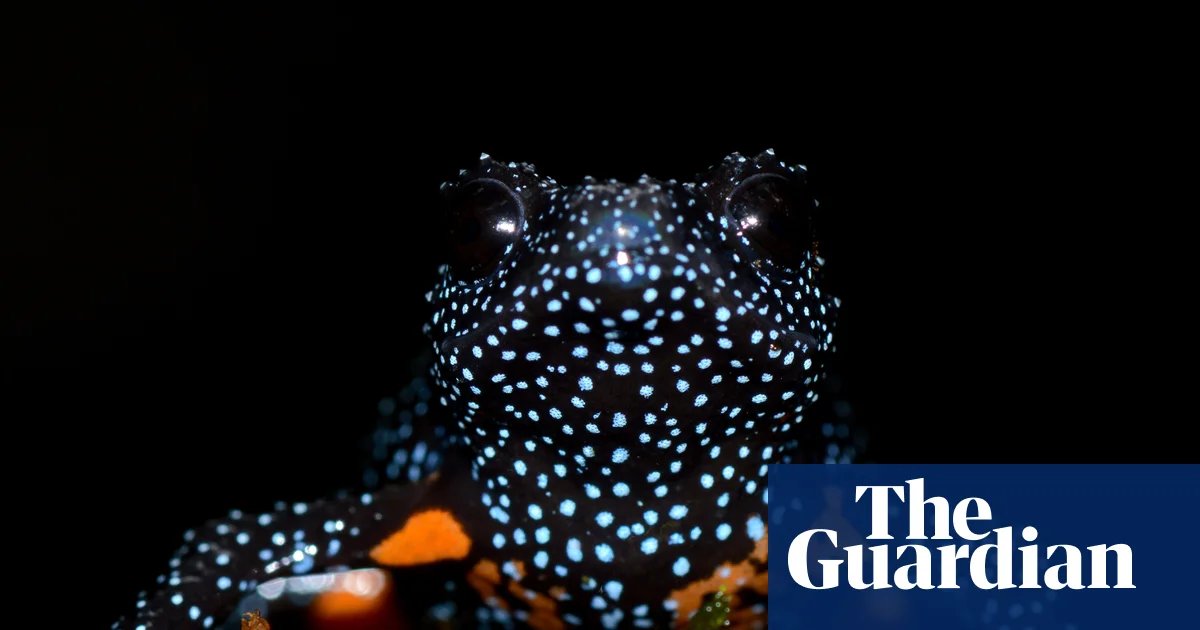
A group of endangered galaxy frogs, known scientifically as Melanobatrachus indicus, is missing and presumed dead, reportedly due to the actions of trespassing photographers who disrupted their fragile microhabitats in pursuit of that perfect shot.
The Unique Habitat of the Galaxy Frog
These tiny amphibians, each no larger than a fingertip, are the sole representatives of their family and thrive in the lush rainforests of Kerala, India. The stunning spots on their bodies are not indicators of toxicity, as some may think, but serve as a means of communication, according to Rajkumar K P, a fellow at the Zoological Society of London.
In early 2020, Rajkumar discovered seven individuals of this remarkable species in the Western Ghats rainforest but was unable to return during the pandemic. Upon his return, he found that the frogs had vanished, as reported by the ZSL.
The Aftermath of Disruption
Rajkumar observed that the once intact fallen logs, which provided homes for the frogs, were now broken and displaced. The surrounding vegetation was trampled, and the frogs had disappeared from their habitat.
Initially, Rajkumar suspected brown mongooses to be the culprits behind the destruction, only to realize that they lacked the strength to overturn such logs. Inquiring further, he learned from his trackers that several photographers had been frequenting the area.
These nature photographers had reportedly been turning over logs in their quest to find the endangered species. Upon discovering the frogs, they would capture and reposition them for ideal photographs, often without wearing gloves, despite the frogs’ delicate skin which absorbs moisture and air. Sadly, reports indicated that at least two frogs died after being mishandled during a photoshoot.
The Ongoing Search for the Galaxy Frog
After multiple searches over the following months, Rajkumar remained frustrated and disheartened by the lack of any remaining galaxy frogs. He expressed feelings of helplessness in the wake of such damage.
Despite the efforts of forest department officials to restrict access to these vulnerable areas, some photographers leveraged connections with higher authorities to gain entry for picture-taking expeditions.
“I fell in love with these frogs after seeing them,” Rajkumar reflected. “They appear jet black at first, but under proper lighting, their bodies display a stunning array of stars, resembling galaxies. It’s truly magical.”
A Call for Ethical Practices
Dr. Benjamin Tapley, ZSL’s curator of reptiles and amphibians, emphasized the importance of protecting species like the galaxy frog, which represents an ancient and irreplaceable lineage in the tree of life. He expressed concern every time he sees photographs of the galaxy frogs online and wonders about the impact on their habitat.
“We’re really hopeful that we can encourage people to act more ethically so that incredible species like the galaxy frog can continue to thrive for millions more years,” he urged.
- The endangered galaxy frogs are missing, likely due to habitat disruption by photographers.
- These frogs communicate through their distinctive spots and rely on fragile microhabitats.
- Photographers mishandled the frogs during photoshoots, leading to fatalities.
- Conservationists are advocating for greater ethical practices to protect vulnerable species.