

Proposed Changes to the EU’s 2035 Law on Internal Combustion Engine Cars
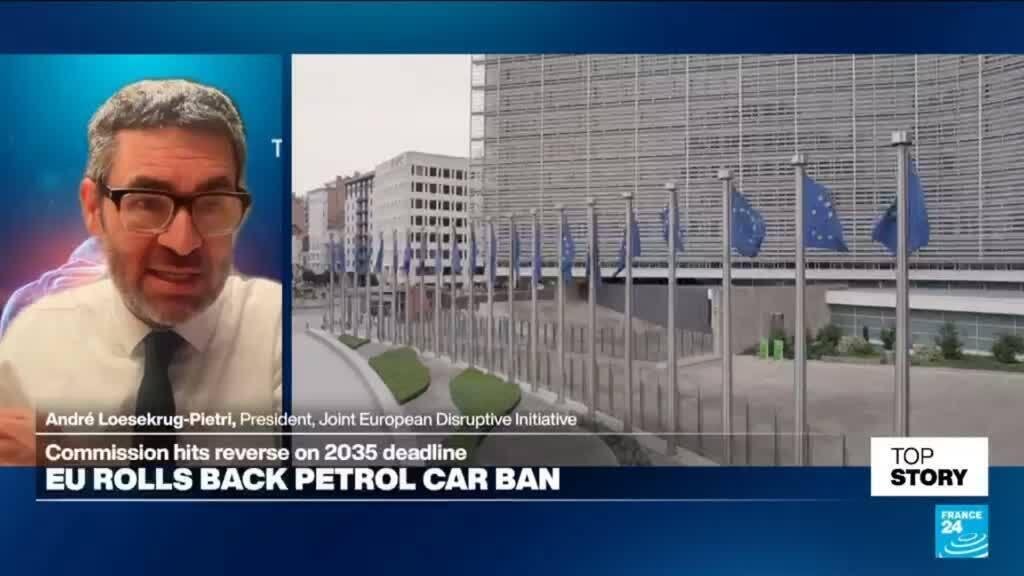
The European Union is revisiting its 2023 legislation that aimed to prohibit the sale of new internal combustion engine vehicles starting in 2035. The revised proposal reduces the carbon dioxide emissions target from 100% to a 90% reduction from 2021 levels. This shift means that manufacturers could continue producing a limited number of petrol and hybrid vehicles. As the push for electric vehicles (EVs) faces challenges due to sluggish market growth, pressure from the automotive sector and some member states has intensified to ease these regulations. André Loesekrug-Petri, President of the Joint European Disruptive Initiative, sheds light on this development.
Understanding the Proposed Changes
The primary modification in the EU’s approach allows for a more gradual transition away from traditional vehicles. By adjusting the emissions reduction target to 90%, the new policy potentially opens the door for manufacturers to produce a limited range of petrol and hybrid cars. This change aims to accommodate the current pace of market growth for electric vehicles, responding to concerns from both the automotive industry and several EU member countries.
The Implications for Car Manufacturers
For car manufacturers, this revised legislation offers a reprieve from the stringent 2035 deadline. With the emphasis now on a 90% reduction in emissions, companies can strategically plan for a mixed approach that includes a few internal combustion engine models in their line-ups. This flexibility can be crucial for manufacturers as they adjust their production strategies and customer offerings in response to market demands.
The Role of the Auto Industry
The auto industry has been vocal in its advocacy for more lenient regulations. As the market for electric vehicles continues to develop, some stakeholders argue that allowing a minor percentage of traditional petrol and hybrid cars could be beneficial for both manufacturers and consumers, especially in regions where EV infrastructure is still being established.
Insights from Industry Leaders
André Loesekrug-Petri, a prominent figure in European innovation initiatives, has expressed his views on these proposed changes. He emphasizes the need for balance between sustainability goals and the practical realities of the market, suggesting that a measured transition can lead to long-term success in reducing emissions while satisfying consumer needs.
Conclusion
The European Union’s proposed amendments to the 2035 law signify a strategic pivot towards more achievable emissions targets for the auto industry. By allowing a percentage of petrol and hybrid vehicles, the EU acknowledges the ongoing challenges in the EV market while still aiming for significant reductions in carbon emissions.
- The EU is considering reducing its 2035 emissions target for car sales from 100% to 90%.
- This change allows for limited production of petrol and hybrid vehicles.
- The automotive industry, facing slow EV market growth, has lobbied for these relaxed rules.
- André Loesekrug-Petri stresses the importance of balancing sustainability with market readiness.