

Recent Developments in the Conflict Between Ukraine and Russia
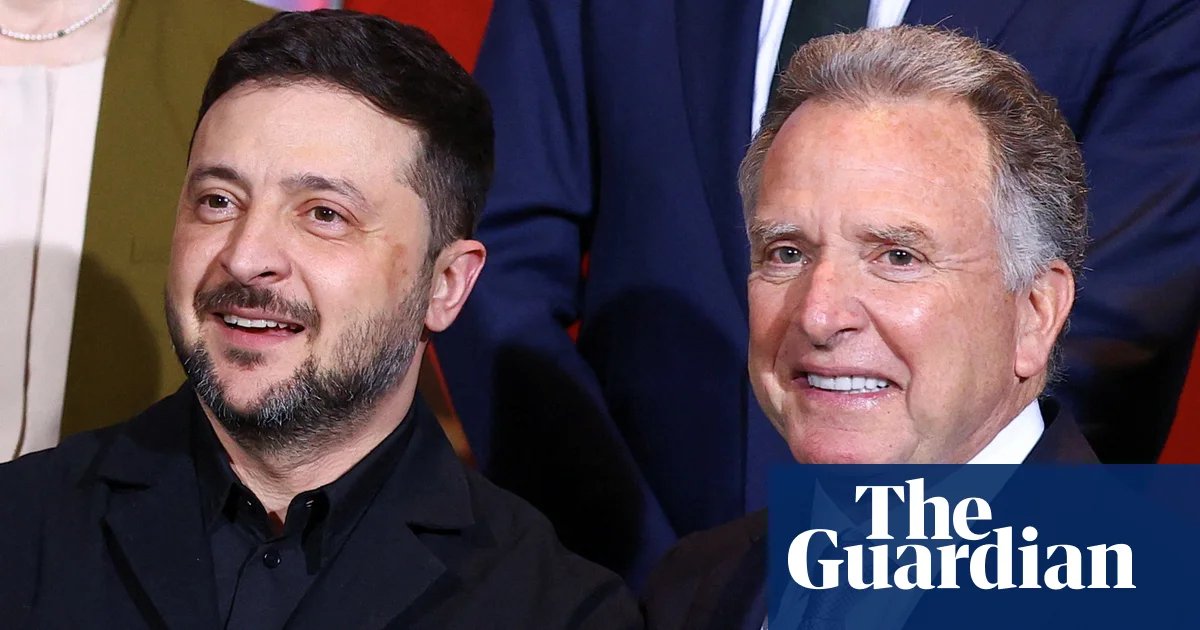
As negotiations to end Russia’s war in Ukraine progress, the United States has extended offers of NATO-style security guarantees to Kyiv. While discussions show promise, consensus on territorial concessions remains out of reach. Negotiators from the Trump administration made this significant offer during meetings with Ukrainian President Volodymyr Zelenskyy in Berlin. U.S. officials warned that the opportunity for a deal may not last indefinitely, emphasizing that the outcome of these discussions could shape the security landscape of Europe for generations to come.
Ukrainian Demands and Responses
Following the talks, Zelenskyy indicated that if Moscow dismisses the proposals on the table, he will urge the U.S. to impose sanctions on Russia and supply Ukraine with additional weaponry, including long-range systems. “I believe America will exert sanctions pressure and increase our arms supply if Putin negates everything,” Zelenskyy explained to reporters. He also expressed support for a ceasefire, particularly concerning attacks on energy infrastructure, during the Christmas season.
Optimism Amidst Ongoing Tensions
Trump addressed reporters from the White House, expressing cautious optimism about the negotiations: “We’re making every effort to seal this deal. We have had multiple discussions with President Putin, and I believe we are closer than we’ve ever been.” He remains hopeful about achieving a resolution.
European leaders have welcomed this renewed sense of optimism, yet Moscow has not shown any willingness to accept the proposals discussed in Germany. German Chancellor Friedrich Merz remarked, “For the first time since the war began, the idea of a ceasefire seems feasible.” Meanwhile, Polish Prime Minister Donald Tusk noted a shift in dynamics, stating, “For the first time, I felt like we were all acting as allies in a shared camp.” He highlighted the American negotiators’ commitment to providing security guarantees for Ukraine, making it clear that any Russian aggression would trigger a military response from the United States.
Challenges Ahead
Swedish Prime Minister Ulf Kristersson acknowledged that while security guarantees are becoming more credible, complex issues remain—particularly concerning territorial rights and Russia’s true intentions for peace.
Cybersecurity Concerns
Amid these high-stakes discussions, Germany’s lower legislative house experienced a significant email outage, which officials suspect may have been a cyberattack intended to disrupt the talks. Parliament members were unable to access their email accounts for over four hours, indicating potential vulnerabilities in cybersecurity.
A Milestone in Naval Warfare
Ukrainian underwater drones achieved a notable success by targeting a Russian Kilo-class attack submarine at Novorossiysk—a key naval base for Russia in the Black Sea. This marked a first for Ukraine, demonstrating their capability to inflict serious harm on Russian assets. A spokesperson from the Ukrainian Navy described the operation as a “turning point” in the ongoing maritime conflict.
Statements from Intelligence Officials
In her inaugural public address, the head of Britain’s MI6, Blaise Metreweli, stated that Putin is delaying negotiations to end the conflict, employing strategies that skirt the edge of war. She expressed concern that Moscow continues to seek control over Ukraine while testing NATO’s resolve.
Financial Repercussions and International Aid
In the realm of finance, Russia’s central bank has announced claims for $230 billion in damages from Euroclear. The Kremlin’s warning against utilizing frozen Russian assets to bolster Ukraine’s defense illustrates the tensions surrounding economic sanctions. Meanwhile, EU leaders are set to decide whether to allocate €210 billion in frozen Russian assets to help fund Ukraine’s defense and support its economy.
Gathering for Compensation Aims
Zelenskyy, along with European leaders, will convene in The Hague to initiate an international claims commission. This commission aims to secure compensation for the extensive damages inflicted upon Ukraine by Russian military actions and alleged war crimes. The one-day conference, co-hosted by the Netherlands and the Council of Europe, is expected to draw in a host of senior officials, including the EU’s chief foreign policy representative, Kaja Kallas.
Continued Sanctions Against Russia
On Monday, the EU enacted new sanctions against Russian oil interests, targeting traders such as Murtaza Lakhani and Etibar Eyyub, for facilitating Russia’s evasion of Western sanctions. Despite 19 rounds of sanctions, Russia has adapted, managing to sell oil at a discount to countries such as India and China.
Conclusion
The ongoing conflict in Ukraine raises significant geopolitical questions as negotiations progress. While there is cautious optimism surrounding security guarantees and potential agreements, many complex issues remain to be resolved for a lasting peace.
- The U.S. has offered NATO-style security guarantees to Ukraine amid ongoing negotiations.
- President Zelenskyy is advocating for sanctions against Russia and increased arms support from the U.S.
- A cyber-attack may have targeted the German parliament during critical talks.
- The EU is grappling with sanctions against Russia while discussing financial compensation for Ukraine.